 Save
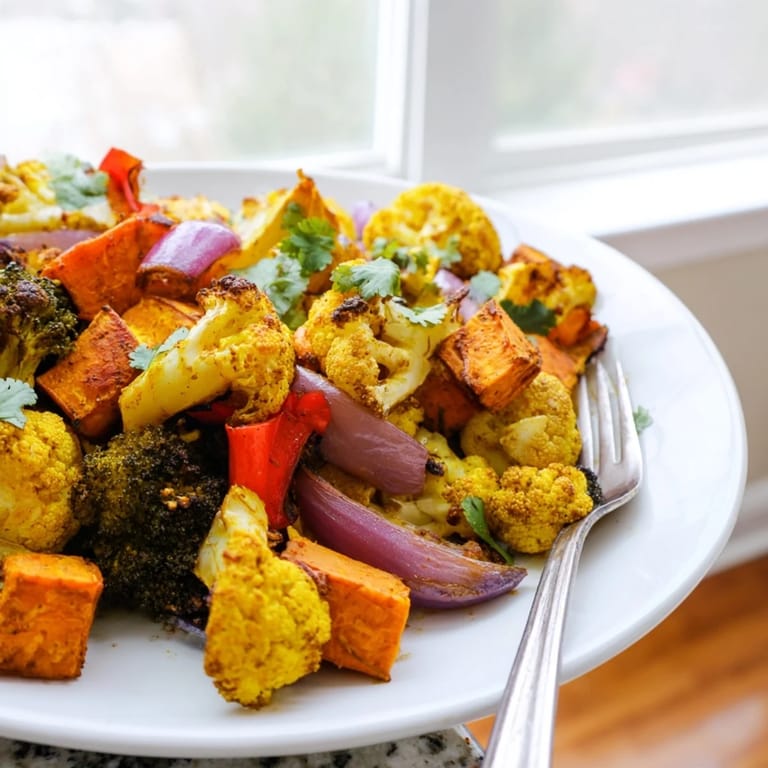
Save The first time I made these turmeric roasted vegetables was during one of those gray, wintry weeks when everything felt slightly heavy and my body was practically begging for something vibrant and nourishing. I had a mountain of farmers market vegetables that needed using, and somewhere between the sweet potatoes and that golden turmeric dusting, I realized this wasn't just dinner prep, it was self-care. Now whenever I chop cauliflower florets and smell cumin hitting hot olive oil, I'm reminded how food can be both medicine and comfort simultaneously.
Last month my sister came over feeling completely drained, and I made a massive sheet pan of these vegetables while we caught up at the kitchen island. She kept stealing pieces straight from the pan, burned fingertips be damned, and told me she'd never eaten vegetables that made her feel this good from the inside out. That's the thing about this recipe, it somehow manages to be both deeply healing and utterly crave-worthy, the kind of food people instinctively reach for without needing to know it's packed with anti-inflammatory goodness.
Ingredients
- 2 cups cauliflower florets: These develop the most gorgeous crispy edges and hold onto the spice blend beautifully
- 2 cups broccoli florets: Choose tight, bright green heads with no yellowing for the sweetest flavor
- 1 large sweet potato, peeled and cubed: The natural sweetness balances the earthy spices perfectly
- 2 medium carrots, sliced: Cut them into similar sizes as other vegetables for even roasting
- 1 red bell pepper, cut into chunks: Adds a lovely sweetness and pop of color against the golden turmeric
- 1 small red onion, cut into wedges: Red onions caramelize beautifully and add depth
- 2 tbsp extra-virgin olive oil: Don't skimp here, the oil helps your body absorb turmeric's benefits
- 1 ½ tsp ground turmeric: The star player, giving those gorgeous golden hues and anti-inflammatory power
- 1 tsp ground cumin: Adds earthy warmth that pairs so naturally with turmeric
- ½ tsp ground coriander: Bright citrusy notes that lift the heavier spices
- ½ tsp smoked paprika: Brings subtle smokiness without any heat
- ¼ tsp ground black pepper: Essential for activating turmeric's compounds
- ¾ tsp sea salt: Enhances all the flavors and helps draw out vegetable sweetness
- 1 tbsp lemon juice: The acid brightens everything and cuts through the richness
- 2 tbsp chopped fresh cilantro or parsley: Fresh herbs at the end make everything sing
Tired of Takeout? 🥡
Get 10 meals you can make faster than delivery arrives. Seriously.
One email. No spam. Unsubscribe anytime.
Instructions
- Get your oven ready:
- Preheat to 425°F and line a large baking sheet with parchment, this high heat creates the best caramelization while the parchment prevents sticking and makes cleanup effortless.
- Prep your vegetables:
- Combine cauliflower, broccoli, sweet potato, carrots, bell pepper, and onion in a large mixing bowl, cutting everything into similarly sized pieces so they roast at the same rate.
- Mix your spice blend:
- In a small bowl, whisk together olive oil, turmeric, cumin, coriander, smoked paprika, black pepper, and salt until you have a fragrant golden paste.
- Coat everything thoroughly:
- Pour the spice mixture over the vegetables and toss with your hands, really getting into the corners to coat every single piece evenly.
- Arrange for maximum caramelization:
- Spread vegetables in a single layer on your prepared baking sheet, giving them space to roast rather than steam.
- Roast to golden perfection:
- Cook for 25 to 30 minutes, stirring halfway through, until vegetables are tender with deliciously crisped and golden edges.
- Add the finishing touches:
- Remove from the oven, drizzle immediately with lemon juice, and sprinkle with fresh herbs if you have them.
 Save
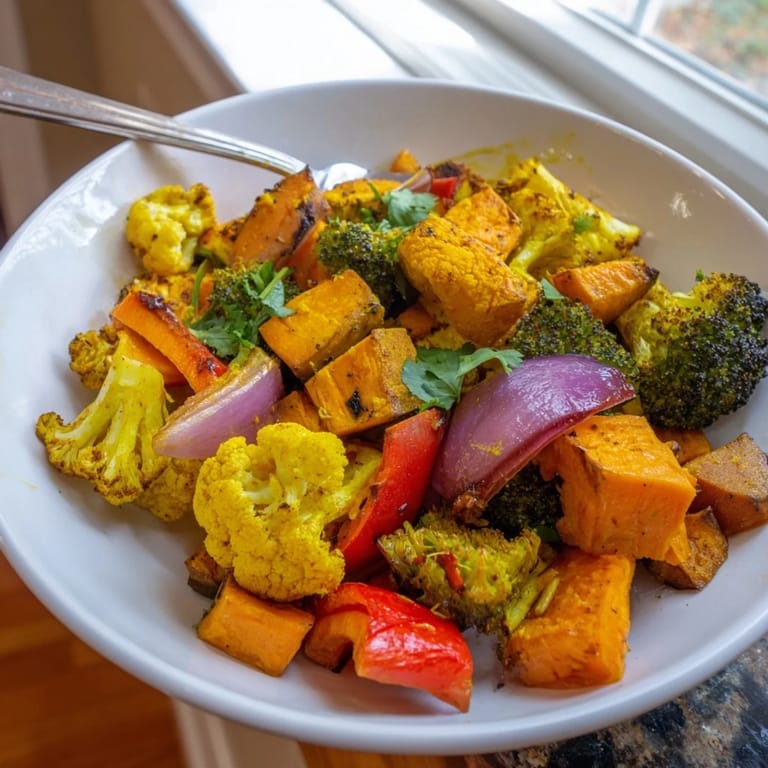
Save This recipe has become my go-to when friends are recovering from illness or just feeling run down, something about it feels like edible sunshine. I've started making double batches and keeping them in the refrigerator because they're just as good cold, thrown into grain bowls or eaten straight from the container during afternoon energy slumps.
Vegetable Swaps That Work
The beauty of this recipe is its flexibility, I've used everything from Brussels sprouts to zucchini depending on what's in season. Root vegetables like parsnips and butternut squash take longer to roast, so either cut them smaller or add them to the sheet pan 10 minutes before the other vegetables.
Making It A Complete Meal
While these vegetables are perfect as a side dish, I often serve them over quinoa or brown rice for a satisfying main course. The combination creates all nine essential amino acids, and the grains soak up all those flavorful roasting juices beautifully.
Storage And Meal Prep
These vegetables keep remarkably well in the refrigerator for up to five days, actually developing deeper flavors as they sit. I'll often roast a big batch on Sunday and use them throughout the week in various ways.
- Reheat at 350°F for 10 minutes to recrisp the edges
- Add a dollop of plain yogurt for extra creaminess and protein
- Squeeze fresh lime right before serving for bright flavor
 Save
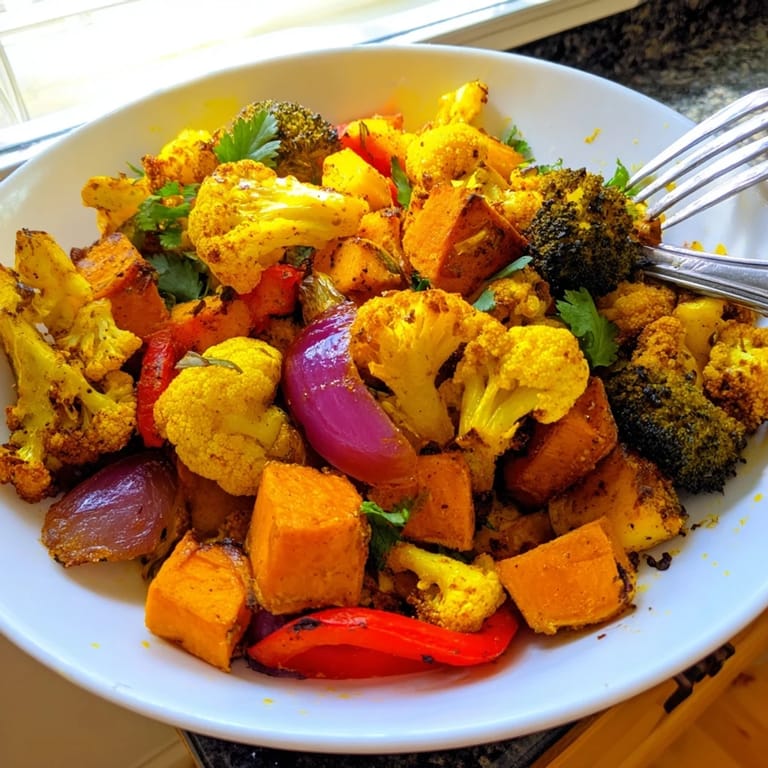
Save There's something deeply nourishing about eating food that's both beautiful and good for you, without sacrificing an ounce of flavor. These vegetables have become proof that self-care doesn't have to be complicated, sometimes it's just a sheet pan away.
Common Questions
- → What vegetables work best for roasting with turmeric?
Hardy vegetables like cauliflower, broccoli, sweet potatoes, carrots, and bell peppers hold up beautifully during roasting. They absorb the spices while maintaining their texture. Brussels sprouts, butternut squash, and zucchini also work well as seasonal substitutions.
- → How do I prevent the turmeric from staining?
Turmeric can stain surfaces and hands. Work on a cutting board you don't mind discoloring slightly, and consider wearing gloves when tossing vegetables. The vibrant golden color is part of this dish's appeal, so some staining is expected.
- → Can I prepare these vegetables ahead of time?
Yes, you can chop and coat the vegetables up to 24 hours in advance. Store them in an airtight container in the refrigerator. Roast just before serving for the best texture and flavor. They also reheat well for meal prep.
- → Why add black pepper to turmeric roasted vegetables?
Black pepper enhances curcumin absorption from turmeric, maximizing its natural benefits. The pepper also adds subtle heat that complements the warming spices without overwhelming the vegetables' natural flavors.
- → What temperature should I roast vegetables at?
425°F (220°C) creates perfectly roasted vegetables with tender interiors and lightly crisped edges. This high heat encourages caramelization while keeping cooking time reasonable. Stir halfway through for even browning.
- → How do I know when the vegetables are done?
Vegetables should be golden brown with caramelized edges and fork-tender. The sweet potatoes and carrots will take longest to soften, while cauliflower and broccoli may crisp more quickly. Trust your senses for doneness.