 Save
Save Lavender always reminds me of quiet Sunday afternoons—the gentle scent filling my kitchen as sunbeams dance across the counter. The first time I made this Lemon Lavender Loaf Cake, I hadn’t planned for anything special; the lavender was leftover from a neighbor’s garden swap, and lemons were abundant on my windowsill. As soon as the batter came together, its perfume caught me off guard—bright and floral, a little bit like stepping outside after rain. The best part was realizing just how serene the process felt, and how even a simple loaf cake could make the day pause around it. This is one of those recipes I reach for when I want something a bit enchanting without too much fuss.
I remember baking this for a midweek book club—a gathering of friends who usually didn’t expect dessert, let alone one as aromatic as this. The scent drew everyone in before anyone noticed the book stack, and slices of cake started disappearing faster than new chapters were discussed. A friend who claimed she wasn’t keen on floral flavors ended up taking the last piece home with a sheepish grin. The memory still makes me smile whenever I zest a lemon. It reminded me how food can soften a room and spark new stories beyond the table.
Ingredients
- All-purpose flour: Gives the loaf structure and a tender crumb—sifting helps keep it light.
- Baking powder + baking soda: These leaveners work together to ensure a good rise and even texture; don’t skip one for the other.
- Salt: A tiny pinch sharpens the citrus and balances the sweetness beautifully.
- Culinary dried lavender buds: Only use the edible kind; a little goes a long way, so measure with care for just the right floral note.
- Zest of 2 lemons: The zest infuses the whole loaf with bright, invigorating citrus—be gentle so as not to grab the bitter white pith.
- Unsalted butter: Creamy room-temperature butter gives unbeatable richness and a delicate crumb.
- Granulated sugar: Essential for sweetness and helps the loaf to brown just right in the oven.
- Large eggs: Letting them come to room temperature creates an extra-smooth batter and even baking.
- Greek yogurt or sour cream: Adds moisture and a subtle tang that lifts all the flavors.
- Whole milk: Keeps things tender and blends the ingredients together smoothly.
- Fresh lemon juice: Balances the floral notes and lifts the flavor profile; nothing beats the brightness of fresh-squeezed.
- Pure vanilla extract: The rounding note that brings all the flavors together with warmth.
- Powdered sugar: Makes the honey glaze silky and smooth for pouring over the loaf.
- Honey: Lends an aromatic sweetness to the glaze for an extra layer of flavor complexity.
Tired of Takeout? 🥡
Get 10 meals you can make faster than delivery arrives. Seriously.
One email. No spam. Unsubscribe anytime.
Instructions
- Prepare your pan:
- Grease a 9x5-inch loaf tin and tuck in a sheet of parchment so the cake lifts easily—think shoes that fit just right.
- Mix the dry ingredients:
- In a medium bowl, whisk together the flour, baking powder, baking soda, salt, dried lavender, and lemon zest. The aroma will jump up at you—enjoy it.
- Cream butter and sugar:
- With an electric mixer, blend the butter and granulated sugar until light and fluffy, about three minutes, stopping to scrape down the sides.
- Incorporate eggs:
- Crack in the eggs one by one, beating well after each to keep the mixture smooth and airy.
- Add wet ingredients:
- Stir in the yogurt, milk, lemon juice, and vanilla; if it looks a bit curdled, that’s just the acid working—keep going.
- Combine wet and dry:
- Add your dry mixture in a few parts, folding gently and stopping as soon as the flour disappears. Overmixing leads to dense cake, so resist the urge to stir more.
- Bake the loaf:
- Pour the batter into your pan, smooth the top, and let the oven work its magic for 45 to 50 minutes. The kitchen will slowly fill with the scent of lemon groves and fresh fields.
- Let it cool:
- After baking, cool the loaf in the pan for ten minutes, then transfer to a wire rack to finish cooling—don’t rush this step; it sets the crumb.
- Whip up the honey glaze:
- Whisk together powdered sugar, honey, and lemon juice until perfectly pourable. Test on the back of a spoon—if it glides, it’s ready.
- Finish and serve:
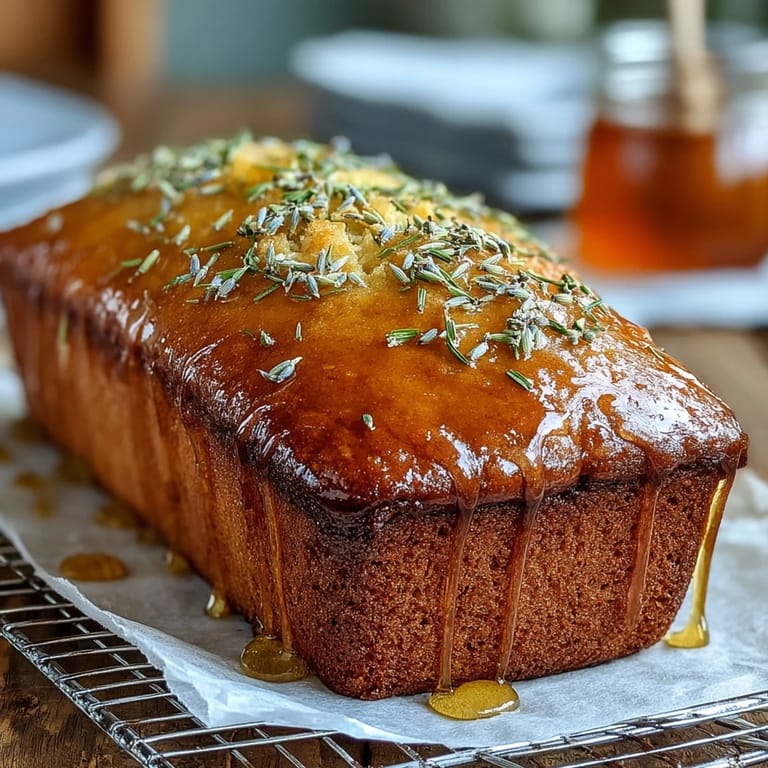
- Drizzle the glaze over the cooled loaf and, if the mood strikes, scatter a pinch more lavender or zest on top for a dreamy finish.
 Save
Save  Save
Save When my niece came over to 'help' one afternoon, she pressed her nose to the cooling loaf and asked if we could have slices with extra glaze. We sat at the kitchen table, our fingers sticky, debating whether lavender counted as a flower or a herb—laughter filled the room and the cake felt as much an occasion as any holiday. Now, every time someone requests this loaf, I think of that giggling, sugar-dusted debate, and it makes the effort doubly sweet.
Making the Most of Your Loaf
If you ever want the flavors to pop, let the sliced cake rest in a covered container overnight. The lemon and lavender mingle and mellow, producing the dreamiest taste by morning, and the glaze sinks in just a touch, making each bite feel extra special. I’ve learned it’s just as delicious on day two, especially beside a hot mug of tea or coffee.
Choosing and Using Lavender
Don’t be tempted by any old lavender—culinary buds are the hero here, and anything else risks bitterness. I tried harvesting from a neighbor’s landscaping once and discovered that only the edible kind gives that delicate, not-soapy aroma. Measure carefully: too much overwhelms, but just a tablespoon merges beautifully with lemon. A light crush with your fingers helps release their oils right before mixing.
Serving and Storing Ideas
This loaf is just as at home on a picnic table as at afternoon tea. Leftovers hold up well, especially if wrapped tightly to keep them moist and smelling fresh until the last slice. For a festive spin, a sprinkle of zest or candied violets makes a pretty finishing touch.
- Always let the loaf cool completely before glazing for best results.
- Wrap slices individually if you want to freeze them for later treats.
- Don’t be shy with the glaze—the more the merrier for a glossy finish.
 Save
Save 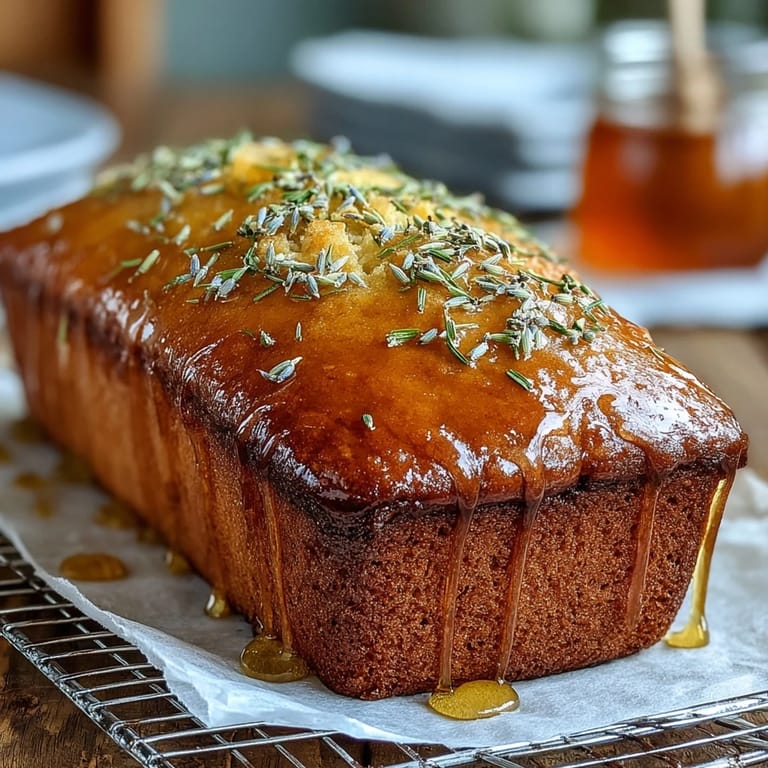 Save
Save However you serve it, this lemon lavender loaf brings comfort and a little delight to any table. Here’s hoping it makes an afternoon in your kitchen a bit more fragrant too.
Common Questions
- → How do I infuse milk with lavender?
Warm the milk gently (do not boil), add 1–2 teaspoons culinary dried lavender per cup, remove from heat and steep 10–15 minutes. Strain through a fine mesh to remove buds and cool before adding to the batter.
- → How can I avoid a bitter lavender taste?
Use culinary (lavandula angustifolia) lavender and measure sparingly—about 1 tablespoon for this loaf. Avoid over-steeping or using lavender oil, and pair with bright lemon zest to balance any edge.
- → Can I substitute yogurt with something else?
Yes. Sour cream or buttermilk work well in equal amounts and will keep the crumb moist and tender. Greek yogurt yields richness; if using thinner buttermilk, reduce added milk slightly.
- → How do I know when the loaf is done?
Insert a toothpick into the center—it's ready when it comes out clean or with a few moist crumbs. The top should be golden and spring back lightly when pressed. If the top browns too fast, tent with foil and continue baking.
- → What’s the best way to store and reheat slices?
Cool completely, then wrap tightly or store in an airtight container. Keep at room temperature up to 2 days or refrigerate 4–5 days. Reheat slices briefly in a low oven (300°F/150°C) or microwave for a few seconds to revive moisture.
- → Can I swap lemon for another citrus?
Yes—orange or clementine zest and juice give a sweeter, milder profile. Adjust the honey in the glaze to taste and consider reducing added sugar slightly if using sweeter citrus.