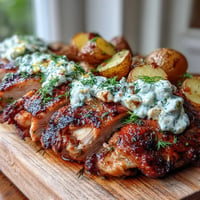
 Save
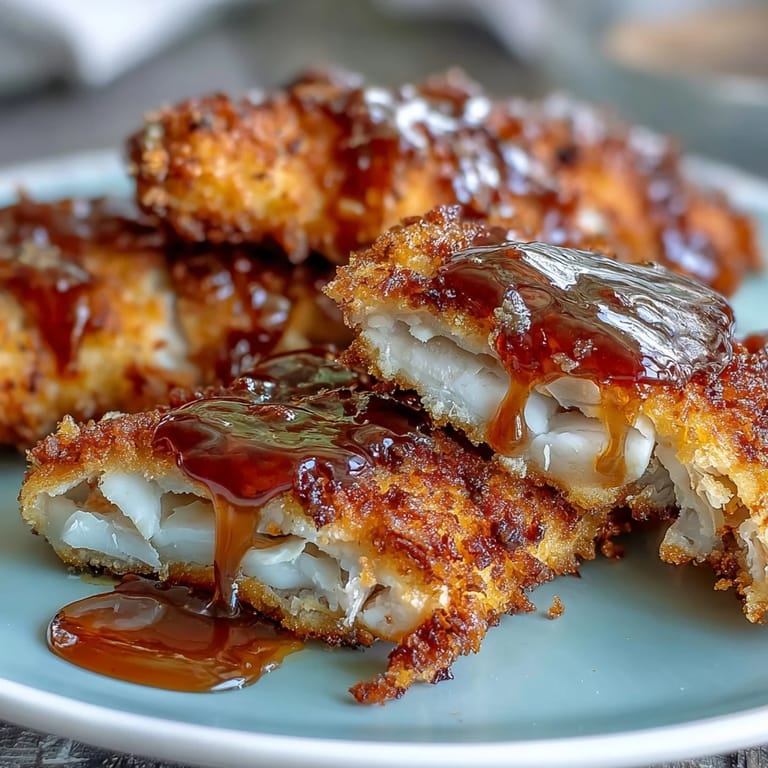
Save My uncle had this way of frying catfish that made the whole kitchen smell like a celebration before anyone even arrived. He'd pull fillets from the buttermilk marinade, coat them in that golden cornmeal mixture, and the sizzle when they hit the hot oil sounded like applause. I watched him do this a hundred times before I realized the magic wasn't just in the technique—it was in how the spices whispered together, how the crispy outside gave way to tender, flaky fish inside. This is the recipe I finally got him to teach me, the one that turns a simple dinner into something that feels like a memory in the making.
I made this for my best friend on a Saturday when she needed comfort food more than she needed conversation. She took one bite of the catfish, dipped it in that sauce, and just closed her eyes for a second. That moment told me everything—this wasn't fancy, but it was honest, and sometimes that's exactly what people need.
Ingredients
- Catfish fillets (4, about 6 oz each): Look for fillets that are roughly the same thickness so they cook evenly; if one side is thicker, gently pound it with your palm to even it out.
- Buttermilk (1 cup): This is your tenderizing secret—the acidity breaks down the proteins and keeps the fish moist even as it fries, so don't skip it or substitute it with regular milk.
- Hot sauce (1 teaspoon for marinade, 2 teaspoons for sauce): Use whatever heat level you like; I've used everything from mild to fiery and each version has its own personality.
- Yellow cornmeal (1 cup): This gives you that authentic Southern crunch that flour alone can never achieve, and it keeps the coating from absorbing too much oil.
- All-purpose flour (1/2 cup): The flour helps bind the cornmeal to the fish and creates a more delicate, less gritty coating.
- Paprika (1 teaspoon for coating): Beyond color, paprika adds a subtle warmth and depth that doesn't overpower the fish itself.
- Garlic powder, onion powder, cayenne pepper (1 teaspoon, 1 teaspoon, and 1/2 teaspoon): These three are the backbone of the flavor profile—they're what makes your catfish taste Southern without tasting spicy if you're careful with the cayenne.
- Salt and black pepper (1 teaspoon and 1/2 teaspoon): Season to your preference; I learned the hard way that under-seasoning the coating means every bite needs rescuing with sauce.
- Vegetable oil: You'll need enough to come about 1 inch up the sides of your skillet—neutral oils like vegetable or canola work best because they won't compete with the spices.
- Mayonnaise (1/2 cup for sauce): This is the creamy base that carries all the other flavors; don't use light mayo or the sauce loses its richness.
- Dijon mustard (2 tablespoons): This adds a sharp, sophisticated edge that keeps the sauce from being one-dimensional.
- Prepared horseradish (1 tablespoon): Just a tablespoon gives you that signature remoulade bite without making it overwhelming.
- Sweet pickle relish (2 teaspoons): The sweetness and tiny bits of texture make this sauce taste less like condiment and more like something with character.
- Fresh lemon juice (1 tablespoon): Squeeze it fresh right before mixing—bottled lemon juice tastes tired by comparison.
- Garlic clove, minced (1 small): One small clove is plenty; minced fresh garlic tastes entirely different from garlic powder, more alive and peppery.
- Smoked paprika (2 teaspoons for sauce): This adds a subtle smokiness that makes people ask what that mysterious flavor is in your sauce.
- Fresh parsley (1 tablespoon, chopped): It's the finishing touch that looks beautiful and adds a bright, herbal whisper to the sauce.
Tired of Takeout? 🥡
Get 10 meals you can make faster than delivery arrives. Seriously.
One email. No spam. Unsubscribe anytime.
Instructions
- Start with the marinade:
- Whisk buttermilk and hot sauce together in a shallow dish, then lay your catfish fillets in there and let them soak for at least 15 minutes—or up to an hour if you have time. This is where the magic starts; the buttermilk is already making the fish tender and seasoning it from the inside.
- Build your coating station:
- In another shallow dish, whisk together the cornmeal, flour, paprika, garlic powder, onion powder, cayenne, salt, and black pepper. I like to pinch some of the mixture between my fingers to make sure everything is evenly distributed with no clumps hiding in the bottom.
- Get your oil ready:
- Pour about an inch of vegetable oil into your deep skillet or Dutch oven and heat it to 350°F (175°C)—this is where a thermometer earns its place in your kitchen. If you don't have a thermometer, flick a tiny bit of water into the oil; if it sizzles sharply and immediately evaporates, you're close to ready.
- Dredge with intention:
- Pull a fillet out of the buttermilk, let excess drip off for a second, then lay it in the cornmeal mixture and press gently on both sides so the coating sticks. Don't be shy here—you want an even, thorough coat that will give you that golden crust everyone's waiting for.
- Fry until golden:
- Working in batches so you don't overcrowd the pan, carefully lay your coated fillets into the hot oil and fry for 3 to 4 minutes per side, until they're deep golden brown and cooked through. You'll know it's done when you gently press the thickest part with a fork and it flakes easily without any translucent bits.
- Drain and rest:
- Transfer each golden fillet to a paper towel-lined plate as soon as it comes out of the oil. Those paper towels will absorb the excess oil, and a minute or two of resting lets the coating set and stay crispy even as it cools.
- Make the remoulade:
- While the catfish is still warm, combine mayonnaise, Dijon mustard, horseradish, hot sauce, pickle relish, lemon juice, minced garlic, smoked paprika, and parsley in a bowl. Taste it, then season with salt and pepper until it sings—this sauce should taste bold enough to complement the fish without hiding its flavor.
- Serve while everything is warm:
- Plate the catfish hot and offer the remoulade on the side so people can dip as much or as little as they like. A small spoon next to the sauce bowl is a nice touch, just enough to be helpful without being fussy.
 Save
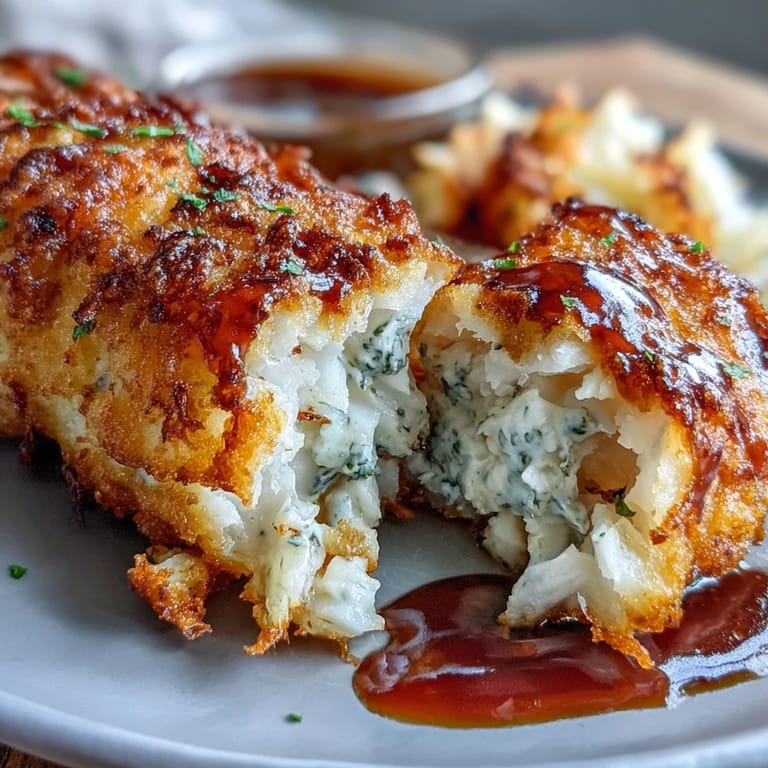
Save There's something about fried catfish that brings people together in a way roasted chicken never quite does. It gives you permission to use your hands, to dip freely, to eat a little messily—and somehow that makes everyone relax at the table.
The Double-Dip Secret
One afternoon while testing this recipe, I ran out of time and figured I'd just do a single dredge like the instructions said. The catfish was delicious, but something felt like it was missing—that satisfying crunch I remembered from my uncle's kitchen. So I went back and tried the double-dip method, returning a marinated fillet to the buttermilk and then coating it again in the cornmeal mixture before frying. The difference was immediate and undeniable: the coating was thicker, crunchier, and stayed crispy longer. Now it's my default, and people always ask why theirs tastes different when they make it at home.
What Makes This Remoulade Different
Regular tartar sauce is mostly mayo and relish, which is fine, but remoulade has personality—it's got mustard's sharpness, horseradish's heat, and smoked paprika's depth all playing together. I spent weeks tweaking the proportions until it felt balanced, where no single flavor dominated and you could taste the lemon brightness at the end of each bite. The fresh parsley isn't just decoration; it adds a green, herbaceous note that makes the sauce feel alive instead of heavy.
Sides That Complete the Picture
Fried catfish with remoulade sauce is excellent on its own, but there's a reason the Southern tradition pairs it with specific sides. Crispy coleslaw cuts through the richness with its vinegary crunch, creamy grits provide a soft contrast, and hush puppies lean into the fried-food celebration. You don't need all three, but pick one and you'll understand why these combinations have lasted generations.
- Coleslaw should be tangy and cold, a crisp counterpoint to the warm, golden fish.
- Grits are especially magical when made with butter and a little sharp cheddar, turning into a creamy bed that catches sauce beautifully.
- Hush puppies are basically cornmeal fritters that fry alongside the catfish, so make them in the same oil for efficiency and flavor cohesion.
 Save
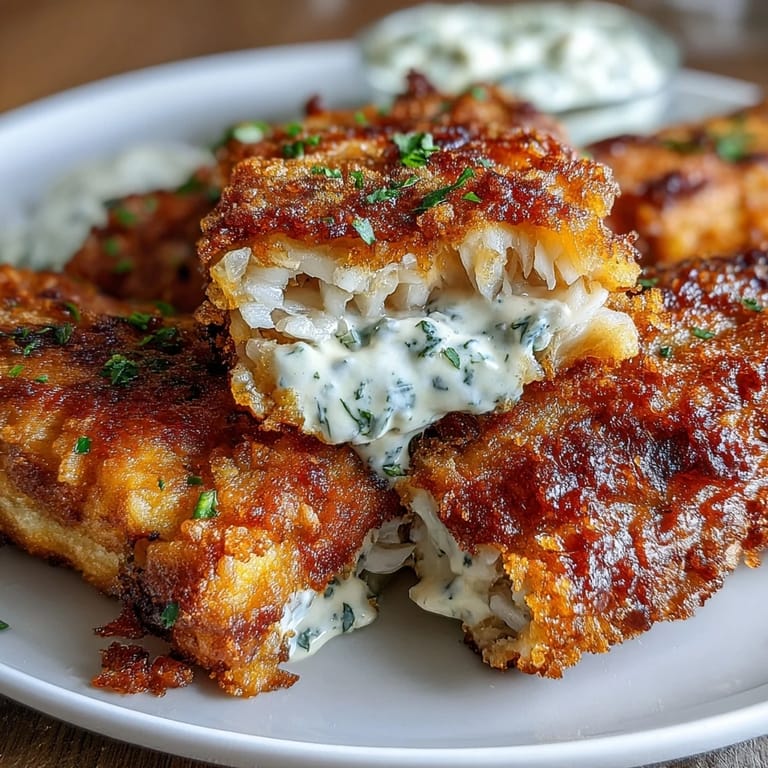
Save This recipe is the kind you'll make again and again, the one that becomes part of your regular rotation because it's reliable and because people light up when you tell them what's for dinner. That's the real magic right there.
Common Questions
- → How should I prepare the catfish before cooking?
Marinate the catfish fillets in a mixture of buttermilk and hot sauce for at least 15 minutes to enhance flavor and tenderness.
- → What is the best way to achieve a crispy coating?
Coat the fillets evenly with a seasoned cornmeal and flour mixture, pressing gently to help the crust adhere before frying.
- → At what temperature should I fry the catfish?
Heat vegetable oil to approximately 350°F (175°C) and fry the fillets until golden brown and cooked through, about 3–4 minutes per side.
- → What ingredients are in the remoulade sauce?
The remoulade sauce combines mayonnaise, Dijon mustard, horseradish, hot sauce, sweet pickle relish, lemon juice, garlic, smoked paprika, and parsley for a bold, tangy flavor.
- → Can I substitute the catfish with other fish?
Yes, tilapia or cod can be used as alternatives and will work well with the same preparation and cooking method.
- → How can I make the coating extra crunchy?
Double-dip the fillets by returning them to the buttermilk mix and then dredging again in the cornmeal mixture before frying.