 Save
Save There's a particular moment in late summer when black currants appear at the farmers market, and I always find myself standing there wondering why I don't make this tart more often. A friend from Lyon once told me that a proper French tart isn't about complexity—it's about letting each component shine with its own quiet elegance. That conversation stuck with me through dozens of kitchen experiments, each one teaching me something new about balancing buttery crispness with the bright tartness of currants. This tart became my answer to that philosophy.
I baked this for my sister's birthday one August afternoon when the kitchen was unbearably hot, and somehow the cold tart straight from the fridge felt like the most generous gift I could offer. She took one bite and went quiet—not the polite kind of quiet, but the kind where you know the flavors have caught someone off guard. That's when I realized this dessert works because it doesn't try too hard; it simply knows what it's doing.
Ingredients
- All-purpose flour: Use a quality flour you trust; it makes a noticeable difference in how tender your crust becomes.
- Unsalted butter, cold and cubed: The cold is essential—if your butter warms up, your crust will be tough instead of crisp, so keep it in the freezer until the last moment.
- Powdered sugar: This dissolves completely into the dough, creating a delicate sweetness without graininess.
- Fine sea salt: A small amount amplifies the buttery flavor and balances the sweetness perfectly.
- Egg yolk: Binds everything together while keeping the texture tender; don't skip it for whole egg.
- Cold water: Add this sparingly—too much and your crust becomes tough, so wet your fingers and sprinkle rather than pouring.
- Fresh or frozen black currants: Frozen works beautifully here and is often easier to find; thaw them first for the curd.
- Granulated sugar: Sweetens the curd while the lemon juice cuts through, creating that perfect balance.
- Lemon juice: Fresh lemon is crucial—bottled juice tastes flat and one-dimensional by comparison.
- Eggs: Room temperature eggs blend more smoothly into the curd, so leave them out for 20 minutes before using.
- Fresh berries for assembly: Choose a mix if you like—the visual contrast of red currants with black currants is stunning.
Tired of Takeout? 🥡
Get 10 meals you can make faster than delivery arrives. Seriously.
One email. No spam. Unsubscribe anytime.
Instructions
- Build the foundation:
- Pulse your flour, powdered sugar, and salt together first so the sweetness distributes evenly, then add those cold butter cubes and pulse until you have something resembling coarse breadcrumbs. Add the egg yolk and a tablespoon of cold water, pulsing just until the dough comes together without overworking it—you want to see tiny specks of butter in the final dough, which is what creates those delicate layers.
- Chill and prepare:
- Shape the dough into a disk, wrap it tightly, and let it rest in the fridge for 30 minutes; this prevents shrinking during baking. Preheat your oven to 350°F while you work.
- Line the pan:
- Roll out your chilled dough between two sheets of parchment paper to avoid excess flour, then press it gently into your tart pan and trim the edges with a sharp knife. Prick the base with a fork in a few spots to prevent puffing, then chill for another 10 minutes.
- Blind bake with care:
- Line your shell with parchment paper and fill it with pie weights or dried beans, then bake for 15 minutes until the edges turn golden. Remove the weights and parchment carefully, then bake another 10 to 12 minutes until the bottom is pale golden and feels dry to the touch—watch it closely toward the end so it doesn't darken.
- Create the curd magic:
- Combine your black currants, sugar, and fresh lemon juice in a saucepan and cook over medium heat, stirring occasionally, for about 5 to 7 minutes until the berries burst and the mixture turns syrupy. Pass everything through a fine-mesh sieve, pressing gently to extract all the flavor while leaving the skins and seeds behind.
- Cook the curd base:
- Return that gorgeous puree to the saucepan, whisk in your room-temperature eggs and egg yolk, and cook over low heat while stirring constantly for 7 to 10 minutes until the mixture coats the back of a spoon. The key here is patience—rushing with high heat will scramble your eggs, so keep the heat low and your hand moving.
- Finish with butter:
- Remove the curd from heat and whisk in your cubed butter until the mixture is completely smooth and silky, then pour it into a bowl and press plastic wrap directly onto the surface to prevent a skin from forming. Let it chill for about 30 minutes until it reaches a spreadable consistency.
- Assemble with intention:
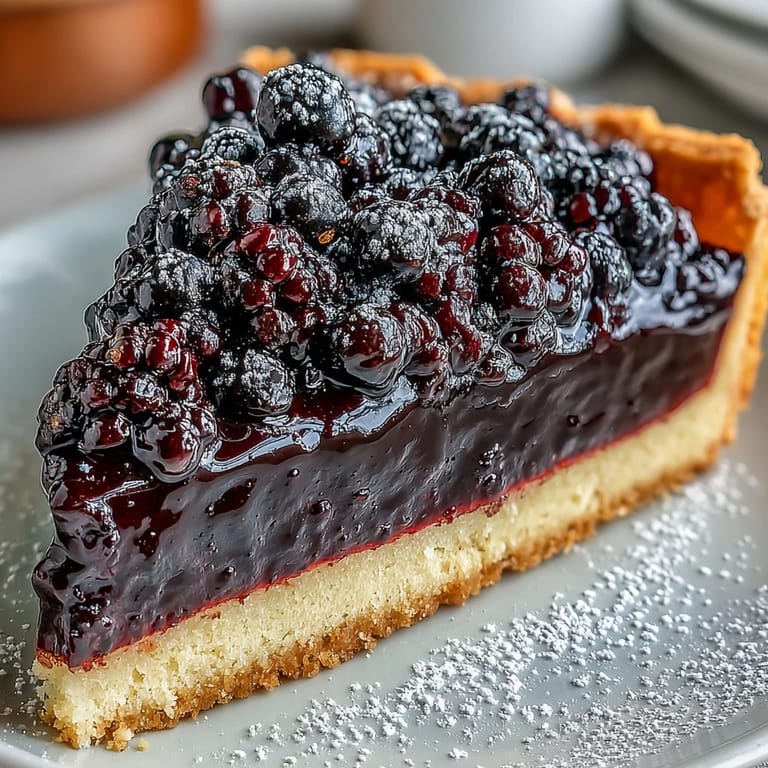
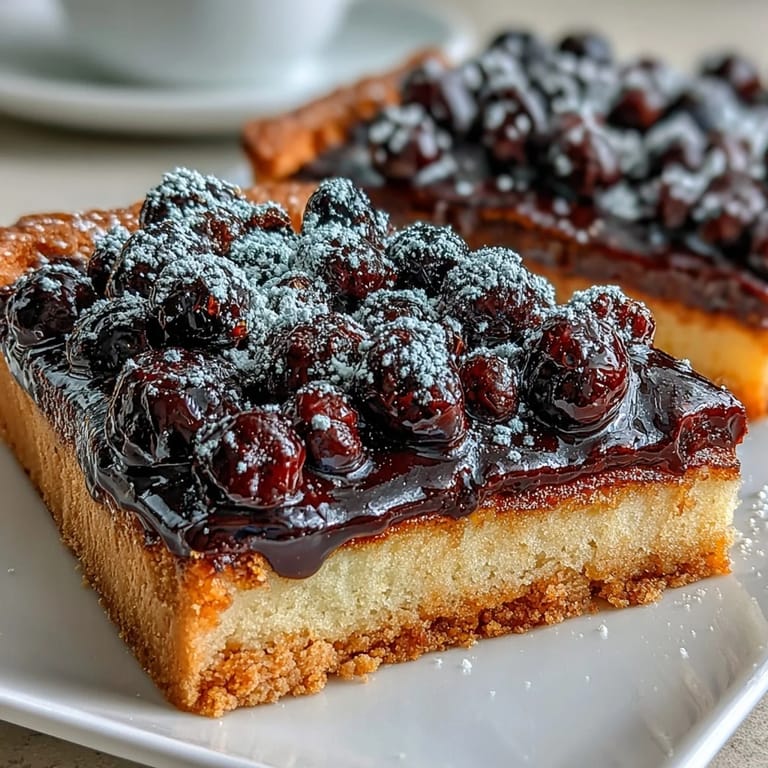
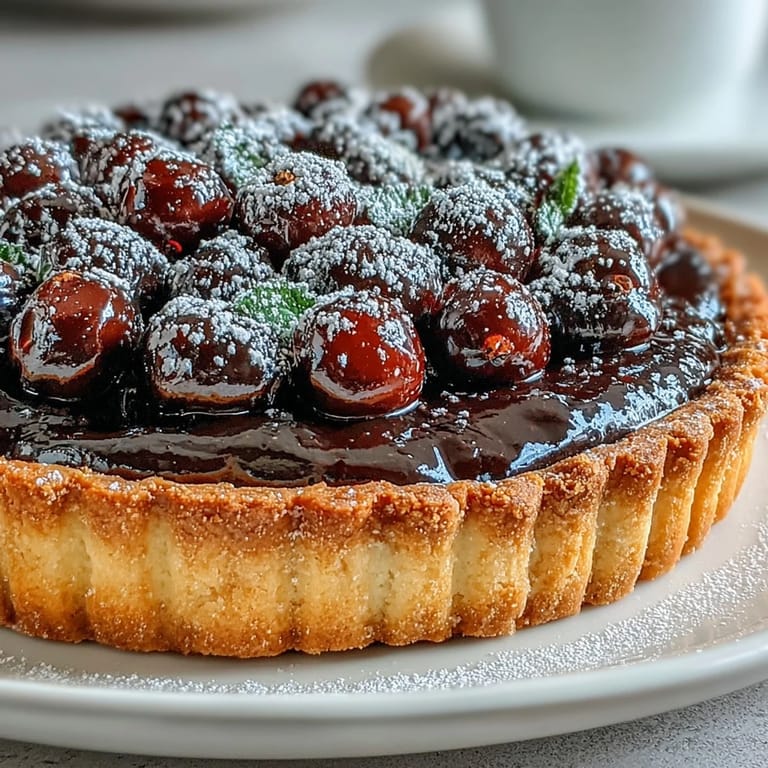
- Spread the cooled curd evenly into your baked tart shell, arrange your fresh berries on top in whatever pattern makes you happy, then chill the finished tart for at least an hour before serving. A dusting of powdered sugar and fresh mint leaves add elegance if you're feeling fancy.
 Save
Save My mother-in-law once asked me why I bothered making tarts when store-bought ones existed, and I realized I couldn't explain it without sounding sentimental. It's not really about the tart itself—it's about standing in a quiet kitchen, feeling the weight of butter in your hands, watching something dark and beautiful transform into something you can actually serve to people you care about.
When Black Currants Aren't Available
Red currants make an elegant substitute and create a slightly more delicate flavor, though you might want to add an extra tablespoon of sugar since they're more tart. Raspberries work in a pinch, though you'll lose some of that distinctive currant intensity. If you go with frozen berries, thaw and drain them thoroughly so excess liquid doesn't water down your curd.
The Art of Serving
This tart is best served cold or at room temperature, which makes it perfect for entertaining because you can prep it hours ahead. A small dollop of whipped cream or a scoop of vanilla ice cream alongside each slice isn't necessary, but it's a gesture that transforms a good dessert into an experience. Some people brush their berries with warmed apricot jam for extra shine—it's not traditional, but it does catch the light beautifully.
Storage and Make-Ahead Wisdom
The baked crust can be made a full day ahead and stored in an airtight container, which gives you one less thing to worry about on the day you're serving. The curd also keeps well for three days in the fridge, tightly covered, so you could theoretically assemble this tart in the morning and serve it at dinner without any fuss. The fresh berries are best added within a few hours of serving to keep them from releasing too much juice onto the curd.
- Make the crust and curd up to two days in advance for maximum flexibility.
- Assemble only when you're ready to serve to keep the berries fresh and the crust crisp.
- This tart doesn't freeze well once assembled, but the individual components keep beautifully in the fridge.
 Save
Save There's something deeply satisfying about ending a meal with a dessert that feels both approachable and a little bit special. This tart has a way of doing that without demanding your life in the kitchen.
Common Questions
- → Can I use frozen black currants?
Yes, frozen black currants work perfectly for both the curd and garnish. Thaw them before cooking the curd, and pat them dry if using as a topping.
- → How far ahead can I make this tart?
The baked crust can be made 1 day ahead. The curd keeps refrigerated for up to 3 days. Assemble the tart no more than 4-6 hours before serving to prevent the crust from becoming soggy.
- → Why did my curd turn grainy?
Grainy curd usually means the eggs cooked too quickly or the mixture got too hot. Always use low heat and stir constantly. If necessary, strain the curd through a fine-mesh sieve for smoothness.
- → Can I substitute other berries?
Red currants make an excellent alternative with similar tartness. For a sweeter variation, try raspberries or blackberries. You can also mix berries for the topping while keeping black currant curd.
- → Do I need pie weights?
Pie weights prevent the crust from puffing up or shrinking during baking. Dried beans or rice work as excellent alternatives if you don't have dedicated weights.
- → How should I store leftovers?
Refrigerate in an airtight container for up to 2 days. Note that the crust will soften over time. For best texture, bring to room temperature 15 minutes before serving.