 Save
Save I discovered cilantro lime rice on a Tuesday afternoon when my neighbor brought a pot of it to share after work. The smell hit me before I even opened the door—bright, herbaceous, with this subtle sweetness underneath. She mentioned it took barely thirty minutes, and I remember thinking, something that smells this good cannot be this easy. The next weekend, I was determined to recreate it, and now it's become my go-to side when I want something that feels restaurant-quality without the fuss.
The first time I made this for a small group, I was nervous I'd mess up something so simple. But as the rice cooked and I prepared the cilantro, my kitchen filled with this grounding warmth. When I folded in the cilantro and lime at the end, one of my friends leaned in and just closed their eyes for a moment. That's when I realized it wasn't about being fancy—it was about how the flavors made people slow down and actually taste what they were eating.
Ingredients
- Long-grain white rice (1 cup): Basmati or jasmine work best because they stay fluffy and separate without getting sticky or gummy. I learned this the hard way with cheap rice from the bulk bin.
- Water (2 cups): Use filtered water if your tap water tastes strongly of chlorine, since it will affect the delicate flavor of the lime.
- Unsalted butter (1 tablespoon, plus 1 optional): Butter adds a subtle richness that olive oil can't quite replicate, but it's completely optional if you prefer a lighter version.
- Salt (1/2 teaspoon): Add it to the cooking water, not at the end—this seasons the rice from the inside out.
- Fresh cilantro (1/3 cup, finely chopped): Don't use dried cilantro here; it tastes like sadness in a jar and completely misses the point of this dish.
- Fresh lime juice (2 tablespoons): Squeeze it from actual limes, not the plastic bottle version—the difference is honestly night and day.
- Lime zest (1 teaspoon): This tiny amount adds an almost imperceptible intensity that makes people wonder what makes it taste so alive.
Tired of Takeout? 🥡
Get 10 meals you can make faster than delivery arrives. Seriously.
One email. No spam. Unsubscribe anytime.
Instructions
- Rinse your rice like you mean it:
- Run the rice under cold water in a fine mesh strainer, stirring it gently with your fingers until the water runs mostly clear. This removes excess starch so your grains stay separate instead of clumping together into a stodgy mess.
- Get your water boiling and set the stage:
- Bring 2 cups of water to a rolling boil in a medium saucepan, then add the rinsed rice, 1 tablespoon butter, and salt. Give everything a gentle stir so nothing sticks to the bottom.
- Simmer low and be patient:
- Reduce the heat to low, cover the saucepan, and let it cook undisturbed for 15 to 18 minutes. You'll hear a subtle shift in the sound—it goes from gently bubbling to almost quiet—which tells you the water's nearly absorbed.
- Rest and let the moisture settle:
- Turn off the heat and let the covered rice sit for 5 minutes. This resting period is crucial; it lets the grains firm up and makes fluffing them easier without breaking.
- Fluff gently and fold in your flavor:
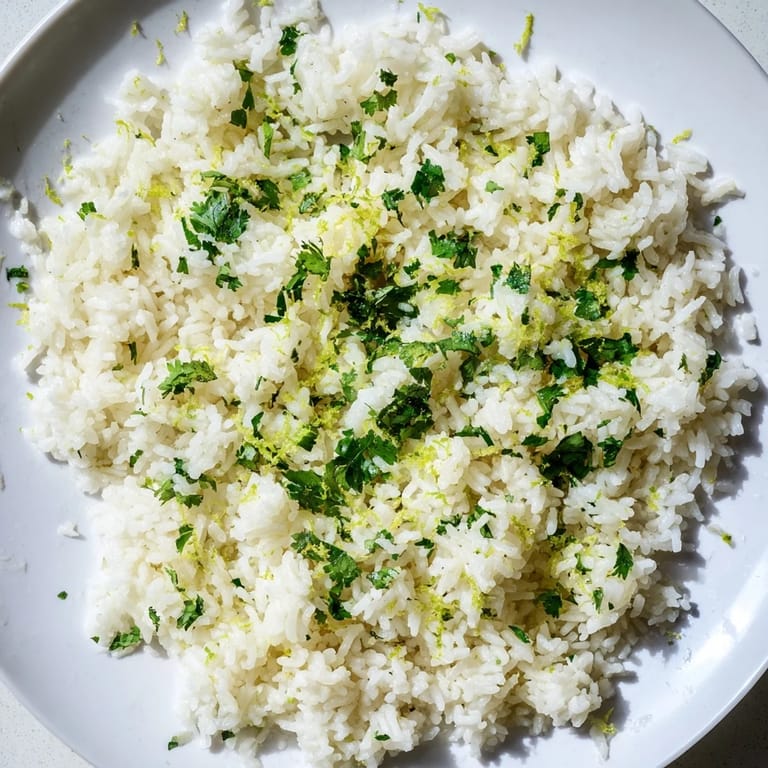
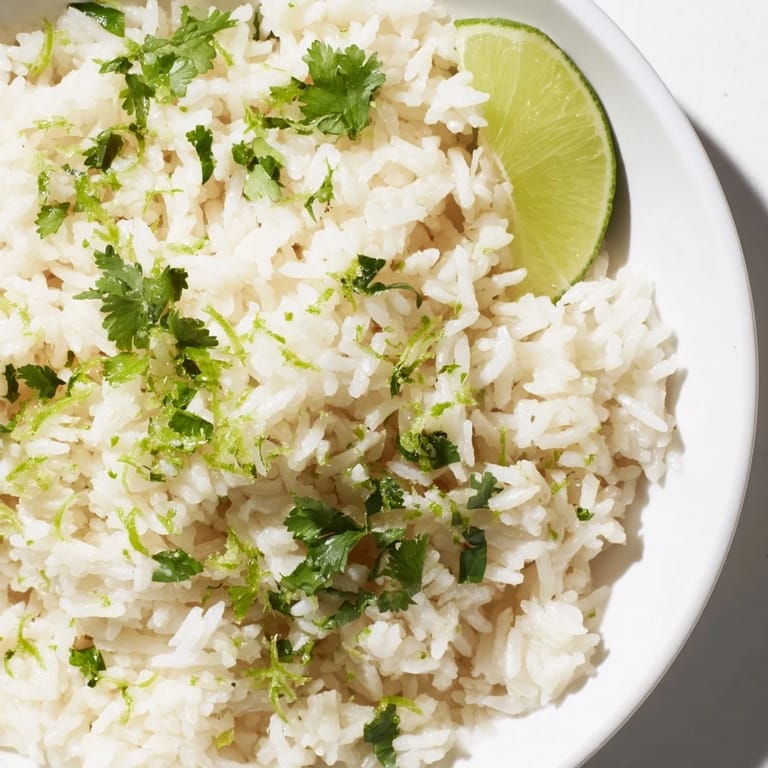
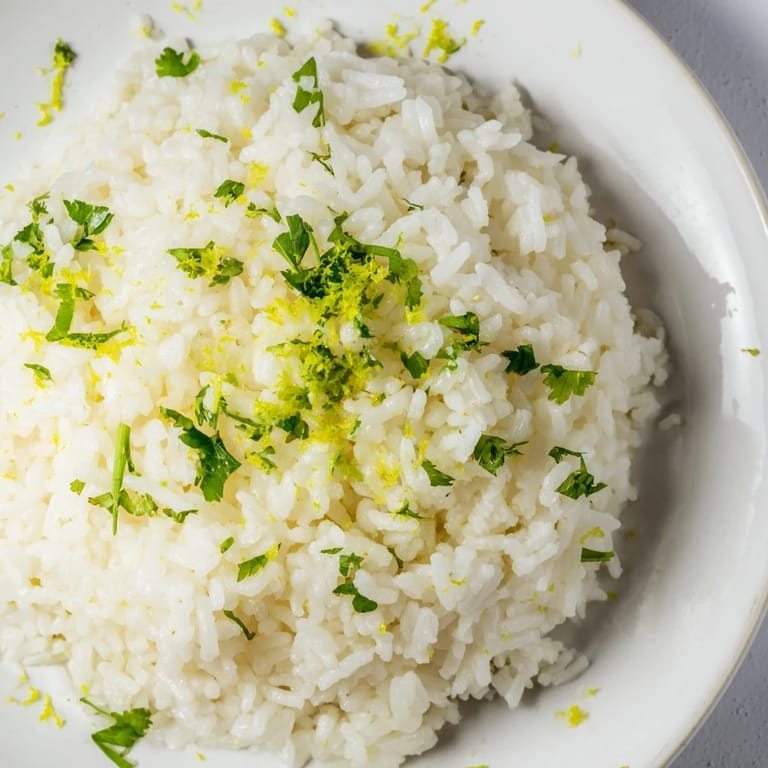
- Use a fork to gently separate the grains, being careful not to crush them. Fold in the cilantro, lime juice, and lime zest, then add the extra butter if you want it.
- Taste and adjust if needed:
- Take a bite and see if the lime is bright enough for you. Some limes are juicier and more tart than others, so trust your palate here.
 Save
Save There's something almost meditative about watching rice transform from scattered grains to fluffy mounds under a lid. One evening, my daughter wandered into the kitchen as I was fluffing the rice, drawn in by the cilantro smell, and asked why this smelled so different from the white rice her school lunch usually has. I let her help stir in the cilantro and lime, and she was amazed that plain rice could taste like something vibrant and alive.
Making It Vegan or Dairy-Free
Swap the butter for extra-virgin olive oil or coconut oil without losing much at all. I've made this with olive oil for friends with dairy allergies, and honestly, it tastes just as good—slightly different, lighter maybe, but equally delicious. The lime and cilantro carry the flavor either way, so don't feel like you're settling.
Flavor Upgrades and Swaps
If you want to dial up the flavor without much extra work, swap half the water for vegetable broth. I once made it with chicken broth by accident and it shifted from a bright side dish to something deeper and more savory, which was actually perfect with grilled chicken. You could also add a tablespoon of finely minced garlic or a jalapeño pepper if you want heat, though it changes the vibe from fresh and light to something a bit more assertive.
Serving Ideas and Pairings
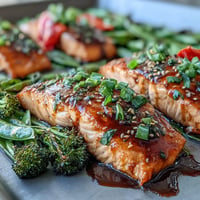
This rice is so versatile it almost feels unfair. I've served it alongside grilled fish, shredded chicken for tacos, carnitas, even as a base for burrito bowls. One of my favorite discoveries was using it as a stuffing for poblano peppers—the lime zest adds this unexpected brightness to a roasted pepper that makes people pause and ask what's different. The rice's lightness means it never overpowers whatever protein or vegetables you're pairing it with.
- Serve it warm, straight from the saucepan, or let it cool slightly and use it as a base for cold rice bowls.
- If you're making it ahead, store it in the fridge and gently warm it with a splash of water before serving.
- Double or triple the batch without worrying—it reheats beautifully and lasts about four days in an airtight container.
 Save
Save This rice has become my answer to the question, how do I make a simple side dish feel special? It's proof that you don't need complicated techniques or unusual ingredients to create something that makes people feel cared for at the table.
Common Questions
- → What type of rice works best for this dish?
Long-grain varieties like basmati or jasmine provide a fluffy texture that absorbs the flavors well.
- → Can I make this dish without butter?
Yes, substitute butter with olive oil for a dairy-free option while maintaining richness.
- → How do I keep the rice fluffy without sticking?
Rinse the rice thoroughly before cooking and avoid stirring while simmering to prevent clumping.
- → Is it necessary to let the rice sit after cooking?
Yes, letting it rest covered for a few minutes allows the steam to finish cooking the rice evenly.
- → Can I add other flavors to this dish?
Substituting half the cooking water with vegetable broth or adding finely chopped green onions can enhance the flavor profile.