 Save
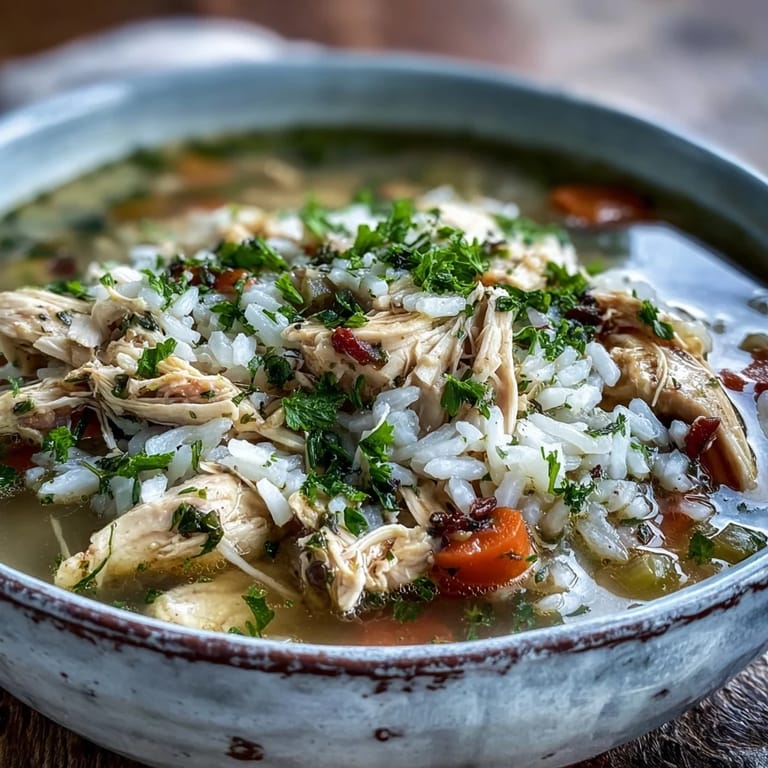
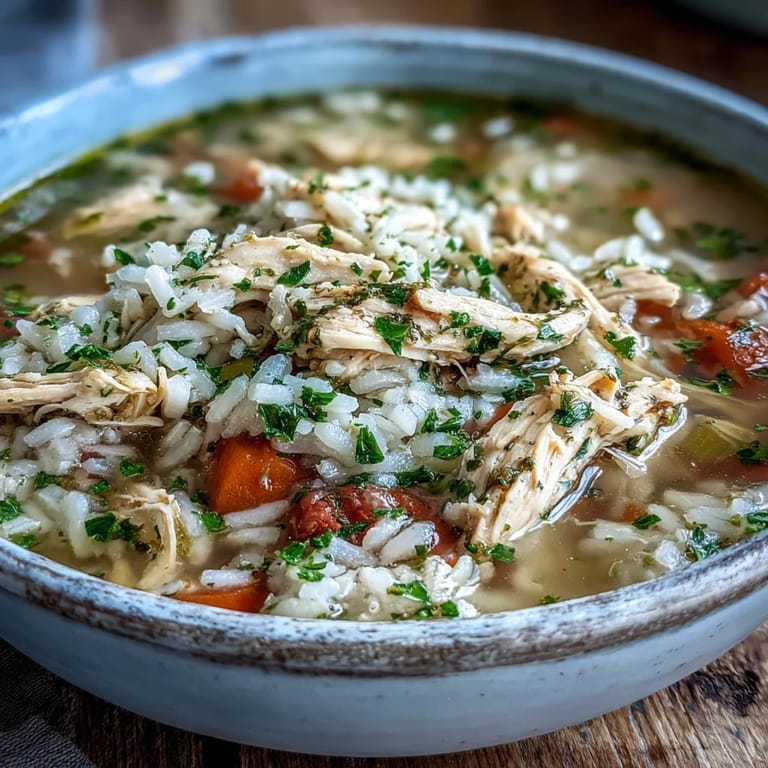
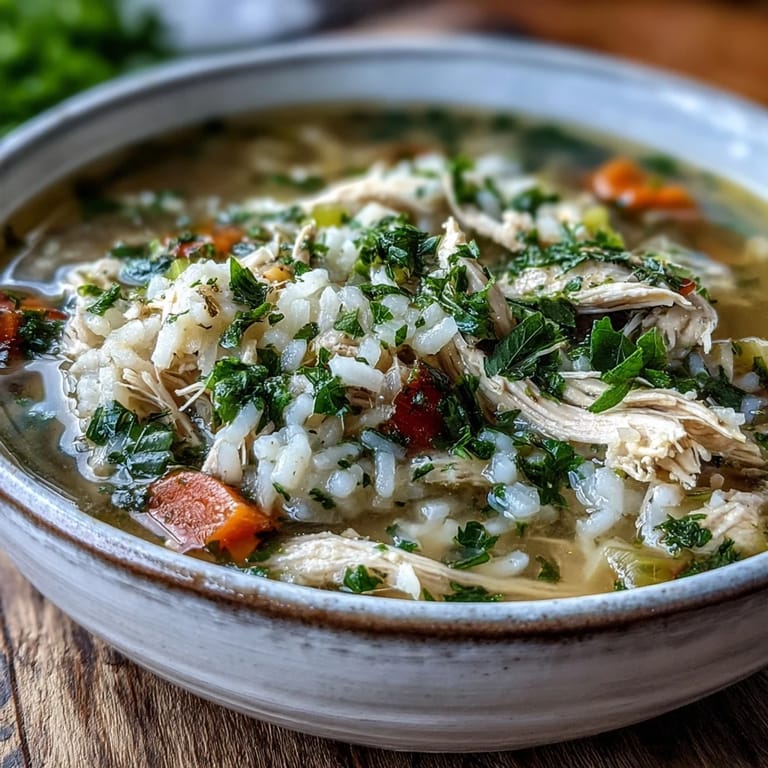
Save There's something about stirring a pot of simmering chicken and rice soup that makes everything feel manageable again. I discovered this recipe on a particularly gray afternoon when the kitchen needed to smell like comfort, and honestly, I just wanted something that would feed people without much fuss. The beauty of it is how the rice absorbs all those savory broth notes while the chicken becomes so tender it practically dissolves on your tongue. This isn't fancy cooking—it's the kind of meal that quietly does its job and leaves everyone satisfied.
I made this for my neighbor last winter after she'd had minor surgery, and I watched her close her eyes on the first spoonful like it was the best thing she'd tasted in weeks. She told me later it was the warmth more than the flavor that did it—something about holding the bowl in both hands and feeling the steam. That moment reminded me why simple food matters so much; it's not about impressing anyone, it's about showing up.
Ingredients
- Chicken breasts: Boneless and skinless keep this light, but don't skip the rinsing step before cooking—it prevents that slightly off flavor that cooked poultry can get.
- Olive oil: Just enough to coat the bottom and help the vegetables release their sweetness as they soften.
- Yellow onion, carrots, and celery: The holy trinity of soup-making, and yes, you really do need all three—they create layers of flavor that one alone can't match.
- Garlic: Minced fresh garlic is worth the five seconds it takes; jarred tastes tired by comparison.
- Long-grain white rice: Rinsing it removes excess starch so the grains stay separate and fluffy rather than gluey.
- Chicken broth: Low-sodium is important because you're seasoning as you go, and it's easier to add salt than remove it.
- Thyme and rosemary: Dried herbs work beautifully here; they soften into the broth rather than leaving little leaf bits everywhere.
- Bay leaves: These quietly anchor the flavor profile—don't skip them, but definitely fish them out before serving.
- Fresh parsley and lemon: The parsley adds color and a whisper of freshness; the lemon is optional but it lifts the whole thing at the end.
Tired of Takeout? 🥡
Get 10 meals you can make faster than delivery arrives. Seriously.
One email. No spam. Unsubscribe anytime.
Instructions
- Wake up the aromatics:
- Heat your oil over medium heat and add the diced onion, carrots, and celery all at once. You'll hear them hit the hot oil, and that's your signal to start watching. Stir occasionally for about five to six minutes until they're soft and the onion turns translucent—this is when they begin releasing their sweetness into the pot.
- Bloom the herbs:
- Once the vegetables are tender, add the minced garlic along with the thyme and rosemary, stirring constantly for just one minute. You'll smell it immediately—that's the herbs releasing their oils, which means they're doing their job.
- Build the foundation:
- Nestle the chicken breasts into the pot and pour in all the broth along with the bay leaves, salt, and pepper. Bring it to a rolling boil—don't walk away, because it happens faster than you'd think.
- Bring everything together:
- Once boiling, add your rinsed rice, give it a quick stir to distribute it evenly, then cover the pot and reduce the heat to a gentle simmer. The cover is crucial here—it traps the steam that cooks the rice.
- Let time do the work:
- Set a timer for twenty to twenty-five minutes and resist the urge to peek constantly. When the timer goes off, the rice should be tender, the chicken cooked through, and the broth slightly thickened from the rice starch.
- Finish with intention:
- Remove the chicken to a cutting board, shred it with two forks (it should fall apart easily), and return it to the pot. Fish out the bay leaves, stir in fresh parsley, and squeeze in that lemon juice if you have it—it brightens everything.
- Taste and adjust:
- This is the moment to add more salt or pepper if it needs it. Everyone's palate is different, so trust what your tongue tells you.
 Save
Save My daughter asked for seconds and then thirds, which never happens, and she told me it tasted like home even though we'd only lived in the house for three months. Food has a way of doing that—it creates instant belonging in a place you're still getting to know.
Why This Soup Works Every Time
The magic happens because the rice cooks in the broth rather than separately, so it's seasoned from the inside out instead of tasting like a neutral filler. The long, gentle simmer also gives the vegetables time to contribute their essence to the liquid without falling apart. There's no roux, no cream, no tricks—just ingredients that respect each other and know how to work together.
How to Make It Your Own
I've learned that this recipe is flexible without being forgiving of completely wrong choices. You could add a splash of cream at the very end if you want richness, or use chicken thighs instead of breasts for deeper flavor and a more forgiving cooking window. Some people swear by adding a handful of frozen peas in the last few minutes, which adds color and a slight sweetness.
Storage and Serving
This soup actually improves overnight as the flavors settle and mingle. Store it in airtight containers in the fridge for up to four days, or freeze individual portions for up to three months. When you reheat it, add a splash of broth if it's thickened too much, and taste before seasoning—freezing sometimes mutes salt.
- Serve with crusty bread and a light white wine for a meal that feels intentional.
- A squeeze of fresh lemon just before eating adds brightness that elevates the whole bowl.
- If someone's under the weather, this is the soup they'll remember as the one that helped them heal.
 Save
Save This soup has saved me on nights when I had no energy and on mornings when I needed something to give away. It's proof that the most nourishing meals are often the simplest ones.
Common Questions
- → Can I make this ahead of time?
Yes, this soup reheats beautifully. Store in an airtight container in the refrigerator for up to 4 days. The rice will absorb more liquid as it sits, so add extra broth when reheating.
- → Can I freeze this soup?
You can freeze it for up to 3 months, but the rice texture may change slightly. For best results, freeze without the rice and add fresh rice when reheating.
- → What can I substitute for chicken breasts?
Chicken thighs work wonderfully and add more flavor. You can also use a rotisserie chicken, adding it during the last 10 minutes just to heat through.
- → How do I prevent the rice from getting mushy?
Rinse the rice thoroughly before adding and monitor the cooking time. White rice typically takes 20-25 minutes. If using brown rice, increase the cooking time and add more broth.
- → Can I make this in a slow cooker?
Yes! Sauté vegetables first, then add everything to the slow cooker. Cook on low for 4-6 hours or high for 2-3 hours. Add the rice during the last hour to prevent overcooking.
- → How can I add more protein?
Stir in a can of rinsed white beans during the last 15 minutes, or add shredded chicken thighs instead of breasts for a richer, more protein-dense version.