 Save
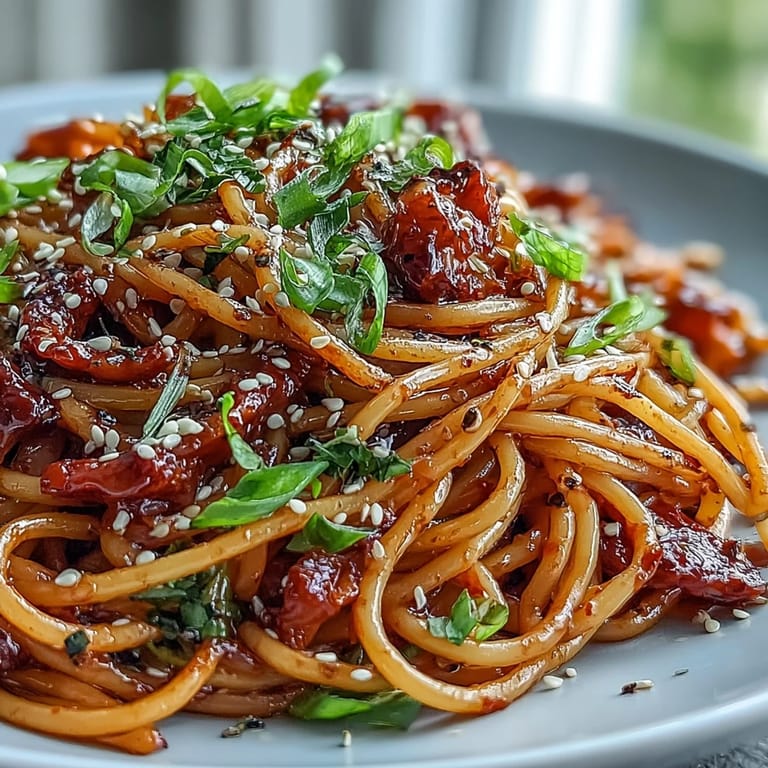
Save The first time I tried gochujang in pasta, the kitchen filled with a wild, cozy scent—spicy, buttery, and strangely comforting. It was a late-night experiment that came together while rain tapped against my window and my fridge offered only the basics. That unmistakable pop of heat, mellowed by golden butter and garlic, completely surprised me. A dish I planned out of necessity turned out vivid, bold, and honestly irresistible. Every time I make it now, I’m delighted by just how quickly it all comes together.
I once whipped this up for a friend who arrived starved after a cross-town bike ride. The two of us hunched over bowls in the living room, marveling at how a simple swap of gochujang for tomato sauce made dinner feel like a little adventure—plenty of laughter followed the inevitable spicy nose sniffles.
Ingredients
- Pasta: Spaghetti or linguine lets the glossy sauce cling just right, and salting your water is the secret to seasoned noodles.
- Unsalted butter: Butter smooths out the gochujang's heat, so don’t skimp—plant-based butter works if you’re going vegan.
- Garlic: Mince it very fine and don’t let it brown, or you’ll lose that sweet edge and the aroma that floats through the kitchen.
- Gochujang: This deep-red chili paste is the heart of the dish—taste yours first as brands vary in heat and sweetness.
- Soy sauce: A splash ties everything together and brings that savory backbone, but tamari is perfect for a gluten-free option.
- Honey or maple syrup: Even a little sweetness transforms the sauce, and maple syrup keeps it vegan.
- Pasta cooking water: Save some before draining—the starch makes the sauce luscious and helps it hug the pasta.
- Spring onions: Toss on top for freshness and a gentle bite.
- Toasted sesame seeds: These tiny seeds add crunch and a toasty aroma as you dig in.
- Freshly ground black pepper: Pepper adds a last burst of heat just before serving; use coarsely ground for a little texture.
Tired of Takeout? 🥡
Get 10 meals you can make faster than delivery arrives. Seriously.
One email. No spam. Unsubscribe anytime.
Instructions
- Boil and Prep:
- Start by bringing a big pot of salted water to a boil—let the bubbling sound set the energy. Cook your pasta until al dente, scooping out 1/4 cup of that liquid gold before you drain the noodles.
- Sizzle the Garlic:
- Melt butter in a wide skillet over medium heat until foamy, then tip in the minced garlic—you should hear a happy sizzle but no browning, just a bouquet of earthy aroma.
- Mix the Sauce:
- Stir in gochujang, soy sauce, and honey or maple, swirling everything until the mixture deepens and turns glossy—this step fills the kitchen with a sweet-smoky scent.
- Toss it Together:
- Add drained noodles straight to the skillet, pour over your reserved pasta water, and toss—watch as the sauce clings and the strands start to shine within a minute or two.
- Garnish and Serve:
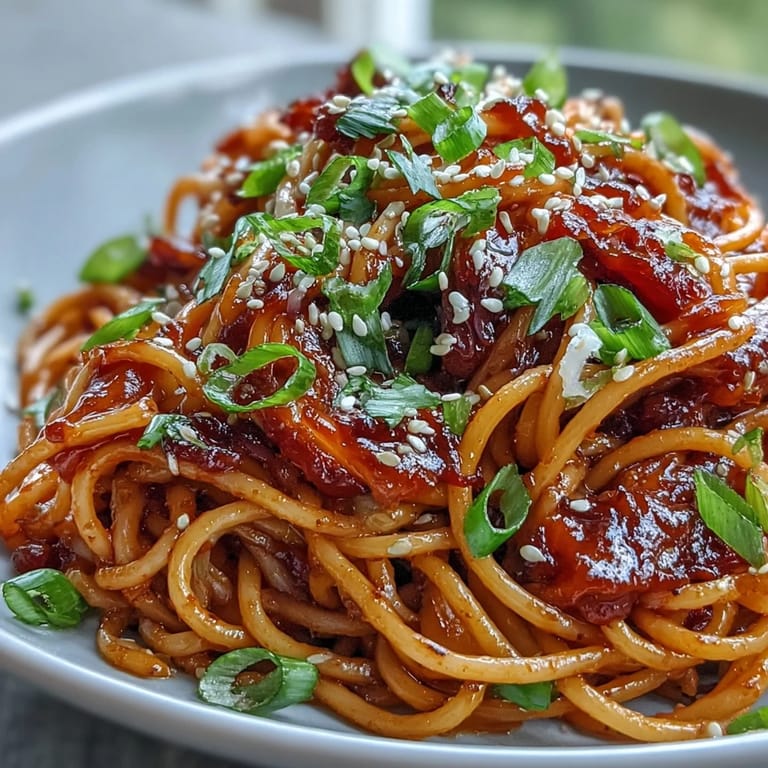
- Divide onto plates, shower with spring onions and sesame seeds, and give a last turn of black pepper—eat hot, before the sauce has time to lose its gloss.
 Save
Save This pasta became a running joke in my household; for a few wild weeks, it outshined every takeout night. I still remember the moment someone called it our 'comfort food with a kick,' and now it’s the dish we turn to for quick celebrations or cozy evenings in.
Tweaks to Make It Your Own
If you’ve got mushrooms or spinach lurking in the fridge, toss them in with the garlic for a fast veg boost. I’ve spun this with a jammy soft-boiled egg or crisped-up tofu cubes on top for those times when I’m after extra comfort or protein. The beauty here is the base sauce is like a blank canvas—layer on what you love most.
What to Pair With Gochujang Butter Pasta
This dish loves a spritzy drink and something crisp, like a barely-sweet white wine or a cucumber salad scattered with sesame. When I need a sidekick, I slice up carrots and cucumbers for dipping alongside, letting their coolness balance the spice. A bowl of miso soup rounds things out for a comforting full-on fusion dinner.
Making It Work for Any Diet
Gochujang pasta can easily go vegan—just grab plant-based butter and maple syrup, and check your noodle labels. Tamari and gluten-free pasta have come to my rescue when cooking for friends with allergies, so keep both in your pantry. For anyone sensitive to heat, stir in an extra knob of butter at the end and use a milder gochujang.
- Add thawed peas at the same step as the pasta for protein and color.
- Don’t skip the spring onion; its freshness is magic against all that richness.
- Always save your pasta water first—forgetting is too common!
 Save
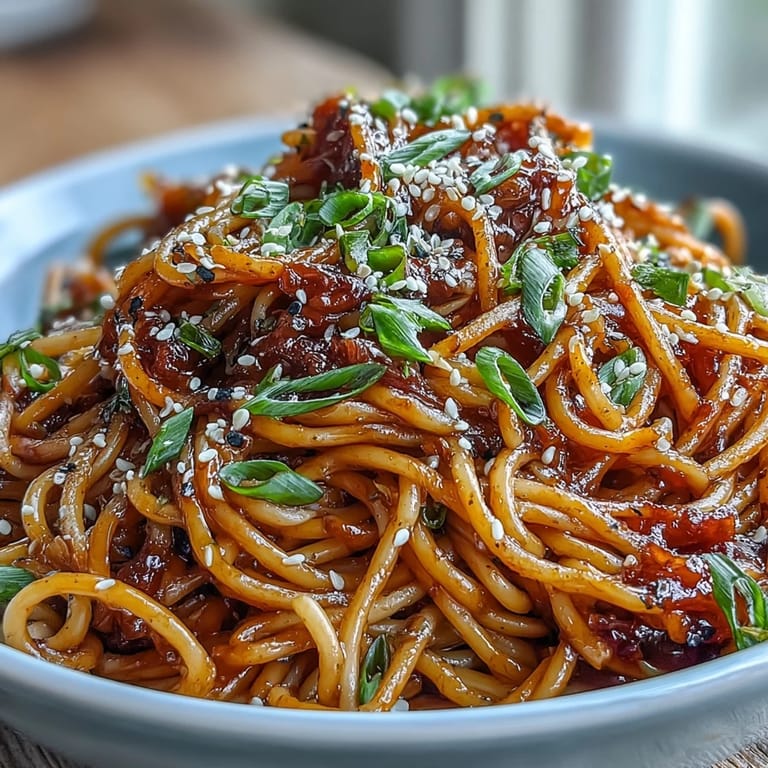
Save Every bowl of this pasta feels like a small victory: spicy, creamy, and alive with flavor. Here’s hoping it sparks some lively kitchen experiments in your own home.
Common Questions
- → What pasta works best?
Long strands like spaghetti or linguine are ideal; they pick up the glossy gochujang-butter sauce well. Cook to al dente so the strands hold texture when tossed in the pan.
- → Can I substitute gochujang?
Gochujang is fermented and sweet-spicy, so a mix of miso or doubled soy with a chili paste can work in a pinch, but the depth and mild sweetness of gochujang are distinctive. Adjust sweetness and salt to taste.
- → How do I make it vegan or gluten-free?
Use plant-based butter and maple syrup for a vegan version. Swap regular pasta for a certified gluten-free variety and replace soy sauce with tamari to remove gluten.
- → Why reserve pasta cooking water?
Starchy pasta water loosens and emulsifies the sauce, helping butter and gochujang form a silky coating that clings to each strand rather than pooling in the pan.
- → How can I adjust the heat level?
Reduce the amount of gochujang for milder heat, or add a touch more honey or butter to tame spice. To increase heat, add a pinch of red pepper flakes or a dab of extra gochujang when tossing.
- → How should leftovers be stored and reheated?
Cool and refrigerate in an airtight container for up to 2 days. Reheat gently in a skillet over low heat with a splash of water or a small knob of butter to restore sauce gloss and loosen the pasta.