 Save
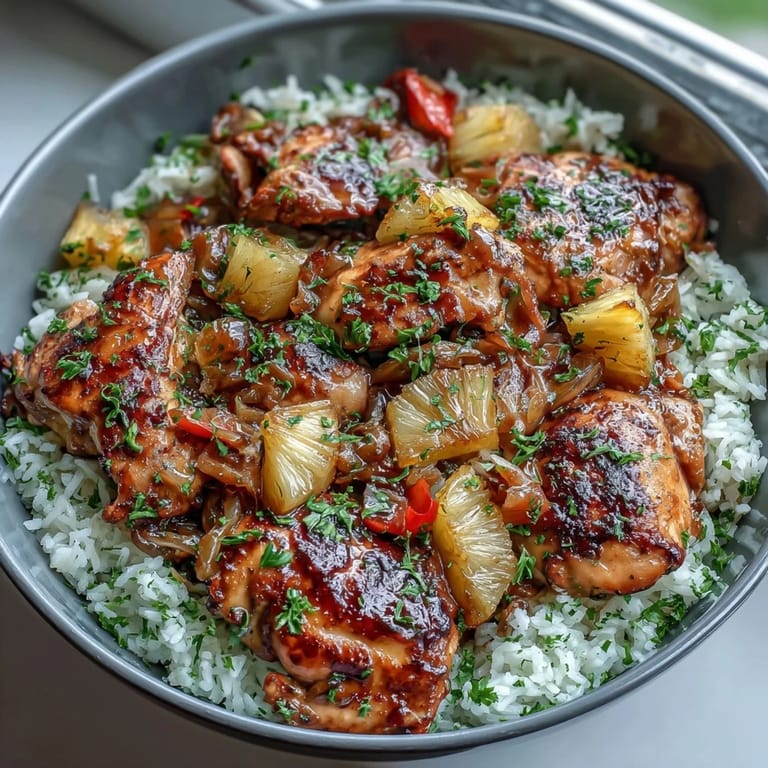
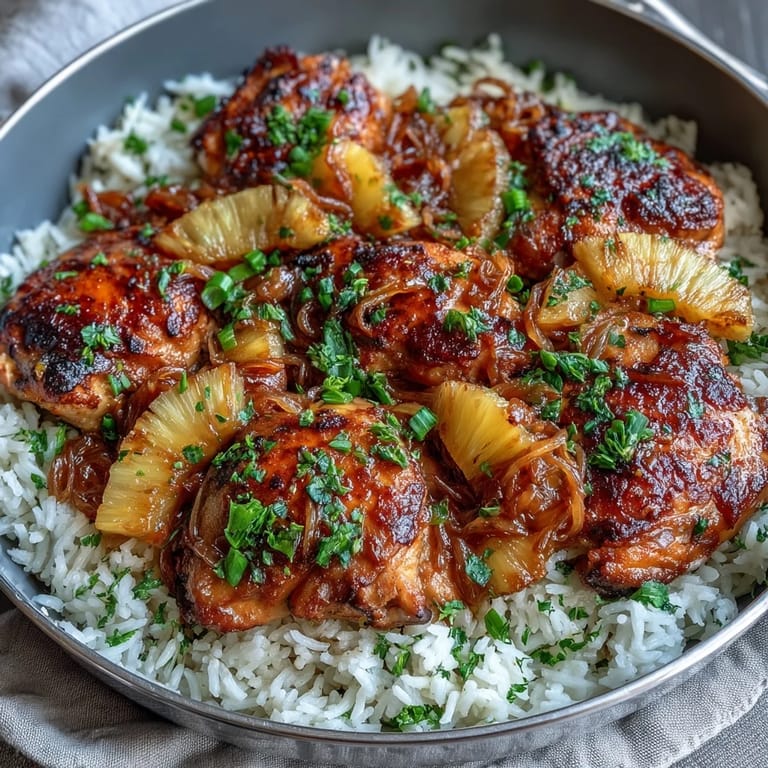
Save There's something about the sizzle of chicken hitting hot oil that makes me pause mid-conversation and just listen. Years ago, I was experimenting with flavors one weeknight when I grabbed a can of pineapple without really thinking through the full plan. What emerged was this golden, one-pan meal that somehow felt both comforting and a little bit adventurous, like taking a culinary detour and landing exactly where I needed to be.
I made this for my neighbor after she helped us move, and watching her face light up when she took the first bite taught me something about food I hadn't fully understood before. It wasn't just delicious, it was the kind of meal that makes people feel seen and appreciated, like you'd spent hours in the kitchen when really you'd just been smart about your time.
Ingredients
- Boneless, skinless chicken breast or thighs (1 lb): Thighs give you more forgiveness and flavor, but breasts work beautifully if that's what you have; cut everything into uniform pieces so they cook evenly and stay tender.
- Long-grain white rice (1 cup): Rinsing removes excess starch and keeps each grain separate and fluffy rather than gluey, a small step that makes a noticeable difference.
- Red and yellow bell peppers (1 each): The color isn't just pretty, it tells you the peppers are ripe and sweet, which balances the soy sauce perfectly.
- Fresh pineapple chunks (1 cup): Fresh tastes brighter than canned, but canned absolutely works if that's easier; the juice becomes part of your sauce magic.
- Yellow onion and garlic (1 small onion, 2 cloves): These two are your aromatic foundation, creating a fragrant base that everything else builds on.
- Low-sodium soy sauce (1/4 cup): Low-sodium lets you control the saltiness without overpowering the other delicate flavors dancing in your sauce.
- Pineapple juice (1/4 cup): This is where the sweetness comes from naturally, no need to add extra sugar unless you want it bolder.
- Honey or brown sugar (2 tbsp): A touch of sweetness rounds out the soy sauce and creates that signature sweet-savory balance that keeps you coming back.
- Rice vinegar (1 tbsp): Just enough tang to keep the sauce from feeling one-note, like the secret ingredient nobody can quite identify.
- Sesame oil (1 tsp): This tiny amount brings an earthy, nutty depth that makes people think you've been cooking Asian cuisine for years.
- Chicken broth (2 cups): Low-sodium broth gives you room to build flavors without oversalting, and it becomes the cooking liquid that makes your rice impossibly fluffy.
- Vegetable oil (2 tbsp total): Split between searing the chicken and sautéing vegetables, this keeps everything cooking at the right temperature without sticking.
- Green onions (2, sliced): These go on at the very end, adding freshness and a slight bite that cuts through all that richness.
Tired of Takeout? 🥡
Get 10 meals you can make faster than delivery arrives. Seriously.
One email. No spam. Unsubscribe anytime.
Instructions
- Sear your chicken until golden:
- Heat oil in your largest skillet over medium-high heat until it shimmers, then lay in the chicken pieces in a single layer. Let them sit undisturbed for a minute so they brown properly, then flip and cook another few minutes until they're golden on the outside. They don't need to be cooked through yet, just beautifully seared.
- Build your aromatic base:
- Wipe out any browned bits if they're burnt (a little brown is good, burnt is bitter), add fresh oil, then sauté your diced onion and garlic until the kitchen smells incredible. This usually takes about two minutes, and you'll know it's ready when the garlic stops being sharp and smells sweet instead.
- Soften those peppers:
- Add your bell pepper strips and let them cook for three to four minutes, just enough that they lose their raw edge but still have a little snap. This is the moment where the skillet becomes a palette of reds and yellows that honestly makes you smile.
- Toast your rice briefly:
- Stir in the rinsed rice and let it cook for just one minute, coating it in the oil and the lingering heat. You're looking for it to smell faintly nutty and for each grain to glisten slightly.
- Return the chicken and make your sauce:
- Put the chicken back in the pan, then whisk together all your sauce ingredients in a bowl before pouring them over everything. Whisking first ensures the honey dissolves and everything blends seamlessly rather than the honey clumping up.
- Add broth and pineapple, then simmer:
- Pour in your chicken broth and scatter the pineapple chunks across the top, then bring everything to a rolling boil. Once it's boiling, reduce the heat to low, cover tightly, and let it steam gently for eighteen to twenty minutes until the rice is tender and the liquid is absorbed.
- Thicken if desired, then serve:
- If you want a saucier result, mix cornstarch with water and stir it in during the last couple of minutes for a glossy glaze. Fluff gently with a fork, scatter green onions over the top, and serve while everything's still steaming.
 Save
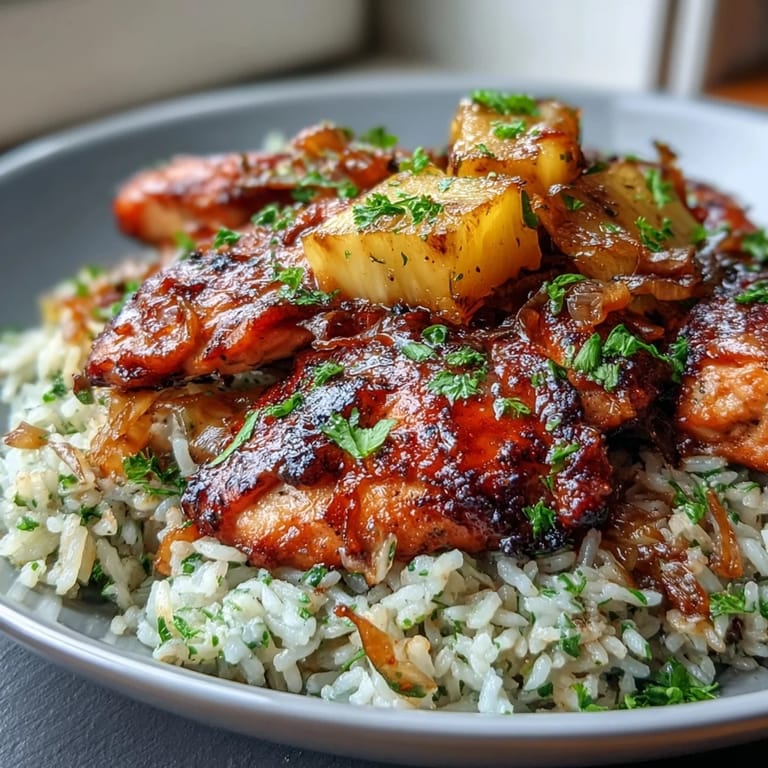
Save My kids, who are picky about almost everything, started asking for this meal by name, which felt like a small victory in the kitchen. There's something about the combination of sweet pineapple, savory soy, and soft rice that just works for people, regardless of their usual preferences.
Making It Your Own
This recipe is honestly a blank canvas for whatever you have in your kitchen or whatever your taste buds are craving that day. I've made it with snap peas instead of some peppers, added thin sliced carrots, thrown in broccoli florets in the last five minutes of cooking, and every single version has been delicious in its own way.
Heat Level and Flavor Tweaks
If you like spice, crush some red pepper flakes into the sauce or slice a fresh chili and add it with the garlic. If you're cooking for kids or people who prefer milder flavors, skip the heat entirely and let the natural sweetness of the pineapple and the umami of the soy sauce be your main characters.
Serving and Storage Wisdom
This is genuinely one of those meals that tastes just as good, if not better, the next day when all the flavors have had time to get cozy with each other. Leftovers keep in the fridge for three days, and you can reheat gently in the skillet with a splash of broth to bring back the moisture.
- Serve alongside something light like a simple green salad or steamed bok choy if you want to round out the meal without heaviness.
- A crisp white wine like Riesling or Sauvignon Blanc pairs beautifully and cuts through the richness perfectly.
- If you're using brown rice instead, add an extra half cup of broth and give it a few extra minutes to cook through properly.
 Save
Save This skillet has quietly become one of those recipes I return to again and again because it never fails and it always feels like a small celebration on a weeknight. There's real magic in a meal that's this simple to execute but tastes like you actually know what you're doing in the kitchen.
Common Questions
- → Can I use brown rice instead of white rice?
Yes, brown rice can be substituted but requires a longer simmering time and more broth for proper cooking.
- → What type of chicken works best for this dish?
Boneless, skinless chicken breasts or thighs cut into bite-sized pieces cook quickly and stay tender in the skillet.
- → How can I thicken the sauce?
Mix cornstarch with water and stir it into the skillet near the end of cooking; cook for 1-2 minutes until desired thickness is reached.
- → Is it possible to add more vegetables?
Absolutely! Snap peas, carrots, or broccoli can be added for extra texture and nutrition.
- → How to adjust spice levels in this dish?
Adding crushed red pepper flakes or sliced chili with garlic during cooking will introduce a spicy kick.