 Save
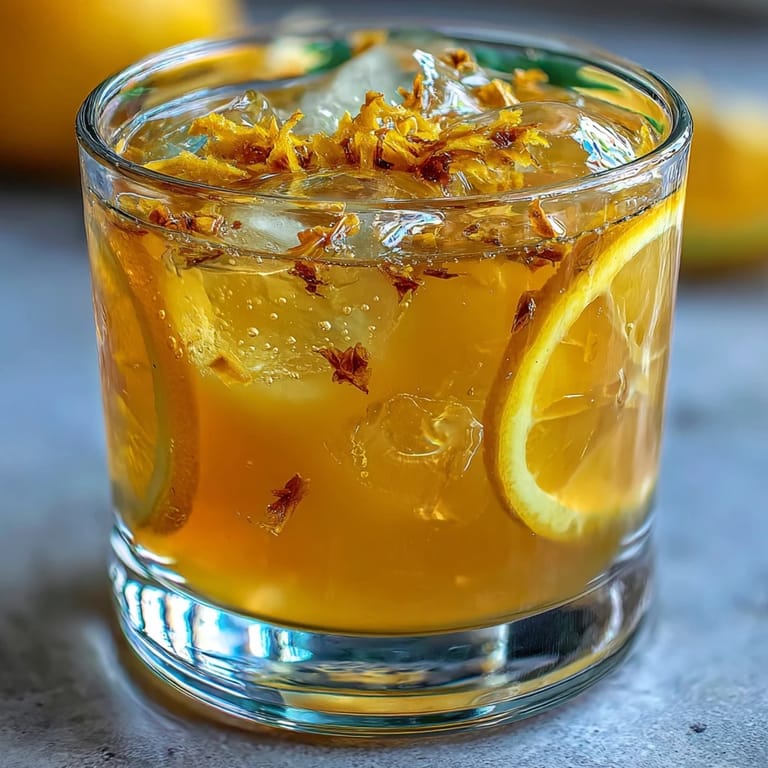
Save There's something magical about capturing the essence of sun-drenched Italian lemons in a bottle. Homemade limoncello is more than just a liqueur—it's a tradition passed down through generations along the Amalfi Coast, where bright yellow lemons hang heavy on ancient trees. This vibrant, zesty digestif embodies the warmth of Italian hospitality and the joy of sharing something made with your own hands. With just three simple ingredients and a bit of patience, you'll create a stunning golden elixir that rivals anything you'd find in the finest Italian trattorias.
Save The secret to exceptional limoncello lies in the quality of your lemons and the patience to let the zest infuse properly. Unlike commercial versions that may taste artificial or overly sweet, homemade limoncello captures the pure, bright essence of fresh citrus. The ritual of peeling the zest, watching the alcohol transform into liquid sunshine, and finally blending it with simple syrup becomes a meditative practice. Served ice-cold from the freezer, this golden liqueur is the perfect ending to a memorable meal or a refreshing aperitif on a warm evening.
Ingredients
Tired of Takeout? 🥡
Get 10 meals you can make faster than delivery arrives. Seriously.
One email. No spam. Unsubscribe anytime.
- 8 large unwaxed organic lemons
- 750 ml 95% pure grain alcohol (or 100-proof vodka if unavailable)
- 600 ml water
- 400 g granulated sugar
Instructions
- Step 1: Prepare the Lemons
- Wash the lemons thoroughly under hot water, scrubbing to remove any residue or wax. Pat dry completely.
- Step 2: Zest the Lemons
- Using a vegetable peeler, carefully remove the yellow zest from the lemons, avoiding the bitter white pith.
- Step 3: Begin the Infusion
- Place the lemon zest in a large, clean glass jar. Pour in the alcohol, ensuring the zest is fully submerged. Seal tightly.
- Step 4: Infuse
- Store the jar in a cool, dark place for 10–30 days. Shake gently every 2 days. The longer the infusion, the stronger the lemon flavor.
- Step 5: Make the Syrup
- After infusion, prepare the syrup: In a saucepan, combine water and sugar. Heat gently, stirring, until the sugar is fully dissolved. Let cool to room temperature.
- Step 6: Strain the Zest
- Strain the lemon zest from the alcohol using a fine mesh strainer or cheesecloth. Discard the zest.
- Step 7: Combine
- Combine the lemon-infused alcohol with the cooled syrup, stirring to mix thoroughly.
- Step 8: Bottle and Rest
- Pour the limoncello into sterilized bottles and seal tightly. Allow to rest for at least 7 days before serving for best flavor.
- Step 9: Serve
- Serve well-chilled, straight from the freezer, in small glasses.
Zusatztipps für die Zubereitung
The quality of your lemons makes all the difference in this recipe. Always choose organic, unwaxed lemons to avoid any chemical residue in your final product. When peeling the zest, take your time to remove only the bright yellow outer layer—the white pith underneath is intensely bitter and will ruin the delicate flavor balance. A sharp vegetable peeler works better than a zester for this purpose, giving you clean strips without the pith. If you notice any white attached to your peels, gently scrape it away with a paring knife. The infusion jar should be completely clean and dry before starting; any moisture or residue can affect the final taste. During the infusion period, resist the temptation to open the jar frequently—just give it a gentle shake every couple of days to redistribute the oils.
Varianten und Anpassungen
While traditional limoncello is perfect as written, there are wonderful variations to explore. Try using Meyer lemons for a floral twist with a slightly sweeter, less acidic profile. For a more complex flavor, add a few strips of orange or grapefruit zest alongside the lemon. If you prefer a less sweet digestif, reduce the sugar to 300 g for a drier, more sophisticated taste. Conversely, increase it to 500 g if you like a dessert-style liqueur. Some Italian families add a vanilla bean or a few fresh basil leaves during infusion for an herbal note. You can also create crema di limoncello by adding 200 ml of whole milk or cream to the finished product for a smooth, creamy version. The alcohol base can be adjusted too—while grain alcohol produces the purest lemon flavor, high-quality vodka is an excellent substitute that's easier to find.
Serviervorschläge
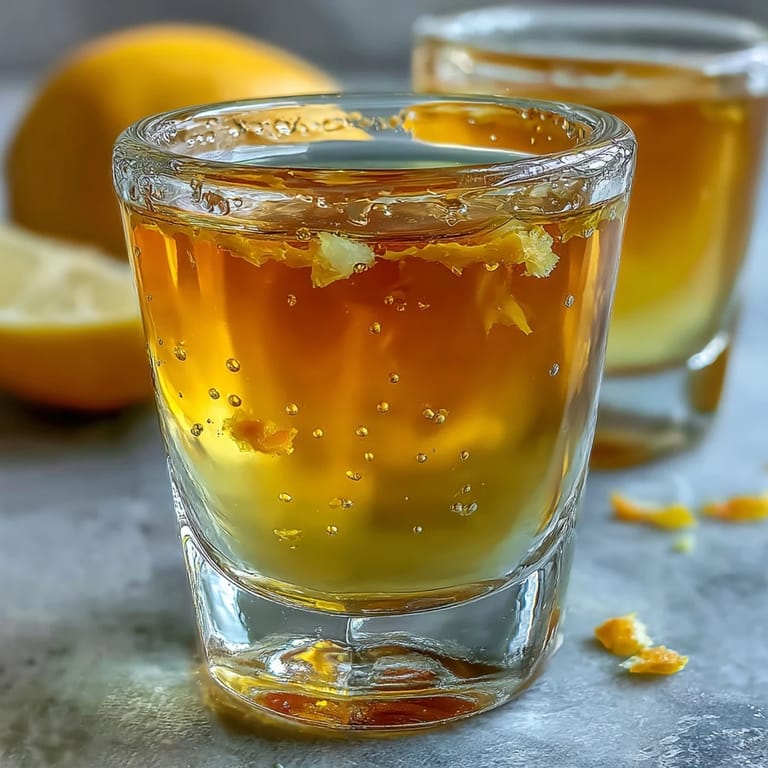
Limoncello shines brightest when served ice-cold in chilled small glasses or shot glasses. Store the bottle in your freezer—the high alcohol content prevents it from freezing solid, creating a perfectly viscous, refreshing pour. Traditionally served as a digestif after dinner, it's meant to be sipped slowly to aid digestion and cleanse the palate. For a festive touch, rim glasses with sugar before pouring, or garnish with a fresh lemon twist. Limoncello also makes an excellent base for cocktails: mix with prosecco for a limoncello spritz, add to lemonade for a boozy twist, or drizzle over vanilla gelato for an adult dessert. It's wonderful in summer punches, mixed with fresh berries and sparkling water. When gifting, decant into beautiful bottles with handwritten labels noting the infusion date—it's a thoughtful present that shows you invested time and care.
 Save
Save Making your own limoncello is a rewarding journey that connects you to centuries of Italian tradition. The process teaches patience—good things truly do come to those who wait—and the result is a bottle of liquid sunshine that captures the very soul of fresh lemons. Whether you're toasting a special occasion, ending a dinner party on a bright note, or simply enjoying a quiet moment of Italian-inspired luxury, homemade limoncello delivers joy in every sip. Once you taste the difference between homemade and store-bought, you'll never go back. So gather your organic lemons, find a beautiful jar, and begin your own limoncello tradition today.
Common Questions
- → What type of lemons should I use?
Use organic, unwaxed lemons to ensure clean zest free from pesticides and wax coatings for best flavor.
- → Can I substitute the alcohol?
Yes, 100-proof vodka works well if pure grain alcohol isn’t available, maintaining the infusion’s strength and clarity.
- → How long should the infusion last?
Steep the lemon zest in alcohol for 10 to 30 days, shaking gently every couple of days to extract bright citrus oils.
- → Why avoid the white pith in zesting?
The white pith is bitter and can affect flavor, so carefully removing only the yellow zest ensures a clean, zesty profile.
- → How should I serve the liqueur?
Chill the limoncello thoroughly and serve in small glasses straight from the freezer for a refreshing, vibrant sip.