 Save
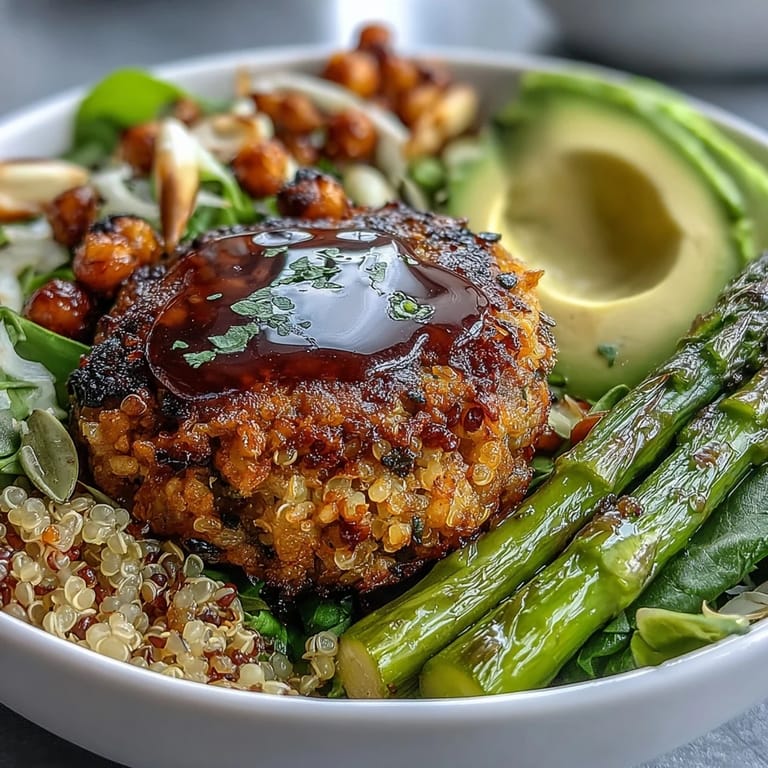
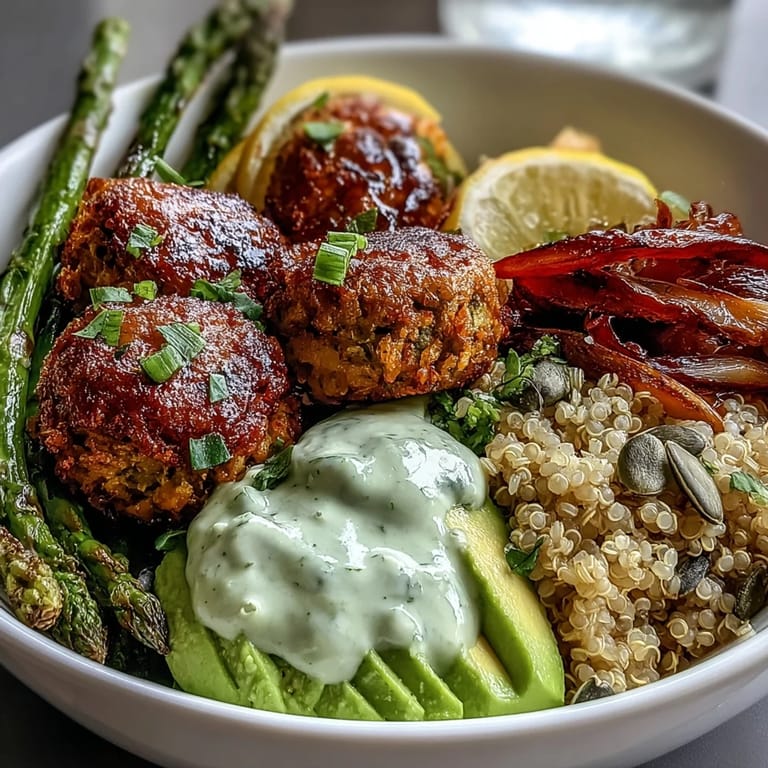
Save There are some meals that just instantly feel like a celebration of color and freshness, and my first attempt at a Spring Buddha Bowl was exactly that. The sizzle from roasting spring vegetables mingled with the citrusy brightness of the lemon-tahini dressing, filling my kitchen with the scent of new beginnings. I wasn't aiming for perfection but simply for something that tasted as lively as a walk through a local farmers’ market. Funny enough, the whole ensemble ended up tasting even better cool, perched at my sunlit table. Each bite felt both nourishing and genuinely fun, reminding me that assembling a bowl can be the opposite of boring.
A couple of springs back, I made these Buddha bowls on a whim for some friends after a misty market morning. There was laughter around the countertop as we shaped slightly lopsided falafel, and every color in the bowl seemed to match someone’s mood for the day. There’s something about standing around with friends, prepping together, that makes even the steps worth remembering. Even the mishaps — a near-miss with spilled tahini, a rogue snap pea rolling to the floor — became little stories we still bring up. And honestly, those imperfect moments only made everything taste brighter.
Ingredients
- Asparagus: To me, no spring bowl feels complete without these tender stalks. Trimmed and cut right before roasting, they soak up oil and seasonings for a sweet-earthy bite.
- Radishes: Halved and roasted, they mellow into something juicy and unexpectedly delicate.
- Baby carrots: Carrots, sliced lengthwise, caramelize beautifully and add cheerful color.
- Sugar snap peas: Their crunch remains even after roasting—just trim the ends for the best texture.
- Olive oil: Use your best for a subtle fruitiness that unites all the veggies.
- Sea salt & black pepper: Sprinkle generously; these basics unlock all the subtle flavors beneath.
- Chickpeas: Drained and ready for falafel, canned saves time and keeps the process weeknight-friendly.
- Onion & garlic: The heart of unforgettable falafel – don’t skimp and don’t worry about chopping them too finely before pulsing.
- Fresh parsley and cilantro: Herbaceous freshness that makes the falafel pop.
- Cumin & coriander: Classic, warming spices that transformed my blandest falafel attempts into successes.
- Baking powder: Learned this the hard way: it’s what keeps falafel light, not dense.
- Flour: Holds things together—chickpea flour for gluten-free, all-purpose otherwise.
- Olive oil (for frying): For the golden exterior on each little patty.
- Cooked quinoa: Or brown rice if you like—grains add body and soak up the dressing.
- Mixed baby greens: Arugula and spinach add pepperiness and softness. I love using whatever greens look happiest that week.
- Cherry tomatoes: A burst of acidity—it’s amazing what halved tomatoes do for the whole mood of a bowl.
- Avocado: Creamy slices mellow the zest and crunch everywhere else.
- Pumpkin seeds: Toasted for subtle nutty flavor and satisfying crunch.
- Tahini: Watch for a natural, runny texture—thick tahini can seize, making the dressing tricky.
- Lemon juice: Brightens everything and makes the dressing sing.
- Maple syrup: A little sweetness evens out the lemon and tahini.
- Minced garlic: For a punch in the dressing; a little goes far.
Tired of Takeout? 🥡
Get 10 meals you can make faster than delivery arrives. Seriously.
One email. No spam. Unsubscribe anytime.
Instructions
- Prep and roast the veggies:
- Crank the oven to 425°F and line your tray. Toss the asparagus, radishes, carrots, and snap peas with olive oil, salt and pepper; spread them out and let the oven do its magic for 18–20 minutes, flipping halfway so every side caramelizes.
- Mix the falafel base:
- While veggies roast, add chickpeas, onion, garlic, parsley, cilantro, cumin, coriander, salt, pepper, and baking powder into your food processor. Pulse until the mixture is rough but holds together, then sprinkle in flour and pulse again—they should form a mixture you can squeeze into little rounds.
- Shape and fry falafel:
- Shape 12 small patties and set them gently on a plate. Heat olive oil in a skillet and fry falafel for 3 to 4 minutes per side, listening for a faint sizzle as they turn golden; drain on towels.
- Make the lemon tahini dressing:
- In a bowl, whisk tahini, lemon juice, maple syrup, water, salt, and the minced garlic until creamy and pourable (add a splash more water if needed for drizzling).
- Assemble and garnish:
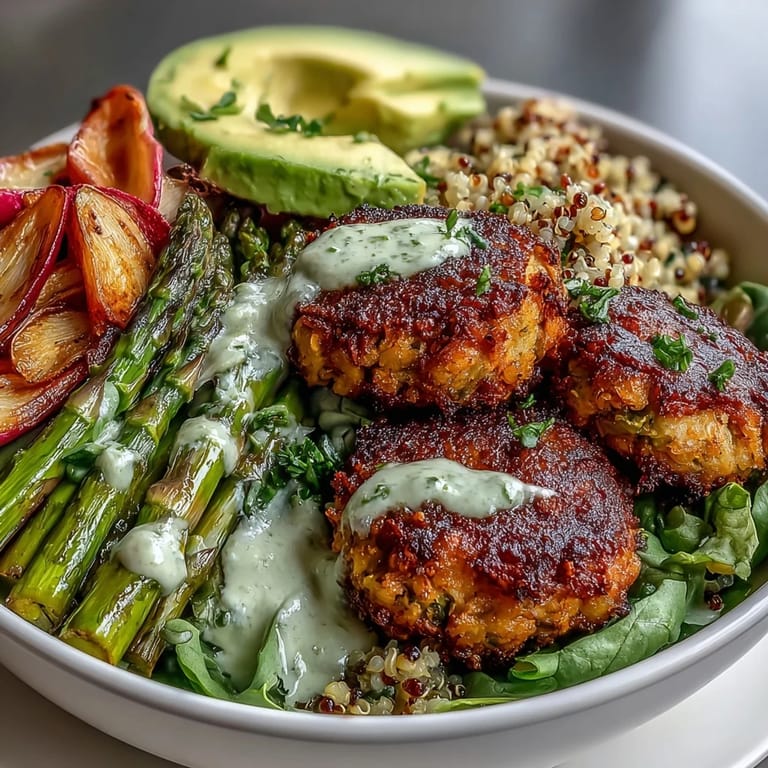
- Divide quinoa among bowls, tuck in baby greens, top with roasted veggies and falafel, sprinkle with cherry tomatoes, avocado slices, and pumpkin seeds, and finish with a generous drizzle of dressing. Grab a fork, because you'll want to mix those layers for the perfect bite.
- Serve:
- Serve immediately—for best flavor and crunch, don't wait around too long.
 Save
Save 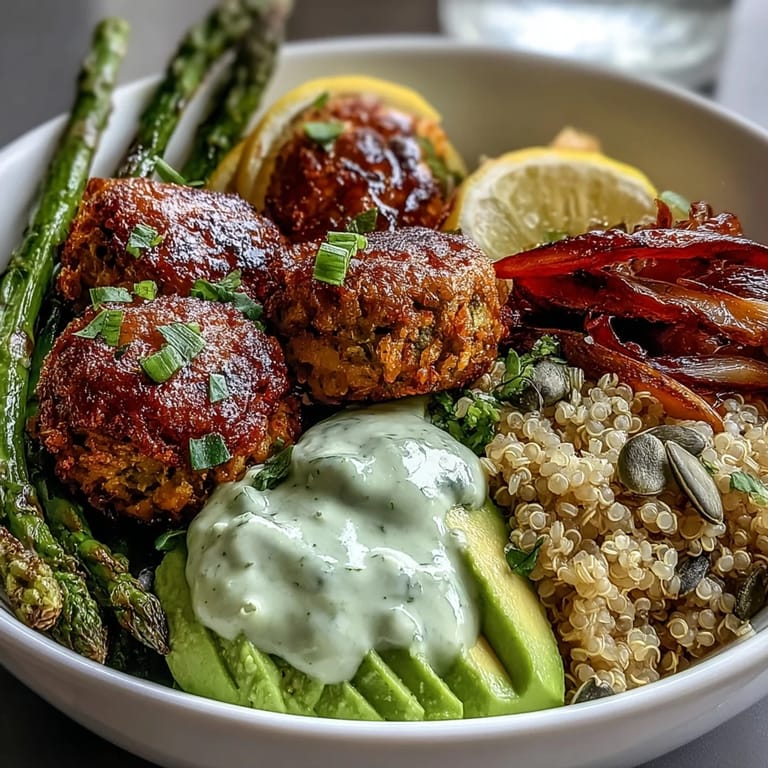 Save
Save Sharing these bowls one breezy evening, I remember how each person customized their own, trading veggies and scooping extra dressing. We talked over clinking glasses, the meal stretching long past sunset, and for once, nobody asked for takeout.
Making the Most of Spring's Produce
Every time I make this recipe, I raid the market for whatever's brightest—purple carrots, pea tendrils, even the occasional golden beet. The trick is to prep everything in uniform pieces so roasting happens evenly, and you get those delicious charred edges without burning anything.
Falafel That Doesn't Crumble
Over-processing the falafel blend can make it dense and pasty; I’ve found quick pulses (not a long blitz) create a rustic texture that fries up perfectly. If you prefer baking to frying, just brush the patties with oil and bake them, but keep an eye out so they don’t dry out.
Dressings and Final Touches
Making the dressing by hand, whisking until glossy, is oddly calming—don’t rush this part. Taste as you go, since lemon and maple can swing things dramatically. When in doubt, drizzle more than you think you need—it pulls the whole dish together every time.
- Save any leftover dressing for salads tomorrow.
- Add hemp seeds or a squeeze of lime for a fun twist.
- Remember: messy bowls taste the best.
 Save
Save 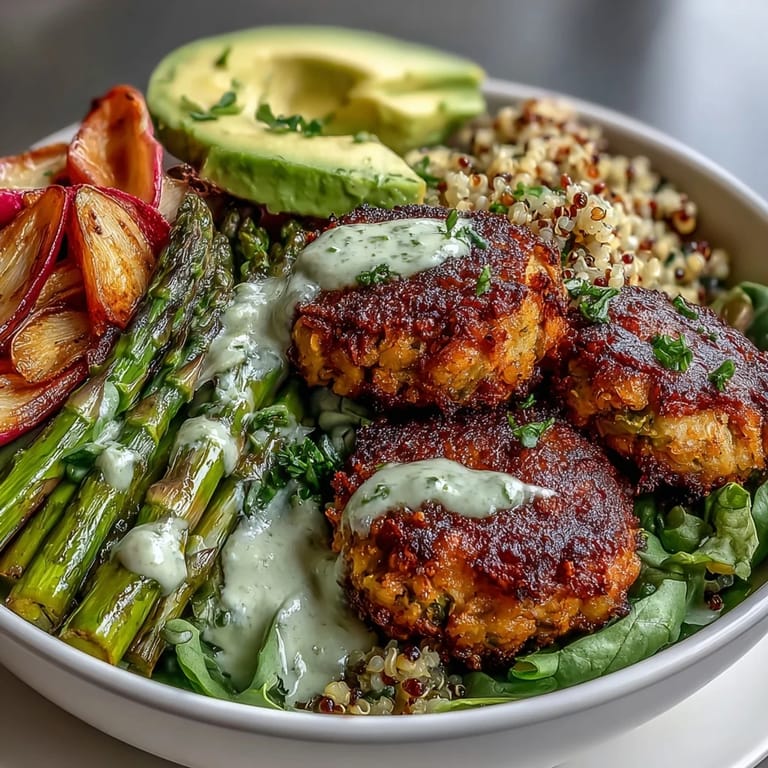 Save
Save I hope you savor the colors and flavors of this bowl as much as you enjoy the calm, satisfying process of making it. May your next kitchen adventure feel just as playful and bright.
Common Questions
- → Can I bake the falafel instead of pan-frying?
Yes. Arrange patties on a lined baking sheet, brush lightly with oil and bake at 400°F (200°C) for 15–20 minutes, flipping halfway, until golden and crisp.
- → What grains work well as a base?
Quinoa and brown rice are great; farro, bulgur or freekeh also pair nicely for a heartier texture. Use cooked, chilled grains to keep the bowl balanced.
- → How do I adjust the dressing consistency?
Thin tahini dressing with water or lemon juice, one teaspoon at a time, until it reaches a pourable but creamy consistency. Warm tahini slightly if it’s very thick.
- → Which seasonal swaps are recommended for spring?
Try roasted baby fennel, young beets, ramps, or thinly sliced kohlrabi. Aim for a mix of tender and slightly caramelized vegetables for contrast.
- → How long will components keep in the fridge?
Cooked falafel keeps 2–3 days refrigerated; roasted vegetables and cooked grains last 3–4 days if stored separately in airtight containers to preserve texture.
- → Any tips to make the bowl gluten-free?
Use chickpea flour or another certified gluten-free binder in the falafel and stick to gluten-free grains like quinoa. Always confirm labels on packaged ingredients.