 Save
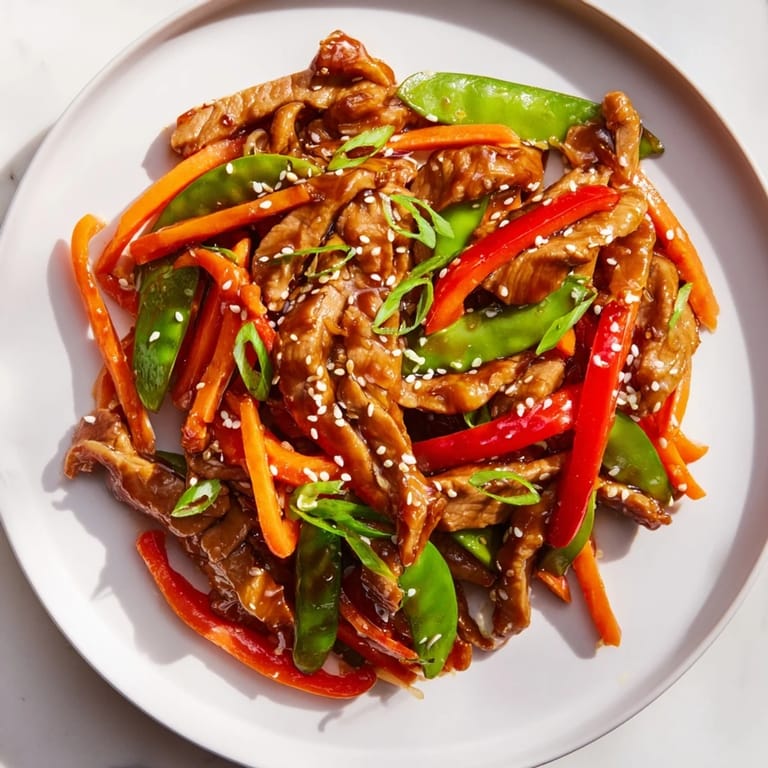
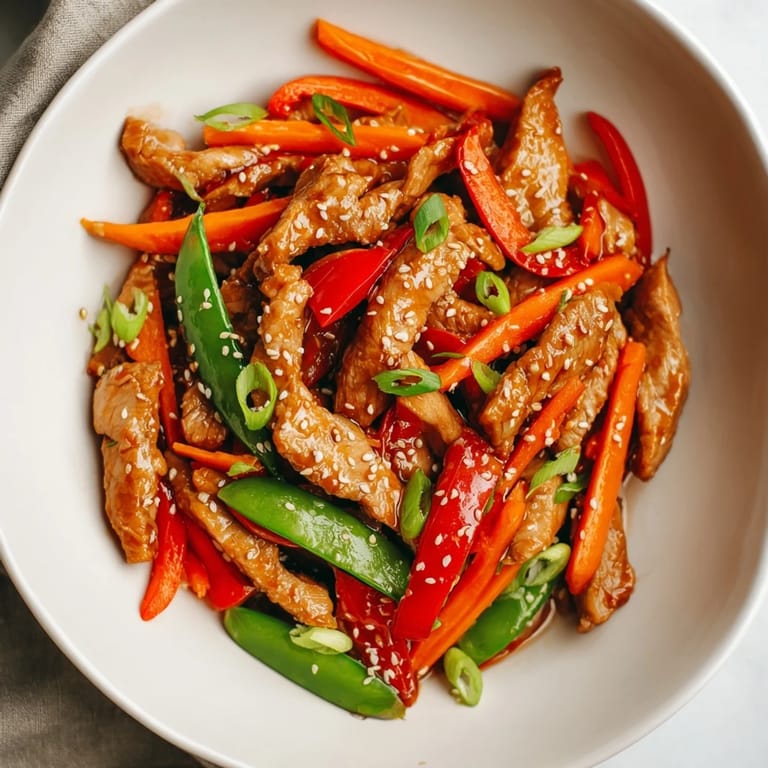
Save There's something almost meditative about the sound of a hot wok—that sharp sizzle when the pork hits the oil, followed by the gentle tumble of vegetables. I discovered this teriyaki stir-fry on a Wednesday night when I had twenty minutes and a craving for something that felt both comforting and alive on the plate. The glossy sauce clings to everything, catching the light like lacquer, and the whole kitchen fills with this warm, gingery sweetness that makes you forget you're cooking on a weeknight at all.
I made this for my partner on a night when we were both too tired to order takeout, and something shifted when we sat down with those glossy bowls. The pork was so tender it practically melted, and the vegetables still had this bright snap to them. We kept saying things like "this is restaurant-quality" between bites, and honestly, there was something special about that moment—just two people, a simple stir-fry, and the kind of quiet satisfaction that comes from food made with intention.
Ingredients
- Pork tenderloin: Buy the best you can afford and slice it yourself—it's thinner and more tender than pre-cut, and it cooks faster.
- Red bell pepper: The sweetness balances the umami of the sauce, and it stays crisp if you don't overcook it.
- Snap peas: These keep their crunch even in the sauce, which matters for textural contrast.
- Carrot: Julienned thin so it cooks quickly without turning mushy—a sharp knife is your friend here.
- Green onions: Split the amount: half goes in at the end for heat and brightness, half stays raw for garnish.
- Garlic and ginger: Mince these fine—they bloom in those few seconds of heat and perfume the entire dish.
- Low-sodium soy sauce: The "low" matters because the sauce will concentrate as it thickens.
- Mirin: This sweet rice wine is what gives teriyaki its signature gloss; there's no real substitute.
- Brown sugar or honey: Honey dissolves faster and adds a subtle floral note if you want to experiment.
- Rice vinegar: A whisper of acidity that keeps the sauce from becoming cloying.
- Cornstarch: The thickener that creates that glossy coat—mix it with cold water first or it will clump.
- Sesame oil: Just a teaspoon for depth; this is a flavor accent, not a cooking oil.
- Vegetable oil: Use something high-heat tolerant—I prefer grapeseed or avocado oil.
- Sesame seeds: Toast them lightly if you have time; they taste sweeter and more alive.
Tired of Takeout? 🥡
Get 10 meals you can make faster than delivery arrives. Seriously.
One email. No spam. Unsubscribe anytime.
Instructions
- Make the sauce first:
- Whisk together soy sauce, mirin, brown sugar, rice vinegar, cornstarch mixed with cold water, and sesame oil in a small bowl. This is your moment to taste and adjust—too sweet, add more vinegar; too salty, add a splash of water. Set it aside so the cornstarch can fully hydrate.
- Sear the pork:
- Heat one tablespoon of oil in a large wok or skillet over medium-high heat until it just barely smokes. Add pork slices in a single layer and let them sit undisturbed for 1–2 minutes until the bottom develops color, then toss and cook another 2 minutes. You want the outside golden but the inside still tender—don't crowd the pan or the pork will steam instead of sear.
- Build the vegetable base:
- Add the remaining oil to the pan, then add bell pepper, snap peas, and carrot all at once. Keep everything moving—this takes just 2–3 minutes and your goal is crisp-tender, that moment when they're cooked but still have personality.
- Add aromatics:
- Toss in garlic, ginger, and half the green onions. Stir constantly for about 30 seconds; you'll smell when it's right—it should be fragrant and alive, not burnt or bitter.
- Bring it together:
- Return the pork to the pan, give the teriyaki sauce a quick stir (the cornstarch settles), and pour it over everything. Toss constantly for 1–2 minutes as the sauce thickens and clings to every surface, creating that glossy lacquer finish.
- Finish and serve:
- Remove from heat immediately once the sauce coats everything evenly. Garnish with sesame seeds and raw green onions, then serve over steamed rice or noodles while everything is still hot and the vegetables are at their crispest.
 Save
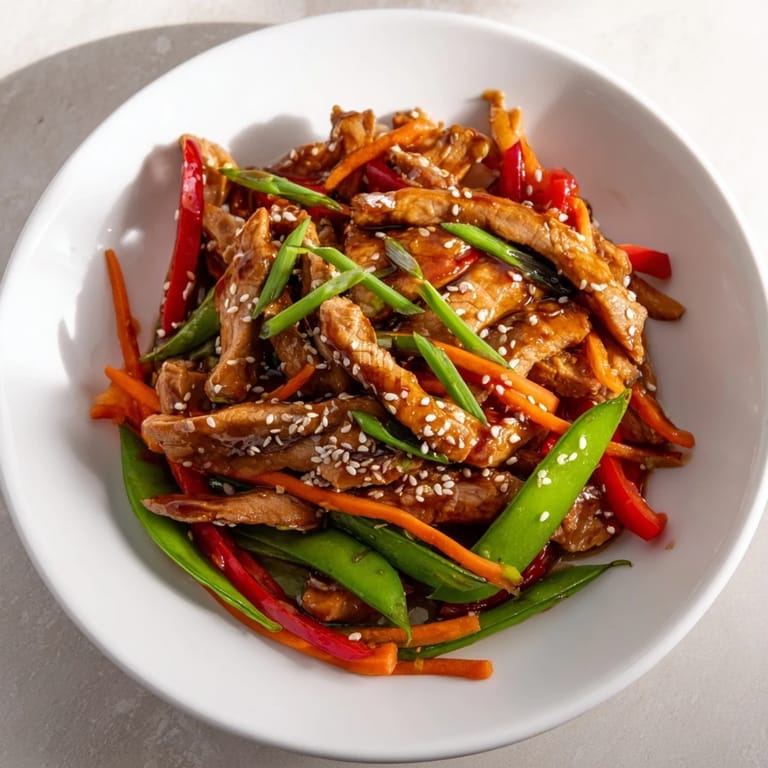
Save What stays with me about this dish is how it turned a tired evening into something worth remembering—not fancy, just honest and immediate. That's the real magic of a good stir-fry, the way it asks so little of you and gives back so much.
Why This Works as Weeknight Dinner
The beauty of stir-fry is that every component cooks while you watch, so there are no hidden surprises. Pork tenderloin is forgiving—it goes from raw to perfectly cooked in minutes, and unlike chicken, it doesn't dry out if you add thirty seconds longer. The vegetables are meant to stay crisp, so if anything, erring on the slightly underdone side is better than overcooking them into submission.
Customizing Without Losing the Plot
Chicken thighs work beautifully here and stay juicier than breast meat. Tofu is wonderful if you press it first and let it sear until it's golden on the edges—it absorbs the teriyaki sauce like a sponge. Broccoli, mushrooms, and bok choy are all excellent additions; just make sure everything is cut to similar sizes so nothing lags behind in the heat. The sauce scales easily, so if you're adding more vegetables, you might need a touch more liquid.
Building Flavor in Real Time
The secret to great stir-fry lives in understanding your heat and your timing. The pan should be hot enough that oil shimmers and moves, and everything should cook quickly—slow stir-fry isn't really stir-fry. Taste the sauce before you pour it in; this is your last chance to adjust seasoning when nothing is hot and splashing. The thirty seconds you spend on garlic and ginger is worth it; this is where the dish goes from good to memorable.
- If the sauce seems thin after thickening, you can always simmer it one more minute while everything is combined.
- Save a handful of raw green onions for garnish—they bring brightness that cooked ones can't.
- Serve immediately over hot rice or noodles so the sauce is still glossy and alive on the plate.
 Save
Save This is the kind of dish that sits on the table looking generous and golden, ready to feed the people you care about without any fuss. Make it once, and it becomes part of your regular rotation—the reliable friend you call on when you want something that feels special but doesn't ask too much of you.
Common Questions
- → What cut of pork works best for this dish?
Thinly sliced pork tenderloin is ideal for quick, even cooking and tender texture in this stir-fry.
- → Can I substitute any vegetables?
Yes, broccoli, mushrooms, or bok choy make excellent additions or alternatives to red bell peppers and snap peas.
- → How do I thicken the sauce properly?
A mixture of cornstarch and cold water added to the sauce while cooking helps achieve a glossy, thick glaze.
- → What oil is best for stir-frying?
Vegetable oil is recommended for its high smoke point, perfect for quick stir-frying over high heat.
- → Is there a gluten-free option for the sauce?
Yes, replacing soy sauce with tamari ensures the sauce is gluten-free without compromising flavor.