 Save
Save There's something almost meditative about watching onions soften in butter and broth, the way they lose their sharpness and become impossibly tender. I stumbled onto this dish on a quiet Tuesday evening when I had nothing but pantry staples and a vague craving for something both comforting and unusual. The kitchen filled with the smell of caramelizing garlic and toasted paprika, and somehow that simple simmering pot became the entire evening—no rush, just time and heat doing their patient work.
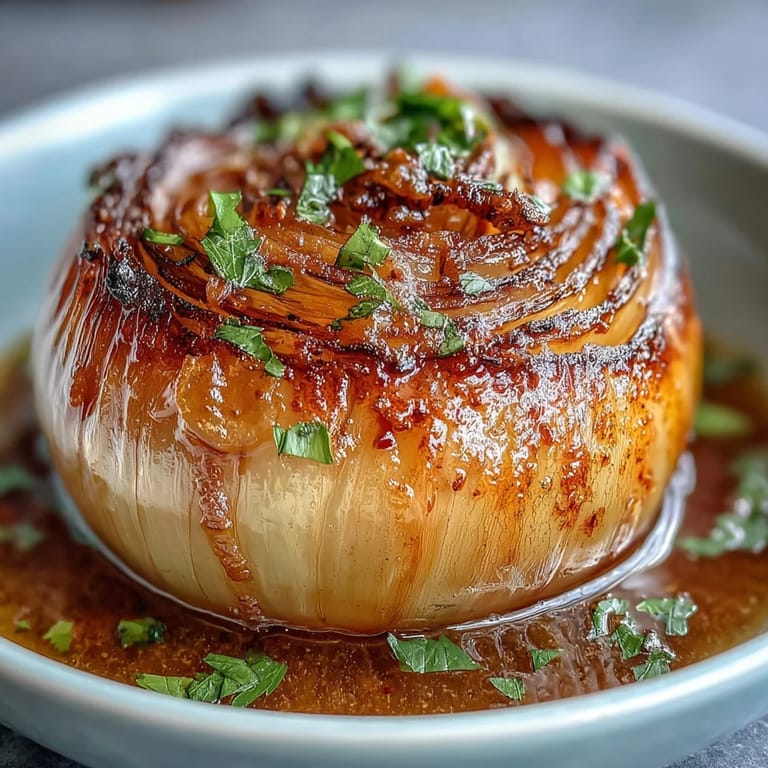
My partner was skeptical when I served bowls of what looked like just boiled onions, but the moment they tasted that buttery, herbaceous broth and bit into an onion that had gone sweet and yielding, something shifted. They pulled out their phone to record the crispy edges and the way the onion broke apart, and that's when I realized this wasn't just dinner—it was an experience designed to be savored, heard, and maybe even shared.
Ingredients
- Small yellow onions (8, peeled): Smaller onions cook evenly and become creamy rather than mushy; peeling them while they're raw is easier than you'd think if you blanch them briefly first.
- Unsalted butter (2 tbsp): The butter carries the flavor of the garlic and paprika, so good quality makes a real difference—it's the bridge between raw and rich.
- Vegetable broth (4 cups): The foundation of everything; low-sodium broth gives you control over salt levels and lets the onion sweetness come through.
- Garlic cloves (4, smashed): Smashing releases the oils and mellows the sharpness; they'll infuse the entire broth with subtle savory warmth.
- Bay leaf and fresh thyme (1 of each): These are your aromatics, adding depth without being loud; don't skip them, but do remember to fish them out before serving.
- Black peppercorns (½ tsp): Whole peppercorns release their heat slowly, building flavor as they float through the broth rather than creating harsh pepper notes.
- Smoked paprika (½ tsp): This is the secret that makes people ask what you did differently; it adds color, warmth, and a whisper of smoke without overpowering the onion.
- Salt (½ tsp, adjusted to taste): Start low and taste as you go—onions release liquid as they cook, which can concentrate saltiness.
- Fresh parsley and chives (optional): A bright finish that cuts the richness and makes each spoonful feel intentional rather than heavy.
Tired of Takeout? 🥡
Get 10 meals you can make faster than delivery arrives. Seriously.
One email. No spam. Unsubscribe anytime.
Instructions
- Melt butter and bloom the garlic:
- Set a large pot over medium heat and let butter melt slowly—you want it foaming and golden, not brown. Add your smashed garlic and listen for that gentle sizzle; it should smell irresistible within 30 seconds or so.
- Coat the onions:
- Nestle your peeled onions into the buttery pot, turning them gently so each one gets coated. This takes just a few minutes, but it's worth doing slowly—you're building flavor, not rushing.
- Build the broth:
- Pour in the vegetable broth, then add your bay leaf, thyme, peppercorns, paprika, and salt. Give it a gentle stir and let the spices drift through the liquid.
- Simmer low and slow:
- Bring everything to a boil so you see active bubbles, then immediately turn the heat down to a gentle simmer and cover the pot. The onions need 25 to 30 minutes of patient, quiet cooking—check once or twice by piercing an onion with a knife to test tenderness.
- Remove aromatics and taste:
- Fish out the bay leaf and thyme sprig using a spoon or small tongs. Taste the broth now; it might need more salt, and that's fine—adjust to your preference.
- Serve and savor:
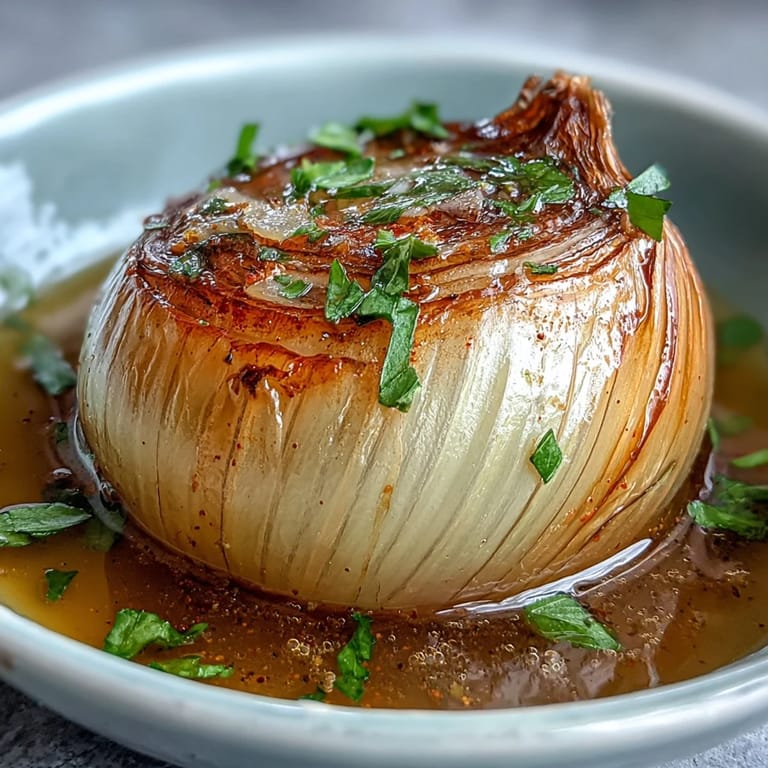
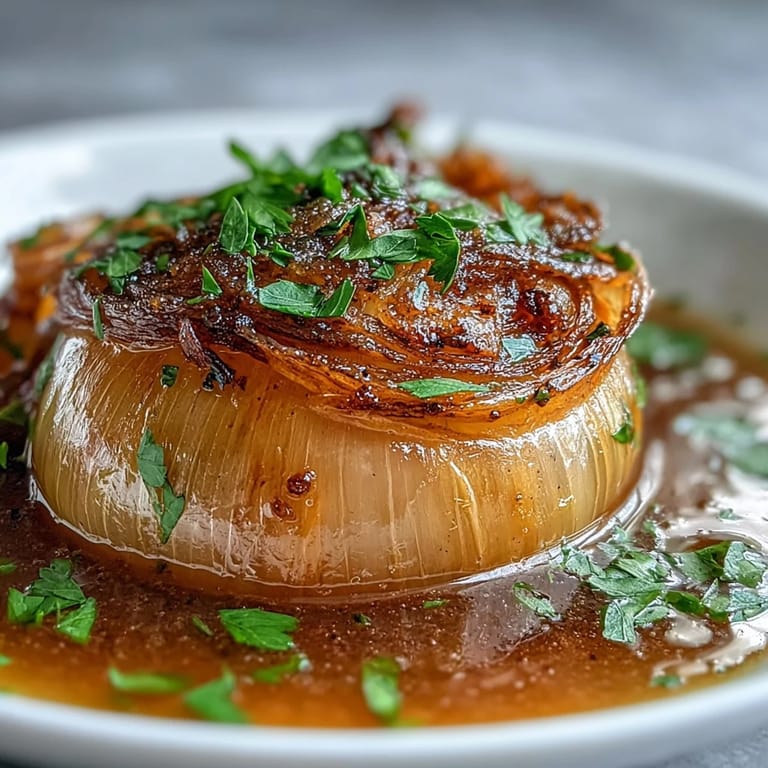
- Ladle whole onions into bowls with plenty of broth, letting the liquid pool around them. Finish with a scatter of parsley and chives, then eat slowly, with a spoon for broth and a fork to break apart the tender onion layers.
 Save
Save There was a moment, maybe three weeks after making this for the first time, when a friend going through a rough stretch asked if she could come over, and somehow this felt like exactly what to make. We ate in near silence at first, just the quiet clink of spoons and the sound of broth being sipped, and then slowly the conversation came back—softer, gentler, less urgent. A bowl of tender onions shouldn't have that power, but it did.
When to Make This Dish
Onion boil belongs on your table when you want to slow down, when you're cooking for one person or a small group who appreciates texture and sound, or when you need the kitchen to smell like something warm while you think. It's not a weeknight side dish—it's a moment you create. Evening light, maybe a candle, a quiet radio in the background.
How to Customize Without Losing the Soul
The bones of this recipe are strong enough that they can hold additions without falling apart. A splash of dry white wine before simmering deepens everything, adding a subtle brightness that plays beautifully with the paprika. Root vegetables like carrots or small potatoes can join the onions without making it feel chaotic—just add them with the broth and give them a few extra minutes if they're bigger than you'd like. Even fresh herbs can shift based on what you have; tarragon is wonderful here, as is dill, though more delicate than thyme.
- Crusty bread for soaking up broth transforms the dish from snack to light meal.
- A splash of white wine or light stock concentrate adds complexity without changing the essential character.
- Serving in a shallow bowl rather than a deep one makes the whole onion landscape visible—presentation matters when you're eating with your ears as much as your mouth.
Making It Work for Your Dietary Needs
The beauty of this recipe is that it's already vegetarian and gluten-free as written—all the flavors come from vegetables and spices, not from hidden ingredients or thickeners. If you're vegan, swap the butter for good plant-based butter and use vegetable broth (which you're already doing), and the dish loses nothing. Double-check your broth label for anything you need to avoid; sometimes broths sneak in things you don't expect, and it's worth a 30-second read.
The Secret Is Presence
This is not a dish you can make carelessly and still appreciate fully. It asks you to be in the kitchen, to smell what's happening, to taste and adjust, to sit down and eat without multitasking. That's not a flaw—it's the point. The ASMR aspect people talk about isn't about recording it for the internet; it's about experiencing your own food in a deliberate, almost ceremonial way.
- If you're making this for the sound and texture, use a ceramic spoon—the different materials interact in surprisingly satisfying ways.
- Serving at a low, flat dining surface rather than at a high kitchen counter changes the acoustics and your experience completely.
- Remember that onions continue cooking slightly after you turn off the heat, so it's better to stop a minute early than to break them apart by overcooking.
 Save
Save Make this when you want to remember that food is more than fuel, that a simple bowl of tender vegetables and fragrant broth can be a small act of care toward yourself or someone else. You'll find yourself making it again.
Common Questions
- → What type of onions work best for this dish?
Small yellow onions are ideal as they become tender and absorb the broth's flavor beautifully.
- → Can I make this dish vegan-friendly?
Yes, substitute the unsalted butter with a plant-based alternative to keep it vegan and dairy-free.
- → How long should the onions simmer?
The onions need to simmer gently for 25 to 30 minutes until tender when pierced with a knife.
- → What herbs enhance the flavor in this preparation?
Fresh parsley and chives make excellent garnishes, while bay leaf and thyme flavor the broth during cooking.
- → Is there a way to enrich the broth’s taste?
Adding a splash of dry white wine before simmering intensifies the broth's aroma and depth of flavor.