 Save
Save I'll never forget the first time I discovered the magic of umami at a small izakaya in Tokyo. A chef friend arranged a simple wooden board with nothing but mushrooms, seaweed, and a few fermented touches, and it transformed how I understood flavor entirely. That memory sparked an obsession that led me to create this board, where every single ingredient was chosen because it whispers that same umami secret. Now, whenever I arrange these overlapping fans of textures and depths, I'm transported back to that moment of culinary awakening.
I served this board at a dinner party last spring when a friend was going through a tough time, and watching her face light up as she discovered the fermented black beans tucked beside the cashews reminded me that food is never just sustenance. It's about creating moments where people feel seen and cared for through flavors that make them feel something.
Ingredients
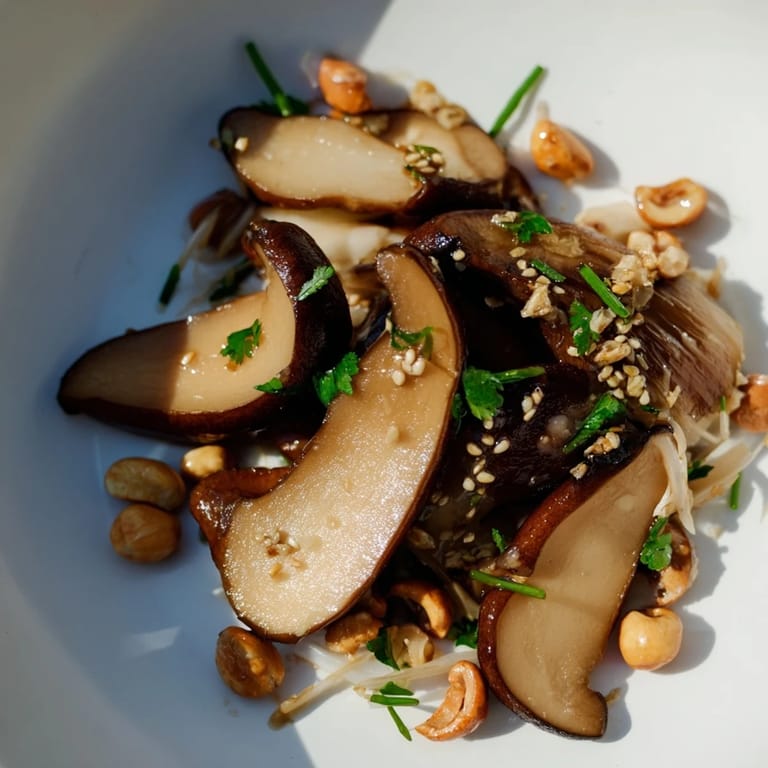
- Shiitake and king oyster mushrooms (350 g combined): These are your umami backbone, packed with glutamates that create that deeply satisfying savory taste. Slice them thick enough to catch color but thin enough to cook evenly in just a few minutes. I learned the hard way that paper-thin slices disappear into nothing, while generous cuts still hold their bite.
- Enoki mushrooms (100 g): Their delicate, slightly sweet nature balances the earthiness and adds an elegant visual thread. A quick 30-second blanch is all they need to become tender without turning to mush.
- Sesame oil (1 tbsp): This is liquid gold in Asian cooking, and a little goes beautifully far. It adds nutty richness and keeps your mushrooms from sticking.
- Soy sauce or tamari (1 tbsp): The bridge between ingredients, connecting all those umami notes. Use tamari if you're serving anyone avoiding gluten.
- Mirin (1 tsp, optional): A whisper of sweetness that rounds out the salty-savory edges and makes the mushrooms glossy and appealing.
- Roasted seaweed snacks (8-10 sheets): Crispy, salty, and packed with umami from the ocean. Arrange them in fans because when food looks intentional, it tastes better.
- Seaweed salad (50 g): This adds moisture and a briny depth that plays beautifully against crunchy elements.
- Nori strips (from 1 sheet): Cut them just before serving so they stay crisp, otherwise they'll soften from the moisture of nearby ingredients.
- Pickled daikon and ginger (100 g each): These bright, acidic elements cut through richness and wake up your palate between bites. The acidity is as important as the umami.
- Edamame (60 g): A pop of green, a hint of sweetness, and a protein boost that makes this feel substantial enough for a light meal.
- Black garlic (40 g): If you've never encountered this, prepare to be amazed. It's sweet, molasses-like, and umami-packed. It transformed my understanding of what garlic could be.
- Fermented black beans (40 g): Rinse them well to remove excess salt, then taste them. You'll understand why they're a cornerstone of umami cooking.
- Roasted cashews or peanuts (80 g): Crunch is essential, and nuts add richness that keeps your mouth wanting more. I prefer cashews for elegance, but peanuts work beautifully if that's what you love.
- Fried shallots (40 g): These deliver texture and a sweet-savory note that makes everything feel finished and restaurant-quality.
- Fresh coriander and chives: These herbs add brightness and prevent the board from feeling too heavy. Pick the coriander leaves right before serving so they stay perky.
- Red chili (1, optional): A thin scatter of heat that makes people lean in and notice the complexity.
- Ponzu sauce and spicy sesame dressing (60 ml each): These are your final flavor anchors. Ponzu adds citrus and umami, while the sesame dressing brings nutty richness and gentle heat.
Tired of Takeout? 🥡
Get 10 meals you can make faster than delivery arrives. Seriously.
One email. No spam. Unsubscribe anytime.
Instructions
- Heat and sauté your mushroom stars:
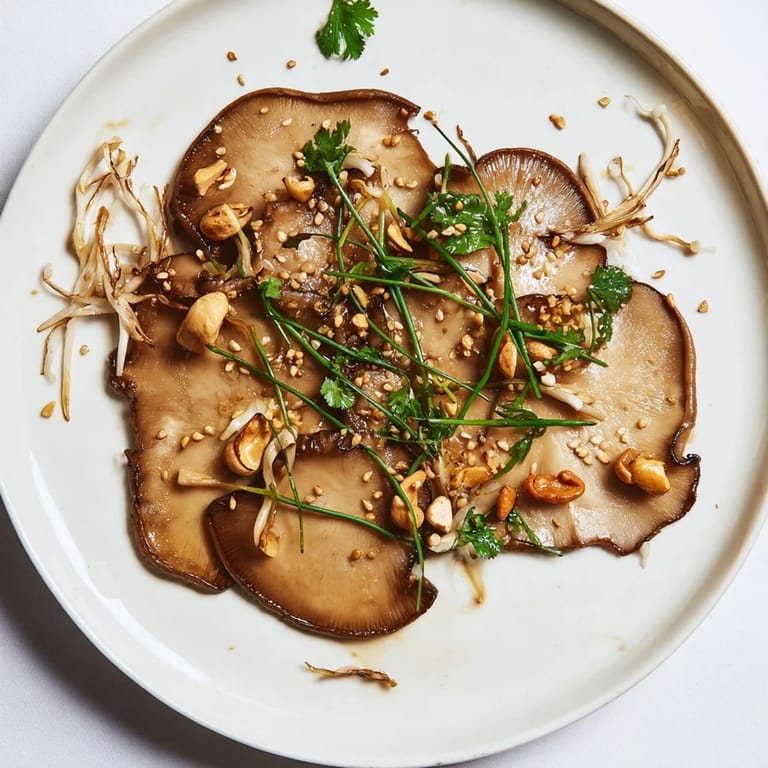
- Pour that sesame oil into a skillet over medium-high heat and listen for the quiet sizzle. When you add the sliced shiitake and king oyster mushrooms, you're looking for them to turn golden brown at the edges, which takes about 4 to 5 minutes. Don't stir constantly, let them sit in the heat long enough to develop color. Then add soy sauce and mirin, toss everything together, and cook for just one more minute. The kitchen will smell incredible at this point. Remove from heat and let them cool completely on a clean plate so they hold their shape on your board.
- Quick blanch the delicate enoki:
- Bring a small pot of water to a rolling boil. Drop in your enoki mushrooms for exactly 30 seconds, then immediately drain them in a fine-mesh strainer. Let them cool while you prep the rest, or run them under cool water if you're in a hurry.
- Begin your artistic foundation:
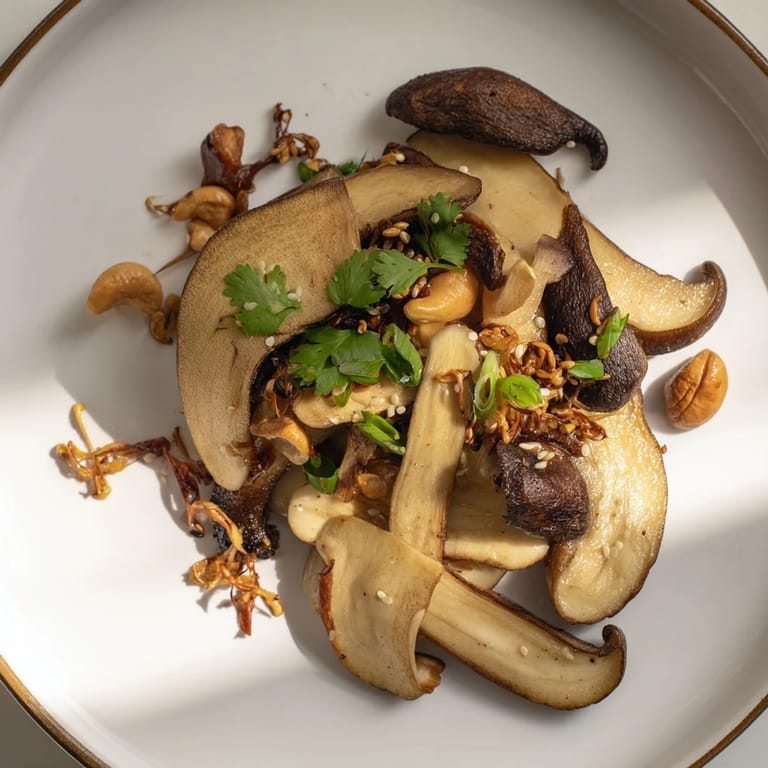
- On your largest board or platter, arrange your cooled mushrooms in overlapping fan shapes. Start from one side and work across, letting each slice slightly overlap the last. Think of it like laying roof shingles, but more beautiful and entirely edible. The fans should look dramatic and intentional.
- Create additional fans with lighter ingredients:
- Between your mushroom fans, arrange the roasted seaweed snacks, nori strips, and seaweed salad in similar fan patterns. These will introduce color contrast and different textures. Seaweed is naturally beautiful when arranged with intention.
- Fill in your umami landscape:
- In the remaining spaces, create small, neat piles of pickled daikon, pickled ginger, edamame, black garlic cloves, and fermented black beans. Think of these as flavor jewels scattered across a canvas. Keep colors grouped to create visual interest, not a confetti effect.
- Scatter your textures and garnish:
- Now comes the part that makes everyone stop and stare. Sprinkle roasted cashews or peanuts in little clusters, scatter fried shallots across the board, and finish with fresh coriander leaves and chopped chives. If you're using chili, slice it thin and place it where guests can see it and choose how much heat they want. This is where the board transforms from lovely into show-stopping.
- Anchor with your dipping sauces:
- Pour ponzu sauce and spicy sesame dressing into small bowls and nestle them into gaps in the board, or place them on the side. They should feel like part of the presentation, not afterthoughts.
- Serve and encourage exploration:
- Present this board to your guests right away, while everything is at its freshest and most beautiful. Invite them to combine flavors as they wish, to dip as they please, and to discover their own favorite combinations. That permission to play is what makes a board special.
 Save
Save There's something almost meditative about arranging this board, and I realized that during the pandemic when cooking became my quiet refuge. The repetitive motion of overlapping fans, the care of placing each component exactly where it could be discovered and appreciated, turned meal prep into something closer to art. My teenager, who usually slides food in his mouth without comment, actually paused during this board and said it was too pretty to eat. Then he ate three plates.
The Art of Umami Balance
Umami isn't just one flavor, it's a conversation between ingredients. I used to think it was only about soy sauce or miso, but this board taught me that umami comes from mushrooms, fermented foods, aged ingredients, and even the browning of vegetables through heat. The black garlic and fermented beans add umami in a subtle, sophisticated way that makes people wonder what makes the flavors so satisfying. When you arrange all these umami sources together, they don't compete, they harmonize. This is why even though there's no meat on this board, it feels substantial and deeply nourishing.
Playing with Textures and Temperatures
One of my favorite discoveries was that temperature contrast makes this board more interesting than if everything were room temperature. The cool pickled vegetables against warm mushrooms, the crispy seaweed next to tender edamame, the crunch of cashews beside the soft black garlic, these contrasts wake up your senses. You're not just eating flavors, you're experiencing them with your whole mouth. This is why I always serve the board immediately rather than making it an hour ahead. Everything should be at peak freshness and its ideal temperature.
Customizing Your Board
The beauty of this board is that it's entirely flexible while still maintaining its umami soul. I've made it with different mushroom varieties, added grilled tofu or marinated tempeh for extra protein, and even swapped roasted cashews for macadamia nuts when that's what I had. The bones of the dish are mushrooms, seaweed, umami accents, crunch, and fresh herbs. As long as you keep those elements, you can make this board entirely your own. I once added miso-roasted chickpeas instead of regular roasted nuts and it was magnificent.
- Substitute portobello or maitake mushrooms if that's what your market offers, just keep them sliced and sautéed
- For vegan adaptations, simply ensure your soy sauce is tamari, and double-check that your seaweed snacks are made without fish-based seasonings
- Pair this board with cold sake, chilled green tea, or even a crisp white wine if that's your preference
 Save
Save Making this board is less about following a recipe and more about creating an experience. It's an invitation to slow down, to taste intentionally, and to understand that the most satisfying meals don't need to be complicated. Your friends will talk about this board for months.
Common Questions
- → What mushrooms work best for this dish?
Shiitake, king oyster, and enoki mushrooms provide a deep, earthy flavor and varied texture ideal for this composition. You can substitute with portobello or maitake if preferred.
- → How should the mushrooms be prepared?
Shiitake and king oyster mushrooms are sautéed in sesame oil with soy sauce and mirin until golden, while enoki mushrooms are blanched briefly to retain their delicate texture.
- → What are good dipping sauces to accompany this board?
Ponzu sauce and spicy sesame dressing complement the umami and add refreshing and spicy notes, enhancing the overall flavor experience.
- → Can this be adapted for a vegan diet?
Yes, ensure all sauces and pickled ingredients are plant-based and consider adding grilled tofu or marinated tempeh for extra protein.
- → How can the presentation be enhanced?
Arrange ingredients in overlapping fans and use vibrant garnishes like coriander, chives, fried shallots, and chili slices to create visual interest and texture contrast.
- → What allergens are involved in this dish?
Common allergens include soy, nuts (cashews or peanuts), and sesame. Check labels carefully, especially for gluten in some soy sauces and seaweed snacks.