 Save
Save My friend called me three weeks before her graduation, voice shaking with excitement, asking if I could bake her something special for the celebration dinner. She wanted elegance, she wanted drama, she wanted people to gasp when it arrived at the table. I'd never made a white chocolate drip cake before, but something about the challenge thrilled me—the idea of those delicate streams cascading down pristine buttercream, crowned with glittering gold accents. That conversation sparked weeks of kitchen experiments, failed drips, and finally, this recipe that became the showstopper moment of her evening.
I'll never forget watching my friend's face light up as this cake rolled into her backyard garden party on a July afternoon. The sun caught the gold leaf perfectly, and for a moment, everything went quiet—just the clink of champagne glasses and the soft gasps of her family. That's when I realized this cake had become more than dessert; it was the edible version of a milestone, something beautiful enough to mark the exact moment before everything changed.
Ingredients
- All-purpose flour (2 ½ cups): The foundation of your sponge; I learned to sift it separately from the baking powder to avoid lumps that hide until you bite into them.
- Baking powder (2 ½ tsp): This ratio creates that cloud-like crumb without making the cake taste metallic or dense.
- Salt (½ tsp): Don't skip it—salt deepens vanilla flavor in ways you won't consciously notice but will absolutely taste.
- Unsalted butter (1 cup for sponge, 1 cup for buttercream): Room temperature is non-negotiable; cold butter won't incorporate properly and you'll end up with a grainy, separated mess.
- Granulated sugar (2 cups): This creates the tender crumb; using less will make the cake dry, using more makes it gummy.
- Eggs (4 large, room temperature): Temperature matters enormously here—cold eggs won't emulsify properly with the butter and sugar.
- Pure vanilla extract (1 tbsp plus 1 tsp): The soul of this cake; if you can find vanilla bean paste, add an extra teaspoon to the batter for a speckled, restaurant-quality finish.
- Whole milk (1 cup, room temperature): The moisture that keeps these layers tender; I learned this the hard way when I once used cold milk and ended up with a dense cake.
- Powdered sugar (4 cups, sifted): Sift it before measuring or your buttercream will taste gritty—yes, this actually matters.
- White chocolate (6 oz melted for buttercream, 6 oz chopped for drip): Quality matters here since white chocolate lacks cocoa solids to cover inferior ingredients; splurge on a decent brand.
- Heavy cream (2–3 tbsp for buttercream, ¼ cup for drip): Adds silkiness and helps you adjust consistency; start with less, add more if needed.
- White chocolate crispy pearls or malt balls: These become your edible gold balloons, and using malted versions adds subtle flavor depth.
- Edible gold spray or luster powder: The finishing touch that transforms pearl candies into celebration; apply in thin coats or the effect looks artificial.
Tired of Takeout? 🥡
Get 10 meals you can make faster than delivery arrives. Seriously.
One email. No spam. Unsubscribe anytime.
Instructions
- Set your stage:
- Preheat your oven to 350°F and prepare three 8-inch round pans with parchment paper; this prep work takes ninety seconds and prevents the panic of scrambling once you've started mixing. Making sure everything is ready before you begin is the difference between a smooth baking day and one where you're rushing.
- Combine the dry ingredients:
- Whisk flour, baking powder, and salt together in a medium bowl until they're evenly distributed. This ensures your leavening agent disperses evenly rather than creating pockets of metallic taste in random bites.
- Cream butter and sugar until clouds form:
- Beat them for about three minutes—you're looking for a pale, fluffy texture that's almost doubled in volume and looks like wet sand. Don't rush this step; proper creaming incorporates air that becomes structure in your baked cake.
- Add eggs with patience:
- Drop in one egg at a time, beating well between additions so each one fully incorporates. If you dump all four in at once, the mixture can look curdled and separated, which compromises the tender crumb you're after.
- Alternate flour and milk, starting and ending with flour:
- On low speed, add a third of the flour mixture, then half the milk, then another third of flour, then remaining milk, then final flour portion. This creates a gentle incorporation that protects the air bubbles you've worked so hard to build.
- Divide and bake with confidence:
- Pour batter evenly among the three pans and smooth the tops so they bake at the same rate. Bake for 30–35 minutes until a toothpick comes out clean—ovens vary, so start checking at 30 and don't panic if yours takes a few minutes longer.
- Cool with intention:
- Let cakes rest in their pans for ten minutes to set, then turn them out onto wire racks to cool completely. Cooling completely before frosting is crucial; warm cake melts frosting into a sliding mess.
- Beat buttercream into silky luxury:
- Start with softened butter beaten smooth, gradually add sifted powdered sugar, then pour in your cooled melted white chocolate and vanilla. Add cream a tablespoon at a time until you reach spreadable consistency; it should look silky and hold a peak, not grainy or loose.
- Layer with the crumb coat technique:
- Place your first cake layer on the serving plate, spread with buttercream, repeat with second layer, then add your final layer. Cover the entire cake in a thin coat of frosting and chill for 30 minutes so the cake doesn't crumble when you apply the final thick layer.
- Apply your final frosting coat:
- Use an offset spatula dipped in warm water to smooth and even out your buttercream; this creates the canvas for your drip. Take your time here because this layer is what everyone will see and remember.
- Create the white chocolate drip magic:
- Heat cream until it steams, pour it over chopped white chocolate, wait one minute, then stir until perfectly smooth and glossy. Let it cool to room temperature so it drips at the right consistency—too warm and it runs off the cake entirely, too cool and it breaks into chunks.
- Drip with artistic abandon:
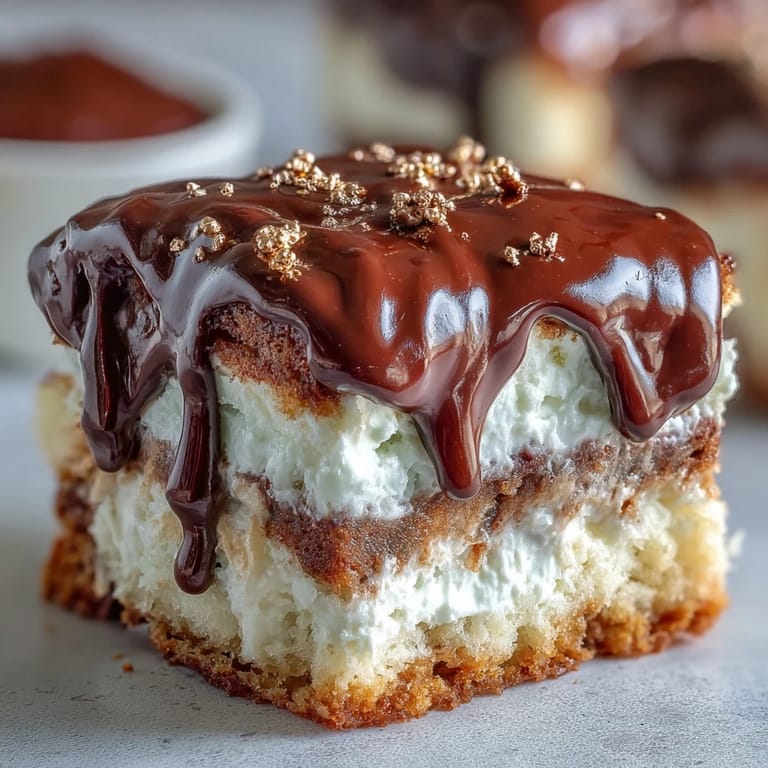
- Using a spoon or squeeze bottle, let white chocolate cascade around the top edge like a waterfall, then fill and smooth the center. The imperfect drips are what make it look homemade and beautiful rather than sterile and store-bought.
- Prepare your gold balloon crowns:
- Spray crispy pearls with edible gold in thin coats and let them dry completely before inserting toothpicks or cake wires. Cluster them on top in a festive arrangement that makes the cake unmistakably celebratory.
- Chill and serve with ceremony:
- Refrigerate until party time, then bring to room temperature for 30 minutes before slicing so flavors and textures shine. Cold cake tastes muted; room temperature cake sings.
 Save
Save Months after that graduation party, my friend texted me a photo of herself with a slice of this cake, saying she'd requested the recipe from three different guests who each thought I'd invented it specifically for her. That moment—realizing something I'd created had become part of how people remembered her celebration—changed how I approached baking forever. It's not just about making something delicious anymore; it's about creating edible memories.
Understanding Your Vanilla Sponge
This isn't a delicate French cake that requires a pastry degree to understand; it's an American-style butter cake built on the foundation of creaming butter and sugar until fluffy. The milk gets added in stages because it protects the air you've incorporated and prevents overdevelopment of gluten that would make the cake tough. I once mixed the entire batter by hand out of stubborn pride, and the result was dense and sad—an electric mixer isn't a luxury here, it's your partner in creating that cloud-like texture.
Why White Chocolate Works Here
White chocolate tastes richer and more complex when paired with vanilla cake, creating a sophisticated flavor combination rather than a cloying sugar bomb. Because white chocolate lacks cocoa solids, it absorbs and highlights the vanilla notes you've built into the sponge, almost amplifying them. A friend once substituted milk chocolate out of habit and the whole flavor profile became muddy and flat—since then, I've been evangelical about using actual white chocolate in both the buttercream and drip.
The Gold Balloon Details That Transform Everything
These aren't just random decorations tossed on top; they're the visual story of why this cake exists, turning something beautiful into something unmistakably celebratory and joyful. The edible gold spray application matters more than you'd think—multiple thin coats look luxurious and intentional, while one thick coat looks cheap and uneven. The toothpick or cake wire insertion needs to happen right before serving so the balloons stay perky and don't sink into the frosting like disappointed party guests.
- Always apply edible spray or powder in thin, even coats rather than drenching everything at once.
- Insert your balloon decorations just before serving to keep them standing tall and proud on top of the cake.
- If edible gold spray intimidates you, rolling pearls in gold luster powder works beautifully and feels more controlled.
 Save
Save This cake exists because someone decided to mark a moment worth celebrating with something beautiful and delicious. Make it for graduations, promotions, anniversaries, or any milestone that deserves edible glamour.
Common Questions
- → How do I achieve a smooth white chocolate drip?
Gently heat heavy cream until just simmering, then pour over chopped white chocolate. Let it sit briefly before stirring until glossy and smooth for easy dripping.
- → What is the best way to make the vanilla sponge tender?
Cream butter and sugar until pale and fluffy, add eggs one by one, then alternate adding flour mixture and milk starting and ending with flour to maintain tenderness.
- → How can I decorate with edible gold balloons?
Spray white chocolate crispy pearls with edible gold spray or dust with gold luster powder. Insert toothpicks or thin wires and arrange on the cake for a festive touch.
- → How long should the cake be chilled between buttercream layers?
Chill the cake for about 30 minutes after applying the crumb coat to ensure a firm base before adding the final buttercream layer.
- → Can this cake be prepared in advance?
Yes, store in the refrigerator up to 3 days, then bring to room temperature before serving for optimal texture and flavor.