 Save
Save There's something almost meditative about the moment jasmine rice hits simmering coconut milk—the way the kitchen fills with that subtle floral sweetness before the pot even comes to a full boil. I discovered this recipe during a humid afternoon when I was craving something that felt both simple and a little bit special, something that wouldn't overshadow whatever else was on the table but would quietly make everything taste better. That first batch taught me that the best side dishes aren't complicated; they're just thoughtful.
I remember making this for a dinner party where I'd promised to bring something that would pair with a friend's Thai green curry, and I was running late. Instead of panicking, I threw together these ingredients, set it on the stove, and by the time my friend's curry was simmering, my rice was nearly done. It turned out to be one of those accidentally perfect pairings—the coconut milk in the rice echoed the curry's creaminess, and suddenly the whole meal felt intentional and cohesive.
Ingredients
- Jasmine rice: The whole point here—its natural floral notes come alive when cooked in coconut milk, and it stays light and separate if you rinse it first.
- Full-fat coconut milk (unsweetened): Don't skimp on this; the creaminess and coconut flavor depend on it being the real thing, not the low-fat version.
- Water: The one-to-one ratio of coconut milk to water keeps the dish rich without being heavy or cloying.
- Salt: Just enough to let the other flavors sing without making the rice taste savory.
- Sugar (optional): A teaspoon brings out the coconut's natural sweetness if you're serving this with something spicy.
Tired of Takeout? 🥡
Get 10 meals you can make faster than delivery arrives. Seriously.
One email. No spam. Unsubscribe anytime.
Instructions
- Rinse your rice like you mean it:
- Run cold water over the jasmine rice and use your fingers to gently agitate it until the water runs clear. This removes excess starch and keeps the grains from clumping together as they cook.
- Mix everything in the pot:
- Combine your rinsed rice, coconut milk, water, salt, and sugar if using, stirring just once or twice to distribute the salt evenly.
- Bring to a gentle boil:
- Medium heat works best here—you want to see the liquid starting to bubble, not a rolling boil that scorches the bottom.
- Lower the heat and cover:
- Once it's boiling, turn it down to low and clap the lid on tight. This is when the magic happens and you can mostly forget about it.
- Let it simmer undisturbed:
- Fifteen minutes is the magic number—don't peek, don't stir, just let it be.
- Rest it off heat:
- Remove from heat, keep the lid on, and let it sit for ten minutes. The rice finishes cooking in the residual heat and absorbs any remaining liquid.
- Fluff gently before serving:
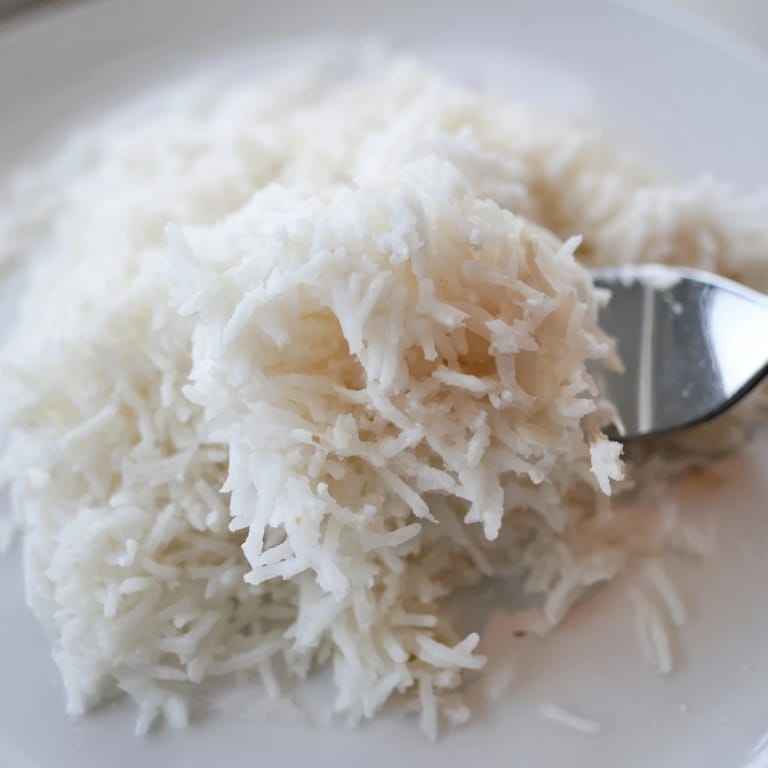
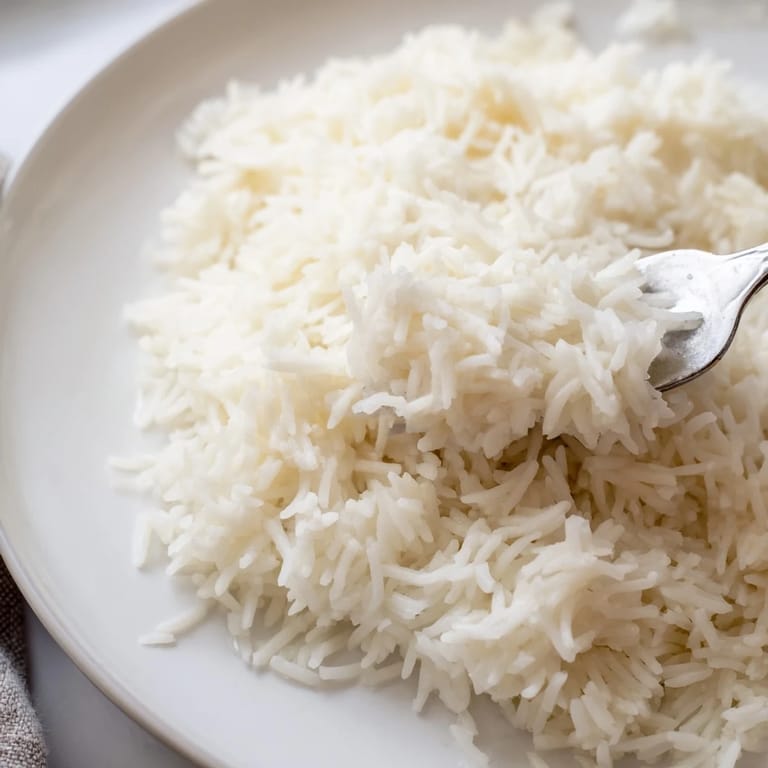
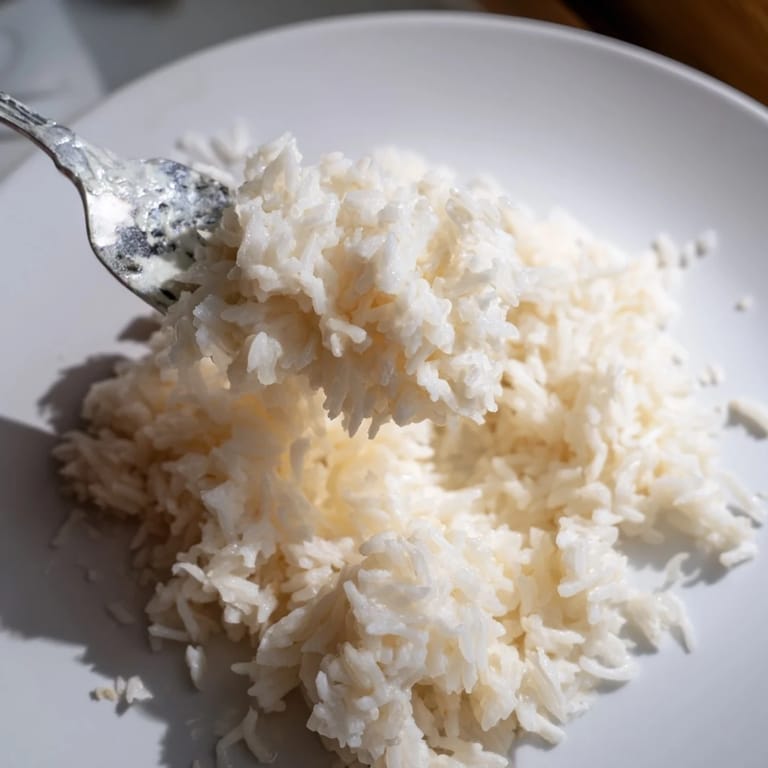
- A fork is your friend here; break up any clumps and watch the grains separate into light, fluffy clouds.
 Save
Save I learned the importance of patience one night when I lifted the lid too early out of curiosity, just to check on things. The steam escaped, the rice wasn't quite done, and I had to add more liquid and start over. Now I set a timer, put the pot on a back burner where I can't see it, and trust the process—and every single time, it works.
Making It Your Own
This recipe is a perfect canvas for your own touches. A couple of pandan leaves added at the start will deepen the fragrance, or a small piece of ginger will add a subtle warmth that lingers in the background. I've also done a half-and-half swap with the water, replacing it with more coconut milk for a richer, almost creamy version that pairs beautifully with mild curries. The beauty of this dish is that it adapts without ever losing its essential character.
What to Serve It With
This rice genuinely shines beside anything with Asian flavors—Thai curries, Vietnamese stir-fries, grilled fish with a citrus glaze. It works just as well with simpler things too: a perfectly roasted piece of salmon, grilled chicken with a light sauce, or even just sautéed vegetables. The coconut milk gives it enough personality to stand on its own, but it's humble enough not to compete.
Storage and Make-Ahead
This rice keeps beautifully in the refrigerator for three days and reheats gently on the stove with a splash of water stirred through it. I've even made it in the morning for a dinner party and just warmed it through before serving, and no one could tell it wasn't fresh from the pot. If you're cooking for a crowd, this recipe doubles easily, though you might need a few extra minutes on the simmer time.
- Leftovers taste even better the next day as the coconut flavor deepens slightly.
- Store in an airtight container to keep it from absorbing other flavors in your fridge.
- A fork is better than a spoon for reheating—it keeps the grains separate and fluffy.
 Save
Save There's real comfort in a dish this simple and this good—something about rice that tastes like it was made with care, without any of the fuss. Make it once and it becomes your reliable friend, the side dish you reach for whenever you want something that works.
Common Questions
- → What type of rice is used?
Fragrant jasmine rice is chosen for its delicate aroma and soft texture.
- → Can I use canned coconut milk?
Yes, full-fat unsweetened canned coconut milk works best for creaminess and flavor.
- → How do I achieve a fluffy texture?
Rinsing rice until water runs clear and allowing it to rest covered after cooking helps fluffiness.
- → Can I enhance the aroma?
Adding pandan leaves or a small ginger piece during cooking infuses extra fragrance.
- → What dishes pair well with this side?
This coconut jasmine rice complements Thai curries, grilled meats, and stir-fried vegetables.
- → Is this suitable for gluten-free diets?
Yes, jasmine rice and coconut milk are naturally gluten-free, but check labels to confirm.