 Save
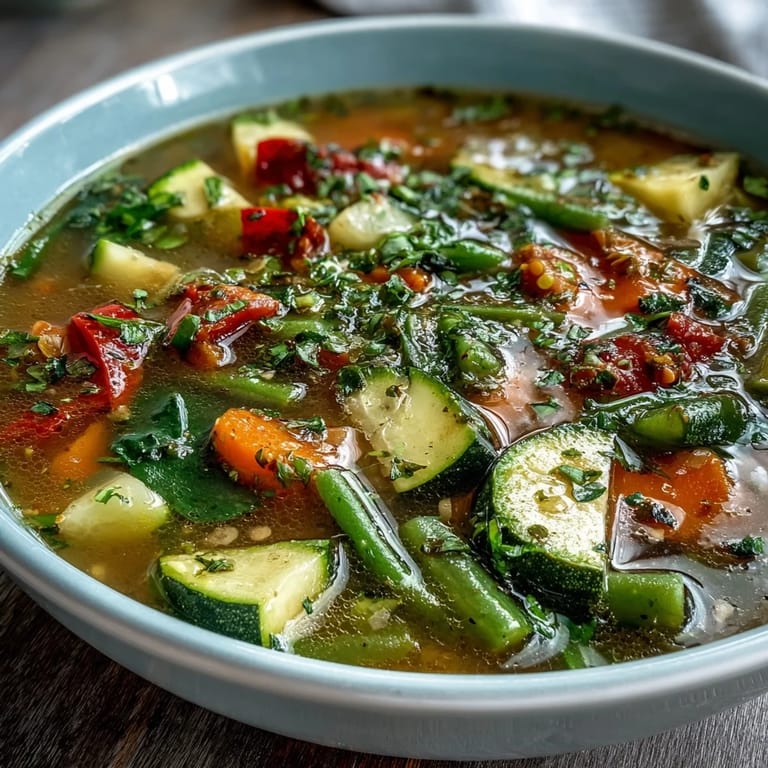
Save There's something about the smell of garlic and onions hitting hot olive oil that makes you feel instantly capable in the kitchen. One rainy afternoon, I found myself with a vegetable drawer that needed rescuing and only dried herbs in the pantry, so I threw together this Italian herb soup almost by accident. What emerged was so vibrant and warming that I've been making it ever since, usually when I want something that tastes like care without requiring much fuss.
I made this for my neighbor who was dealing with a rough week, and watching her face when she tasted it reminded me that sometimes the simplest dishes carry the most weight. She came back three days later asking for the recipe, which still makes me smile because she'd been convinced she couldn't cook.
Ingredients
- Olive oil: Two tablespoons is your base, the fat that carries all those herb flavors and keeps everything from sticking.
- Onion and garlic: These two are doing the heavy lifting at the start; don't rush them because those first few minutes of sautéing transform everything that comes after.
- Carrots, celery, zucchini, and red bell pepper: This is your vegetable foundation, each one bringing different texture and sweetness to balance the herbaceous notes.
- Green beans: They stay slightly firm even after cooking, giving the soup pleasant bite.
- Canned diced tomatoes: The juice matters as much as the tomatoes themselves; it's liquid gold for your broth.
- Vegetable broth: Four cups is the sweet spot between brothy and stewlike; use good broth because it's a main player here.
- Potato: This quietly thickens the soup without being obvious about it, making it feel more substantial.
- Baby spinach: Add it at the very end so it stays bright and doesn't turn to mush.
- Dried oregano, basil, thyme, and rosemary: These four herbs are your flavor backbone; crushing the rosemary releases more of its essential oils.
- Bay leaf: It flavors everything but must come out before serving or you'll get an unpleasant surprise in someone's spoon.
- Cannellini beans (optional): If you add them, you're turning this into something closer to minestrone, which is never a bad thing.
- Fresh parsley and Parmesan: These are finishing touches that feel fancy but take thirty seconds.
Tired of Takeout? 🥡
Get 10 meals you can make faster than delivery arrives. Seriously.
One email. No spam. Unsubscribe anytime.
Instructions
- Build your flavor base with onion and garlic:
- Pour olive oil into your pot over medium heat, then add diced onion and minced garlic. You'll know it's ready when it smells incredible and the onion turns translucent, usually two to three minutes.
- Soften the main vegetables:
- Stir in carrots, celery, zucchini, red bell pepper, and green beans, cooking for about five to six minutes while stirring occasionally. You're looking for them to begin softening at the edges, which signals they're ready for the liquid.
- Add liquid and seasoning:
- Pour in the canned tomatoes with their juices, then vegetable broth, and scatter in the diced potato. Sprinkle in oregano, basil, thyme, rosemary, your bay leaf, salt, and pepper, giving everything a good stir to combine.
- Simmer until vegetables are tender:
- Bring the soup to a boil, then lower the heat and let it simmer uncovered for twenty to twenty-five minutes. The soup will smell unbelievably good during this time, and you'll be tempted to taste it every few minutes.
- Add beans if using:
- If you're including cannellini beans, drain and rinse them, then add them now and simmer for another five minutes just to warm them through.
- Finish with spinach:
- Fish out the bay leaf and discard it, then stir in the spinach and let it cook for just a minute or two until it's wilted and bright green. This is the moment the soup becomes visually stunning.
- Taste and adjust:
- Give it a quick taste and decide if it needs more salt, pepper, or herbs. Trust your instinct here because you know what you like.
- Serve with joy:
- Ladle it into bowls and top with fresh parsley and Parmesan if you'd like.
 Save
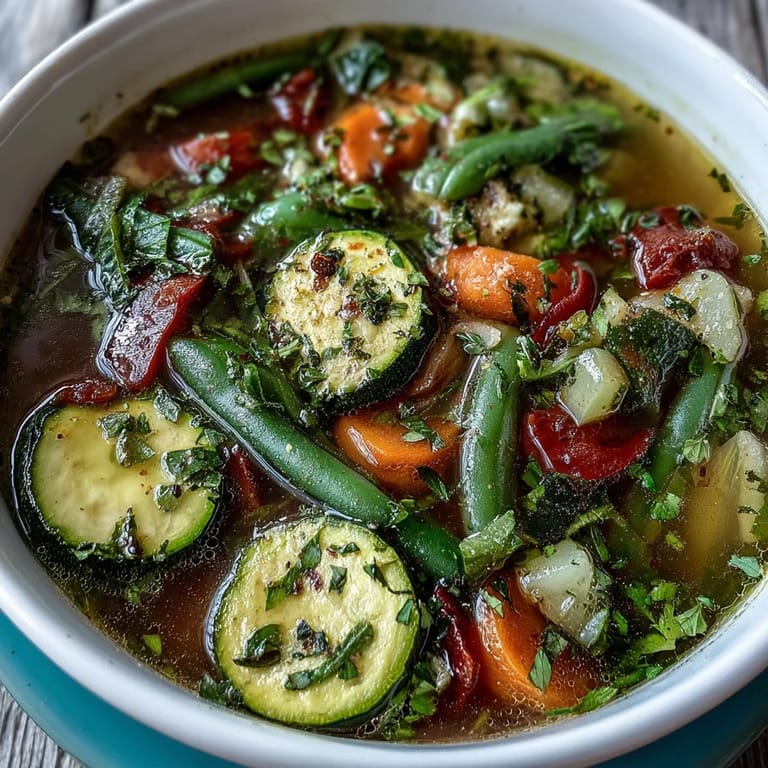
Save My grandmother once told me that soup is the dish you make when you want someone to know you were thinking of them, and I think she was exactly right. This one has fed friends through tough weeks, shown up at potlucks where people went back for seconds, and become something I make on regular Tuesdays just because it makes my kitchen smell like home.
The Magic of Dried Herbs
People often apologize for using dried herbs instead of fresh, but dried herbs in soup are actually the right choice because they've had time to concentrate their flavors. When you bloom them in hot broth, they become more fragrant and integrated than if you'd just tossed in wilted fresh basil at the end. This soup taught me that dried herbs aren't a compromise; they're a different tool entirely, and sometimes they're exactly what you need.
Stretching and Storing
One of the best things about this soup is how flexible it is once you understand the basic structure. If you want it thicker, add small pasta like ditalini or orzo during the last ten minutes of cooking, or mash some of the potato against the side of the pot to release its starch. It freezes beautifully, which means you can make a big pot on Sunday and have lunch sorted for three days straight.
Variations That Feel Natural
After making this soup a dozen times, I've realized it's more of a template than a fixed recipe, which is exactly what makes it so useful. You can swap vegetables based on seasons, add white beans for extra protein, or finish it with a splash of balsamic vinegar if you want deeper flavor. Here are some adjustments that feel true to the soup's spirit:
- Add pasta, fresh kale, or white beans to transform it from a side into a main course.
- Finish with a squeeze of lemon juice just before serving for brightness that makes everything taste more alive.
- If you have fresh herbs on hand, chop some parsley or basil and stir it in at the very end so it stays vibrant.
 Save
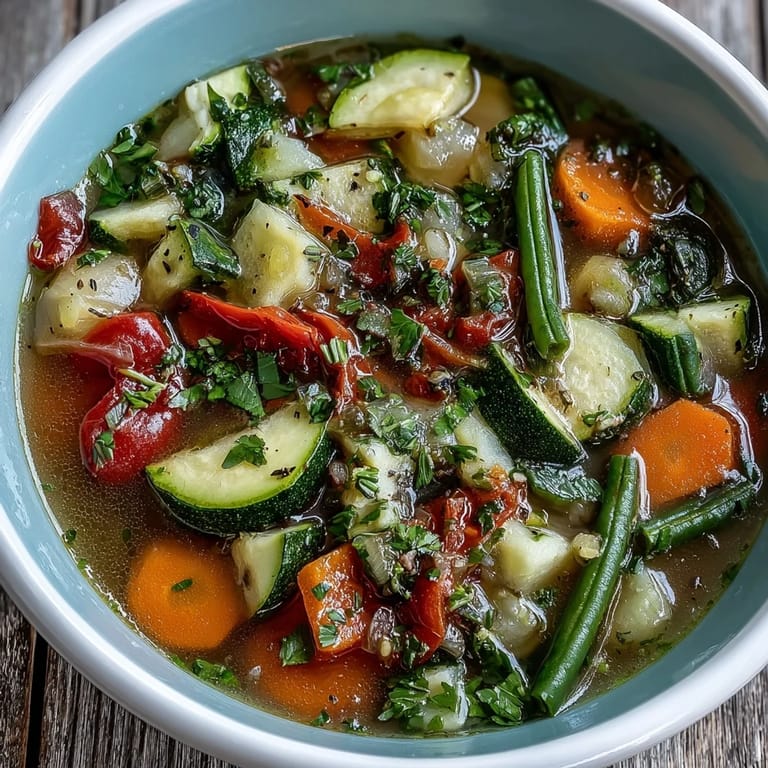
Save This soup has become one of those recipes I make without thinking, which is the highest compliment I can give any dish. It's proof that good food doesn't require complicated technique, just honest ingredients and a little time.
Common Questions
- → Can I make this soup ahead of time?
Absolutely. This soup actually tastes better the next day as flavors have time to meld together. Store in an airtight container in the refrigerator for up to 4 days.
- → Is this soup freezer-friendly?
Yes. Cool completely before transferring to freezer-safe containers. It will keep well for up to 3 months. Thaw overnight in the refrigerator before reheating.
- → Can I use fresh herbs instead of dried?
Certainly. Use three times the amount of fresh herbs compared to dried. Add them in the last 5 minutes of simmering to preserve their bright flavor.
- → What vegetables work best as substitutions?
Feel free to use whatever seasonal vegetables you have on hand. Butternut squash, kale, Swiss chard, or green peas all work beautifully in this versatile soup.
- → How can I make this soup more protein-rich?
Add the cannellini beans as suggested, or stir in some lentils during the simmering stage. For non-vegetarian options, diced chicken or small meatballs work wonderfully.
- → What's the best way to reheat leftovers?
Gently reheat on the stovetop over medium-low heat, adding a splash of water or broth if needed. Avoid boiling to prevent vegetables from becoming mushy.