 Save
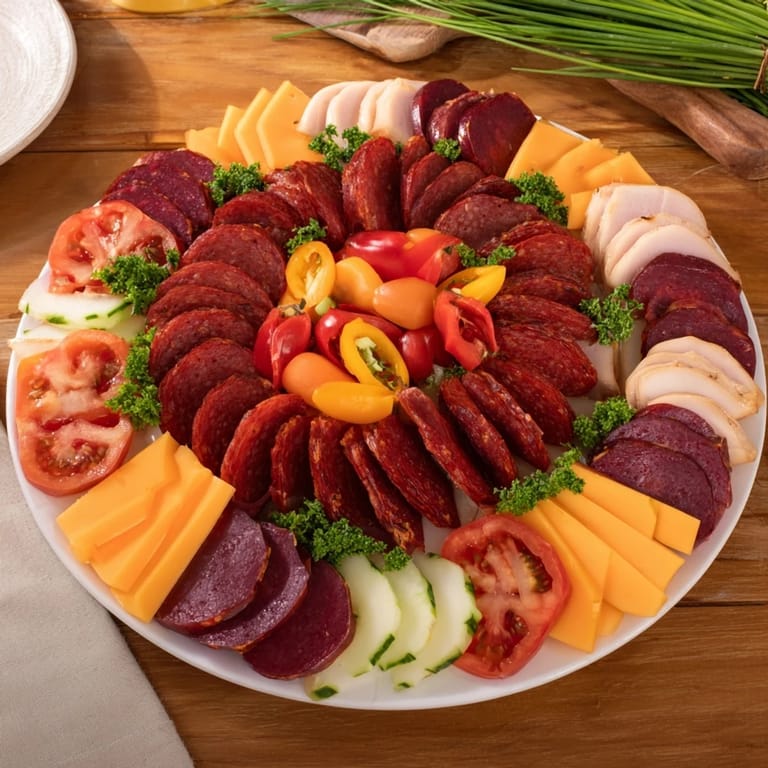
Save I still remember the first time I assembled a proper charcuterie board at home—it was meant to be a quick appetizer for a dinner party, but somewhere between arranging the prosciutto and positioning those jewel-like cherry tomatoes, I realized I'd discovered something that felt less like cooking and more like creating edible art. That moment sparked an obsession with building beautiful, balanced platters that could stand as a complete meal. The Keto Power Plate is my answer to everyone who thinks healthy eating means sacrificing elegance or satisfaction. It's where premium ingredients do the talking, and every element serves both flavor and purpose.
I made this platter for my sister's bridal shower last spring, and watching everyone's faces light up when they saw it arranged on the marble table—before they even tasted it—told me everything I needed to know. Someone said it looked like something from a luxury restaurant, and I loved that the most elegant meals sometimes require nothing more than thoughtful arrangement and quality ingredients.
Ingredients
- Roast beef, sliced (120 g): The deep burgundy color anchors your platter visually while delivering intense, savory protein. I learned to buy it freshly sliced from the deli counter rather than pre-packaged—it stays tender and doesn't dry out as quickly
- Smoked turkey, sliced (120 g): This is your lighter, more delicate meat. Its subtle smokiness bridges the gap between the bold roast beef and the salty prosciutto, creating flavor depth without heaviness
- Prosciutto (120 g): Paper-thin and naturally salty, it's the showstopper ingredient that signals this is a special occasion. I arrange it loosely so it catches the light
- Salami, sliced (100 g): The spicy undertone here keeps things interesting and adds another layer of visual contrast with its deep red circles
- Aged cheddar, cubed (100 g): Sharp and crystalline, it's the workhorse cheese that pairs with everything. I specifically choose aged cheddar because the complexity improves with time
- Gruyère, sliced (100 g): Nutty and slightly sweet, Gruyère adds sophistication. Its pale golden color creates beautiful visual rhythm against darker ingredients
- Manchego, sliced (100 g): This Spanish cheese brings a subtle caramel note and a smooth texture that contrasts beautifully with the crumbly aged cheddar
- Cherry tomatoes, halved (1 cup): Their bright red color is non-negotiable for visual impact, and halving them prevents rolling across the platter while showing off their interior sweetness
- Cucumber, sliced (1 cup): Cool, crisp, and pale—your visual palette needs this clean refreshment between rich proteins and cheeses
- Radishes, sliced (1 cup): They add peppery bite and those gorgeous pink and white circles that make the whole platter sing visually
- Baby bell peppers, sliced (1 cup): I love these for their natural sweetness and the way their varied colors—red, yellow, orange—feel like edible confetti
- Celery sticks (1 cup): The crisp, neutral vessel that lets other flavors shine. It's also the one ingredient that keeps its satisfying crunch throughout the entire meal
- Green olives (1/4 cup): Their briny punch and pale color create pockets of visual contrast and flavor surprise
- Black olives (1/4 cup): A deeper note both visually and in taste, they anchor certain sections of the board
- Fresh parsley, chopped (2 tbsp): This final garnish isn't just decoration—those green flecks signal freshness and add a clean herbal lift
- Extra virgin olive oil (2 tbsp): A quality oil makes all the difference. It brings vegetables together and adds a silky finish that says you care
- Freshly ground black pepper: Applied just before serving, it adds final flavor and texture depth
Tired of Takeout? 🥡
Get 10 meals you can make faster than delivery arrives. Seriously.
One email. No spam. Unsubscribe anytime.
Instructions
- Create your meat foundation:
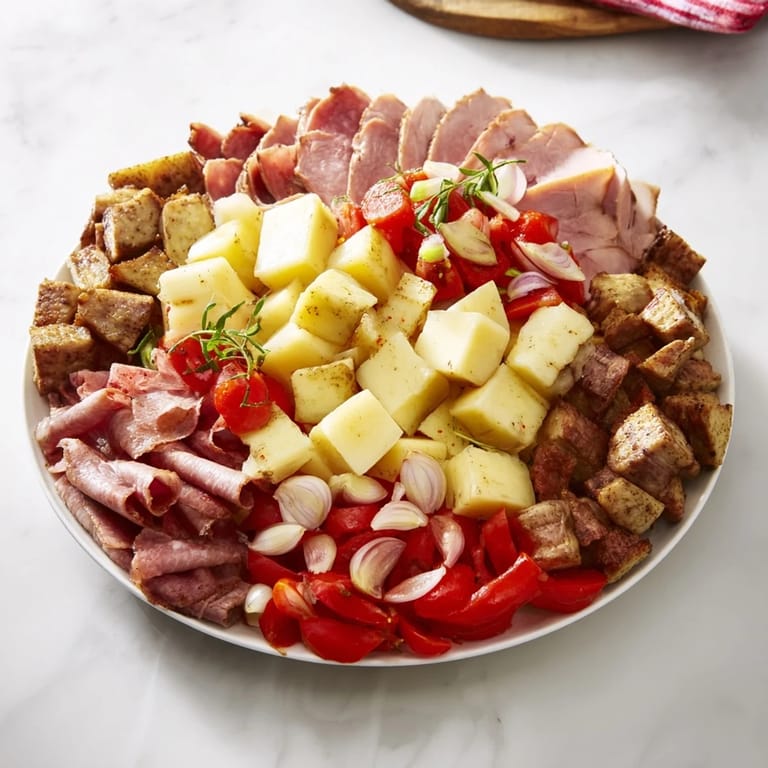
- Start by arranging all your sliced meats in tight clusters directly on the platter. Group the roast beef together, the smoked turkey in its own section, and let the prosciutto drape naturally in another area—treat each meat like its own little neighborhood. This organization makes the platter feel intentional and helps people navigate flavors logically
- Build your cheese architecture:
- Place cheese groupings beside each meat cluster, alternating between the creamy pale Gruyère, the rich golden Manchego, and the crystalline aged cheddar cubes. The contrast between shapes and colors is what makes people pause before eating. Let some pieces stand slightly at angles rather than laying completely flat—this creates dimension
- Fill the landscape:
- Now comes the meditative part where you fill remaining spaces with vegetables. Cluster similar vegetables together rather than scattering them randomly—all tomatoes in one area, all radishes in another. This approach creates visual logic and makes it easier for guests to eat with intention
- Distribute your jewel tones:
- Scatter both green and black olives throughout, placing them strategically where you need pops of color or where a gap needs filling. Think of them as little flavor bombs that punctuate the composition
- Add the glossy finish:
- Just before you're ready to serve, lightly drizzle the vegetables with your best olive oil and grind fresh pepper over them. This step happens last because you want that glistening just-finished quality—it's the difference between a beautiful platter and a restaurant-quality one
- Crown with herbs:
- Scatter the chopped parsley over the top, focusing on areas that need a whisper of green. This is your final signature
 Save
Save My favorite moment with this platter came when my health-focused friend—the one who usually brings plain grilled chicken to gatherings—took one look and said she finally understood that eating keto didn't mean eating boring. Watching her pile high with prosciutto and cheese and radishes while genuinely enjoying herself reminded me that the best recipes are the ones that change how people think about food.
The Art of Beautiful Arrangement
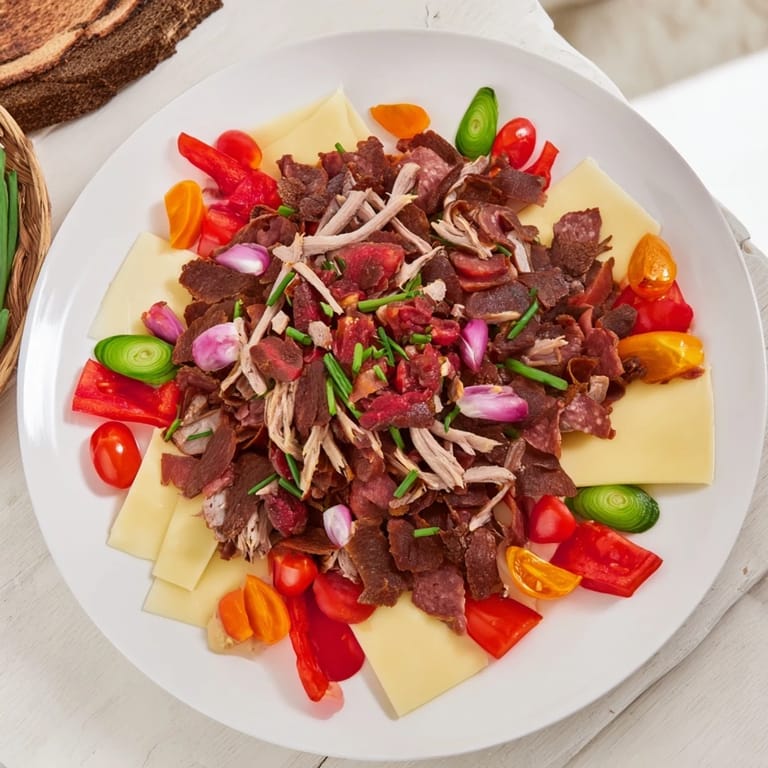
I've learned that a platter is essentially a puzzle where you're solving for both aesthetics and function. The key is understanding that your eyes eat first. When ingredients are thoughtfully arranged in clusters rather than scattered, when colors alternate and shapes contrast, people mentally prepare themselves for something special before they even taste it. Think of your platter as a living canvas that you're composing—symmetry isn't the goal, intentionality is. Each ingredient placement should answer the question 'why is this here and where it is?'
Why This Works for Keto
The beauty of the Keto Power Plate is that it achieves what keto is supposed to do: deliver satisfaction through quality fats and proteins while keeping carbs minimal. You're not replacing anything with sad substitutes or missing out on flavor. Instead, you're leaning into foods that are naturally nutrient-dense and genuinely delicious. Every single ingredient on this platter is there because it tastes exceptional, not because it fits a macro template. That's what makes it sustainable—you're not white-knuckling your way through a meal you wish was different.
Creating the Perfect Serving Experience
The moment someone reaches for their first bite from the platter, you want to set them up for success. Arrange ingredients so that a first-time taker can easily grab a piece of meat, a cheese, and a vegetable without dismantling your creation. Leave small gaps between clusters so grabbing things doesn't feel like a game of Jenga. And honestly, the platter tastes even better when paired thoughtfully—serve it with sparkling water and a good conversation, and you've created something that transcends mere food.
- Keep a small empty bowl on the side for olive pits so guests aren't hunting for places to discard them
- Position the platter at eye level rather than down low—it's more inviting and shows off your work properly
- If you're making this ahead, cover it loosely with plastic wrap until 30 minutes before serving to keep ingredients fresh without trapping moisture
 Save
Save This platter represents something I've come to love about cooking—the idea that the most impressive meals are sometimes the simplest ones, where quality ingredients and thoughtful presentation do all the work. Make this when you want people to feel cared for without wanting to spend hours in the kitchen.
Common Questions
- → What meats are included in the plate?
It features sliced roast beef, smoked turkey, prosciutto, and salami arranged in clusters for visual impact.
- → Which cheeses are used to complement the meats?
Aged cheddar, Gruyère, and Manchego are sliced or cubed and placed beside the meats, offering varied textures and flavors.
- → How are vegetables incorporated in the dish?
Non-starchy vegetables such as cherry tomatoes, cucumber, radishes, baby bell peppers, and celery are grouped together to add freshness and crunch.
- → Are there any garnishes or extras added?
Green and black olives are scattered throughout, with chopped parsley and a light drizzle of extra virgin olive oil finishing the plate.
- → How long does it take to prepare this platter?
Preparation takes approximately 20 minutes, with no cooking required, making it a quick and easy option.
- → Can any ingredients be substituted?
Meats or cheeses may be swapped based on preference, and pickled vegetables or fresh herbs can be added for variety.