 Save
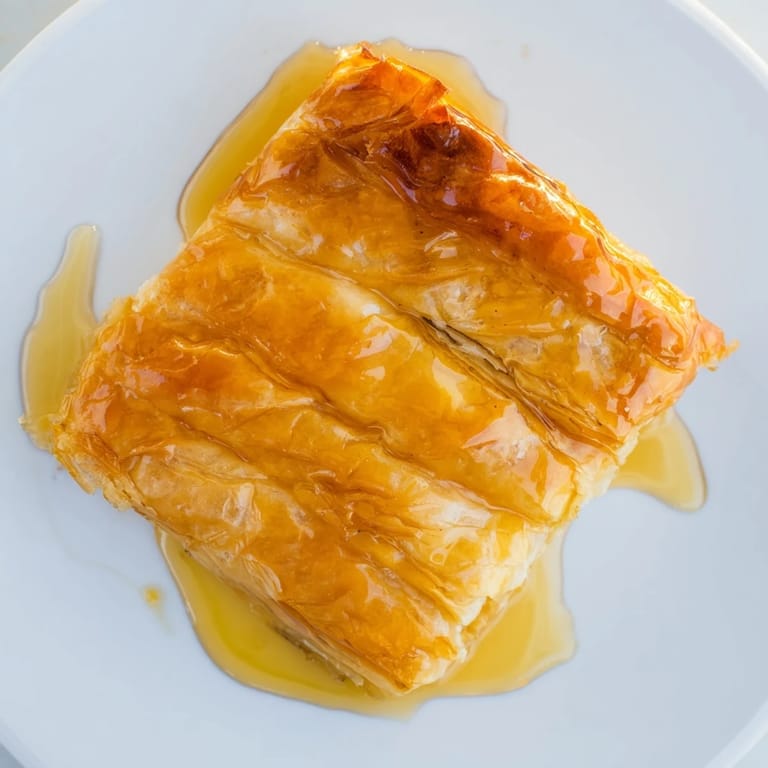
Save My first bite of msemen was at a small café in Marrakech, steam rising from a plate still crackling from the pan. The pastry shattered between my teeth, honey pooling into its flaky folds, and I realized why Moroccan families make this for every important breakfast. What seemed impossibly delicate turned out to be surprisingly forgiving to make—you just need patience and the willingness to let your hands do the stretching.
I made these for my roommate on a lazy Sunday morning, and watching her eyes light up when I drizzled the honey made every sticky-handed fold worth it. She asked for the recipe immediately, which is always the best compliment a home cook can get.
Ingredients
- All-purpose flour: This is your foundation, giving the dough structure and the ability to stretch thin without tearing.
- Fine semolina: The secret to msemen's characteristic crispy, flaky texture that doesn't get soggy even after honey soaks into it.
- Sugar and salt: Just enough to balance flavors without making the pastry taste sweet or salty.
- Warm water: Temperature matters here—too hot kills the yeast, too cold and you'll be kneading forever.
- Instant yeast: Optional but worth it if you want lighter, airier layers that practically melt on your tongue.
- Vegetable oil: For greasing your hands and the pan; it keeps everything from sticking without overwhelming the delicate flavor.
- Melted butter: This brushed between folds creates those paper-thin, golden layers everyone loves.
- Fine semolina (for dusting): Sprinkled between layers, this prevents sticking and adds texture to every bite.
- Honey for serving: Warmed honey soaks into the warm pastry rather than sitting on top, creating something almost syrupy in the best way.
Tired of Takeout? 🥡
Get 10 meals you can make faster than delivery arrives. Seriously.
One email. No spam. Unsubscribe anytime.
Instructions
- Mix your dough base:
- Combine flour, semolina, sugar, salt, and yeast in a bowl, then gradually add warm water while mixing until everything comes together into a soft, slightly sticky dough. Knead for 10 minutes—your arms will know when it's ready because the dough will feel silky and bounce back when you poke it.
- Let it rest:
- Cover your dough and give it 15 minutes to relax, which makes it easier to stretch and less likely to fight you during shaping.
- Divide and prepare:
- Cut the dough into 8 equal pieces and roll each into a ball, then grease your entire work surface and hands with oil so nothing sticks.
- Stretch into thin circles:
- Take one dough ball and gently flatten it with your oiled hands, working from the center outward until it's nearly see-through—this takes patience, but resist the urge to rush it. If it tears, just pinch it back together; msemen is forgiving.
- Layer with butter and semolina:
- Brush your stretched circle with melted butter, sprinkle semolina generously, then fold all four sides toward the center to form a rough square, brushing and sprinkling between each fold. This creates the magic that becomes those crispy layers.
- Rest the folded squares:
- Let them sit for 5 minutes so the gluten relaxes and they don't shrink when you fry them.
- Flatten gently and fry:
- In a hot oiled skillet, press each square down to about 1/4-inch thick, then fry for 2 to 3 minutes per side until deep golden brown and shattering-crispy. Listen for that familiar crackling sound—it's your signal you're doing it right.
- Finish with honey:
- Transfer to a plate and drizzle generously with warm honey while the msemen is still hot so it soaks into every crevice.
 Save
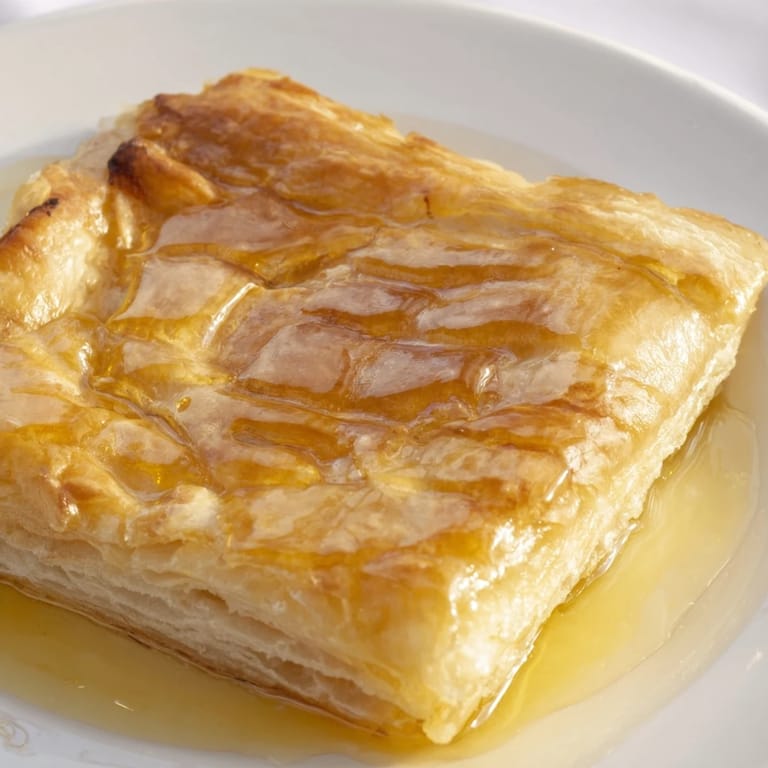
Save The first time everything clicked for me was when I stopped trying to make my msemen look like the ones I'd seen in restaurants and just let them be irregular and imperfect. That's when they tasted best, because I was finally enjoying the process instead of fighting it.
The Secret of Stretching
Stretching msemen dough is a meditation once you stop being afraid of it. The key is using enough oil to make your hands slippery and working slowly, letting gravity help you more than force. I learned this the hard way, tearing my first batch into confetti while trying to speed through the process.
Getting the Layers Right
Those crispy, shattering layers come from the butter and semolina between each fold, so don't be shy with either one. The semolina especially keeps everything separated so you get that distinct crackle instead of a dense, pancake-like texture.
Serving and Storage
Msemen is best enjoyed fresh and warm, but life happens and you'll have leftovers. They can be reheated gently in a skillet with a touch of oil to restore their crispness, or wrapped in foil and warmed in the oven.
- For a special treat, serve alongside amlou (a silky almond-honey spread) or fresh jam for dipping.
- If you want to add fragrance, a tiny pinch of cinnamon or orange blossom water in the dough creates something unforgettable.
- Make them on weekend mornings when you have time to enjoy the process—rushing through msemen removes half the joy.
 Save
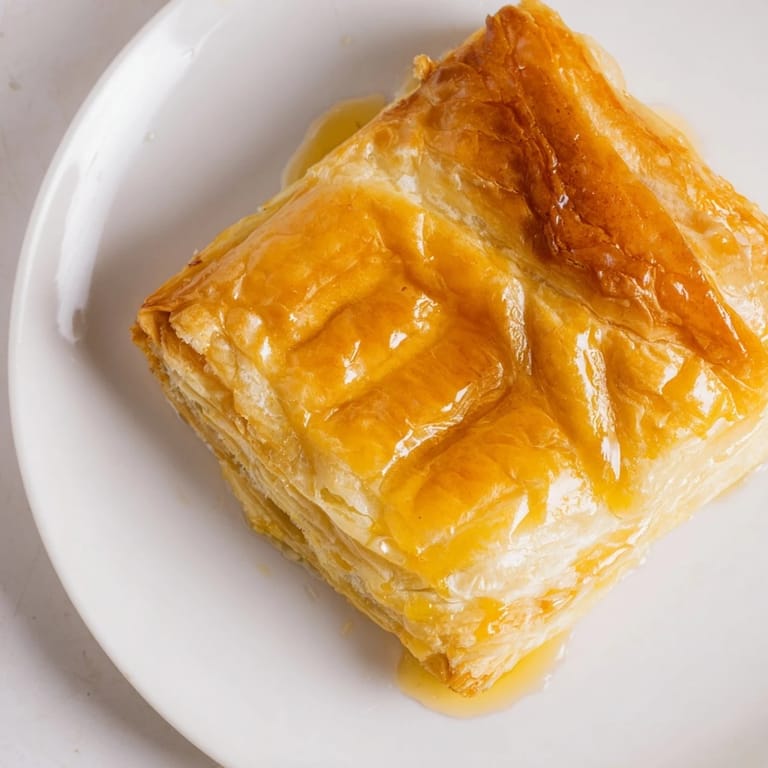
Save Every time I make msemen, it takes me back to that café in Marrakech, and somehow it brings a little of that magic to my own kitchen. There's something about transforming simple ingredients into something so delicious and beautiful that reminds you why cooking matters.
Common Questions
- → What gives Msemen its flaky texture?
The flaky texture results from folding thin layers of dough brushed with melted butter and semolina, which separate during pan-frying to create tender, crisp layers.
- → Can I make Msemen without semolina flour?
Semolina adds unique texture and slight crunch, but using only all-purpose flour will still work, though the final layers may be softer.
- → What oils are best for frying Msemen?
Vegetable oil with a neutral flavor is preferred for frying, combined with melted butter brushed between layers for richness.
- → How do I know when Msemen is cooked properly?
It should be golden brown and crisp on both sides, with flaky layers visible when cut or torn apart.
- → Can Msemen be reheated after frying?
Yes, gently reheating in a skillet or toaster helps restore crispness without drying out the layers.
- → What are common serving suggestions for Msemen?
Traditionally served warm with honey, it can also be enjoyed with almond-honey spreads, fresh jams, or sprinkled with cinnamon.