 Save
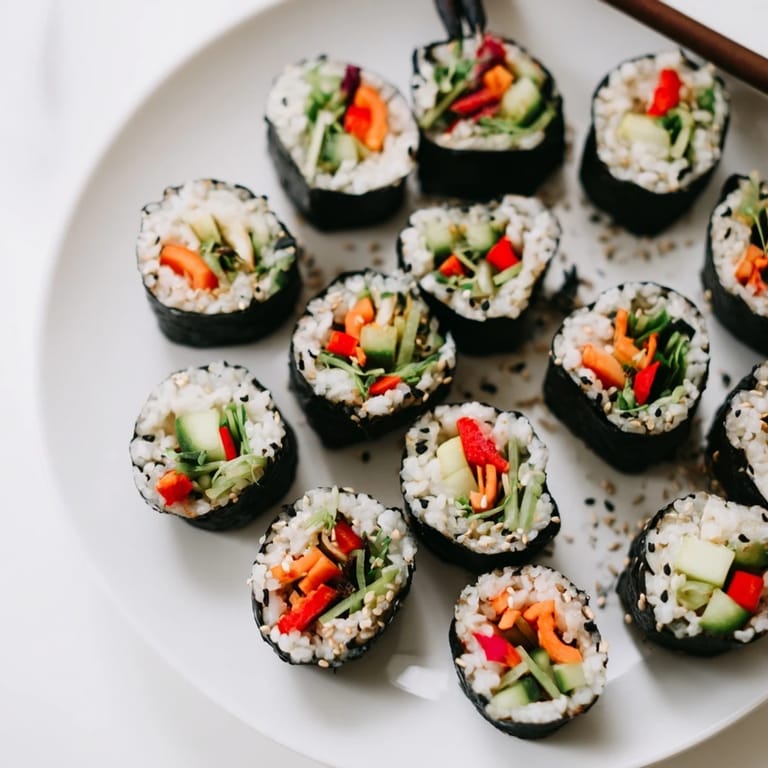
Save The first time I attempted making nori rolls, my kitchen looked like a vegetable explosion had taken place. There were cucumber ribbons draped over the chair back, avocado smudges on my apron, and at least three failed attempts that fell apart the moment I tried to slice them. My daughter walked in, took one look at the chaos, and said maybe we should just order takeout instead. But that fourth roll somehow held together, and when I took that first bite with the crisp vegetables and creamy avocado, I understood why people bother with the technique. Now I can roll them while carrying on a conversation, though there are still occasional implosions.
Last summer, I made these for a beach picnic with friends and watched skeptical faces turn into believers. My friend Mark, who swore he hated anything wrapped in seaweed, went back for thirds and asked me to teach him the rolling technique right there in the sand. Something about eating with your hands and the fresh snap of vegetables makes these feel like special occasion food even though they are ridiculously simple to prepare.
Ingredients
- 8 sheets nori: Roasted seaweed sheets are the foundation, and I learned the hard way that keeping them completely dry until use prevents soggy disasters
- 1 medium cucumber: Julienned into thin strips that provide essential crunch and freshness to every bite
- 1 ripe avocado: Sliced just before assembling so it stays creamy and adds that luxurious richness
- 1 cup mixed sprouts: Alfalfa, radish, or broccoli sprouts bring a fresh peppery kick and beautiful green color
- 1 medium carrot: Julienned for sweetness and satisfying texture that holds up beautifully inside the roll
- 1 small red bell pepper: Adds a pop of color and mild sweetness that balances the savory elements
- 2 cups cooked sushi rice: Optional but worth it if you want heartier rolls, seasoned perfectly with rice vinegar
- 1 tablespoon toasted sesame seeds: Sprinkled inside for nutty bursts of flavor throughout
- Soy sauce or tamari: Essential dipping sauce that brings everything together with salty umami depth
Tired of Takeout? 🥡
Get 10 meals you can make faster than delivery arrives. Seriously.
One email. No spam. Unsubscribe anytime.
Instructions
- Prepare the rice foundation:
- If using sushi rice, mix the cooked rice with rice vinegar and spread it out to cool completely, which I learned prevents the nori from becoming soggy and sad.
- Set up your rolling station:
- Place a sheet of nori shiny side down on your bamboo mat and have all vegetables prepped and within arms reach before you start assembling.
- Layer the ingredients:
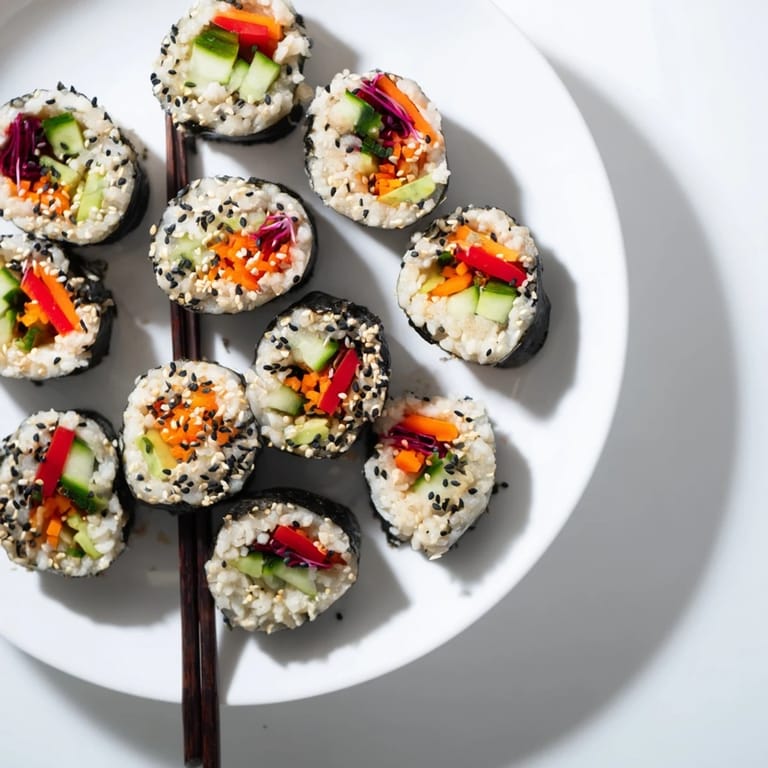
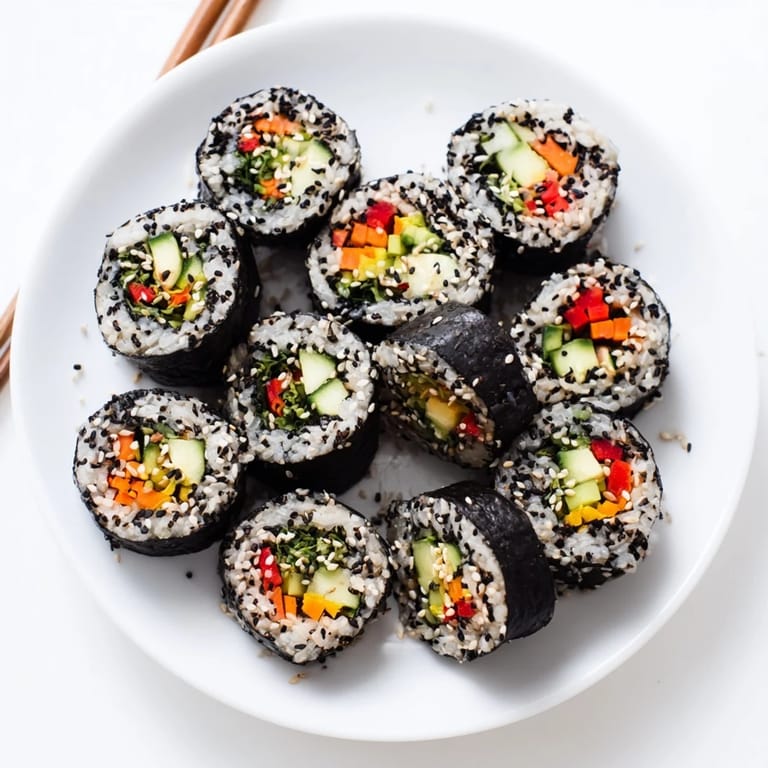
- Spread rice over the lower third if using, then arrange cucumber, avocado, sprouts, carrot, and bell pepper in a neat line across the center.
- Roll with confidence:
- Use the mat to roll the nori tightly over the fillings, pressing gently as you go and sealing the top edge with a dab of water if needed.
- Serve immediately:
- Slice each roll into bite sized pieces with a sharp damp knife and arrange on a platter with small bowls of soy sauce, pickled ginger, and wasabi.
 Save
Save These nori rolls have become my go to when I want something that feels indulgent but leaves me feeling light and energized. There is something meditative about the rolling process once you find your rhythm, and the first bite always reminds me why homemade food tastes so much better than anything you could buy.
Choosing Your Vegetables
The beauty of this recipe lies in its flexibility and how you can adapt it based on what is fresh at the market or lingering in your crisper drawer. I have used julienned kohlrabi, thin strips of sautéed tofu, and even lightly steamed asparagus when that was what I had on hand. The key is cutting everything into uniform sizes so each roll has consistent texture and no single ingredient overwhelms the others.
Making Ahead
While these are best eaten immediately, you can prep all the vegetables hours before assembling and keep them sealed in the refrigerator. The rice can also be cooked and seasoned the night before, though I recommend bringing it to room temperature before rolling for better pliability. Once assembled, cover the rolls loosely with a damp paper towel and plastic wrap to prevent the nori from drying out and becoming tough.
Mastering the Roll
The rolling technique is easier than it looks once you understand that gentle pressure works better than force. Start with the filling closer to you than you think necessary, use your thumbs to lift the mat edge while holding ingredients in place with your fingers, and roll forward in one smooth motion rather than stopping and starting. If your first attempts look more like burritos than tight cylinders, do not worry because they will still taste delicious.
- Practice with just one vegetable until you get the hang of the rolling motion
- Keep a clean damp cloth nearby to wipe your hands between rolls
- Cut the rolls with a gentle sawing motion rather than pressing down hard
 Save
Save I hope these nori rolls bring as much joy to your kitchen as they have to mine, whether you are rolling them solo for a quiet lunch or sharing them with people you love.
Common Questions
- → Do I need a bamboo rolling mat?
While a bamboo mat creates the tightest rolls, a clean kitchen towel works effectively. The key is applying gentle, even pressure as you roll to ensure the nori seals properly around the fillings.
- → Can I make these ahead of time?
These are best enjoyed fresh within 2-3 hours. If preparing ahead, wrap each roll tightly in plastic wrap to prevent the nori from becoming soggy. Slice just before serving for the best texture.
- → What vegetables work best for filling?
Julienned vegetables like cucumber, carrot, bell pepper, and daikon radish provide ideal crunch. Avocado adds creaminess while sprouts contribute fresh texture. Avoid watery vegetables like tomatoes that could make the nori soggy.
- → How do I keep the nori from tearing?
Handle nori sheets with dry hands and work quickly once they're exposed to air. If edges become brittle, lightly brush with water before rolling. A sharp knife dipped in water slices cleanly through finished rolls.
- → Are these suitable for meal prep?
Prepare all vegetables in advance and store separately in airtight containers. Assemble rolls the day you plan to eat them for optimal texture and freshness. The nori maintains its crispness best when rolled just before serving.