 Save
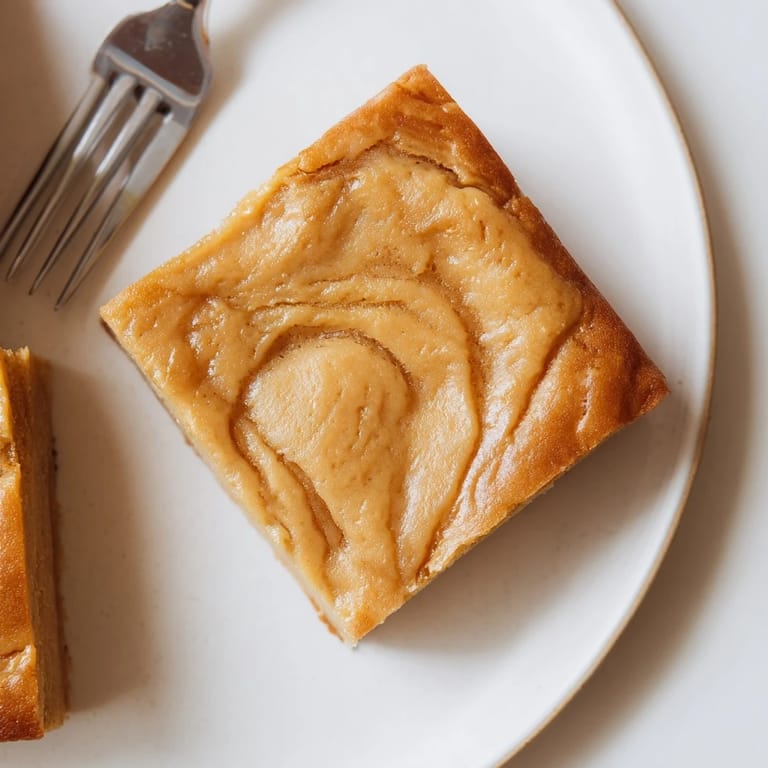
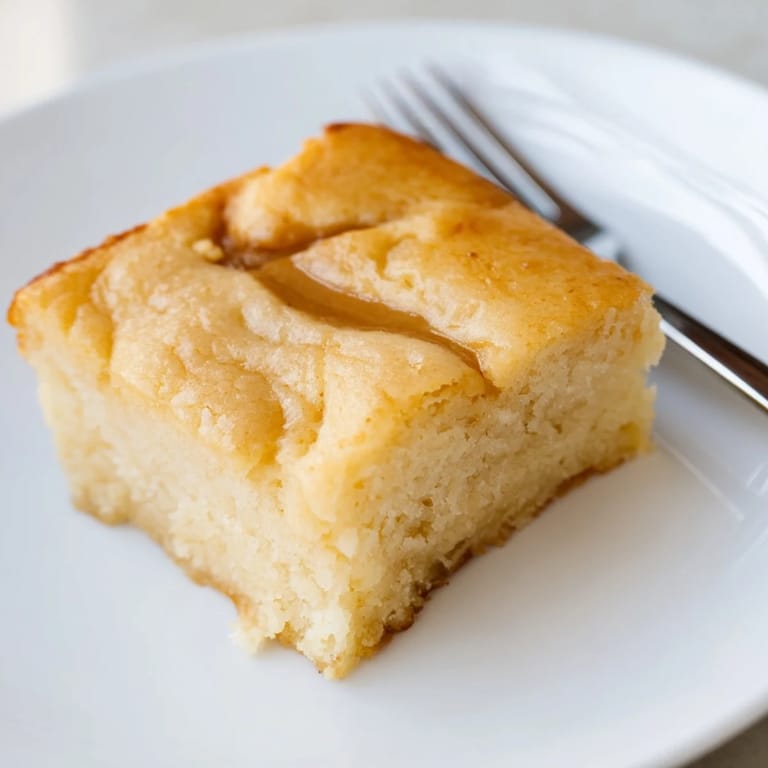
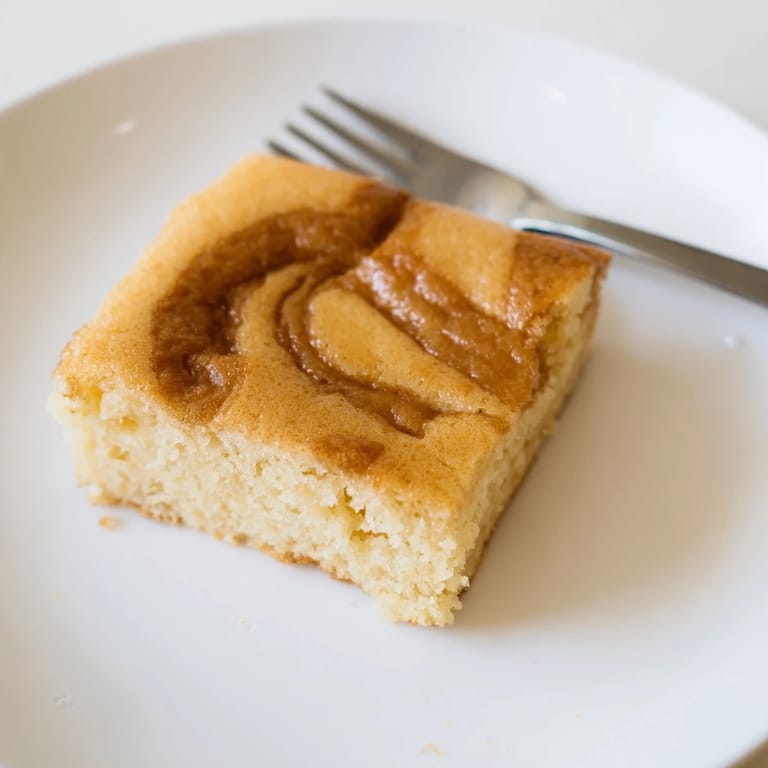
Save The first time I made mochi cake, I was standing in my kitchen at midnight, unable to sleep, scrolling through food photos on my phone. I saw this picture of a golden, jiggly mochi square with peanut butter swirled through it, and something about the combination felt impossible—like someone had taken two completely different dessert traditions and decided they belonged together. By 2 AM, I had flour all over my pajamas and a batter that looked suspiciously like cake but promised to be something far more interesting. That chewy, tender texture with the rich peanut butter flavor became my favorite late-night discovery.
I brought this to a potluck once without telling anyone what it was, and watching people try to figure out if it was mochi or cake or some kind of magical hybrid was endlessly entertaining. My friend Sarah took a bite, paused, and said, 'Wait, is this... peanut butter?' like she'd just solved a riddle. That moment made me realize this cake does something special—it surprises people in the best way, and suddenly you're the person who knows how to make something truly memorable.
Ingredients
- Sweet rice flour (mochiko): This is the star ingredient that gives you that signature chewy texture—don't swap it for regular rice flour, or you'll lose the whole magic of the cake.
- Granulated sugar: Sweetness that balances the richness of peanut butter without making it cloying.
- Baking powder: Just enough lift to keep the cake tender, not fluffy—this isn't angel food cake.
- Salt: A small but crucial pinch that makes the peanut butter sing and prevents everything from tasting one-dimensional.
- Whole milk and coconut milk: The combination creates a creamy, custardy interior; the coconut milk adds a subtle floral note that haunts you in the best way.
- Eggs: Three large ones bind everything together and add richness that makes this feel indulgent.
- Creamy peanut butter: Use the smooth kind here—chunky will change the texture—and make sure it's actual peanut butter, not the oil-separated natural stuff (unless you don't mind stirring).
- Unsalted butter: Melted and ready to embrace the other ingredients; this is where the golden color starts happening.
- Vanilla extract: A quiet backbone that deepens all the flavors without announcing itself.
Tired of Takeout? 🥡
Get 10 meals you can make faster than delivery arrives. Seriously.
One email. No spam. Unsubscribe anytime.
Instructions
- Get your oven ready and prepare the pan:
- Preheat to 350°F and grease a 9x13-inch pan with butter or line it with parchment—this step takes 2 minutes but saves you from a stuck-cake disaster later.
- Mix the dry foundations:
- Whisk together the sweet rice flour, sugar, baking powder, and salt in a large bowl until everything is evenly combined; you're creating the canvas for everything else.
- Blend the wet ingredients into silky smoothness:
- In a separate bowl, whisk the milk, coconut milk, eggs, peanut butter, melted butter, and vanilla until completely smooth with no peanut butter lumps—this takes about 1-2 minutes of steady whisking.
- Bring everything together:
- Pour the wet mixture into the dry ingredients and whisk gently until you have a smooth batter that looks a bit thinner than traditional cake batter; this is correct and necessary for that mochi texture.
- Transfer and bubble-bust:
- Pour the batter into your prepared pan and tap it gently on the counter a few times to release air bubbles that could create unwanted tunnels.
- Bake until golden and set:
- Bake for 45-50 minutes until the top is golden brown and a toothpick inserted in the center comes out clean or with just a few moist crumbs—this is the moment that smells absolutely incredible.
- Cool with patience:
- Let it cool completely in the pan at room temperature; this allows the texture to set properly and makes slicing so much easier.
- Slice and serve:
- Cut into squares and serve at room temperature or chilled, depending on your mood and whether you want that extra chewy factor.
 Save
Save The best part is waking up the next morning, pulling a square from the fridge, and having dessert that tastes even better than it did fresh. There's something about this cake that improves overnight, like it's still figuring out how to be its best self.
Why This Cake Works So Well
Mochi cake lives in this beautiful gray area between custard, cake, and something your grandmother's grandmother might have made—if she had peanut butter. The sweet rice flour creates a structure that's simultaneously delicate and sturdy, and the coconut milk adds depth that makes people ask 'what is that flavor?' for the next week. It's gluten-free without tasting like it's apologizing for being gluten-free, and it genuinely tastes better the next day once the flavors have settled into a unified whole.
Serving Ideas and Pairings
Serve this cold straight from the fridge on a summer afternoon, or bring it to room temperature if you want the peanut butter flavor to shine brighter. A dollop of whipped cream on top feels fancy but takes 30 seconds, and fresh berries—especially raspberries—provide a bright contrast that surprises. It pairs quietly with coffee or tea, and it's substantial enough that a single square feels like a complete dessert, not an appetizer.
Storage and Make-Ahead Tips
This cake gets better with time, so bake it a day ahead if you can; the texture becomes even more moist and the flavors deepen and settle. Store it in an airtight container in the refrigerator for up to 5 days, and honestly, it tastes just as good cold as at room temperature.
- You can prep all your dry ingredients in a bowl the night before and just store it covered on the counter.
- If you want to add roasted peanuts on top, sprinkle them on before baking so they get slightly toasted and adhered to the cake.
- Frozen leftover squares thaw beautifully and taste creamy, not icy—they're perfect for unexpected dessert cravings.
 Save
Save This is the kind of cake that reminds you why you started baking in the first place—it's simple enough to make on a random Tuesday, but impressive enough to remember long after the last crumb is gone. Every time you make it, you'll wonder how something this easy became this delicious.
Common Questions
- → What makes mochi cake chewy?
The chewiness comes from glutinous rice flour, which creates a sticky and tender texture unique to mochi-based treats.
- → Can I substitute dairy in this cake?
Yes, coconut milk is already used to provide richness, and you can experiment with plant-based milks for a dairy-free option.
- → How do I know when it’s fully baked?
When the top is golden brown and a toothpick inserted into the center comes out clean, the cake is done baking.
- → What adds the peanut butter flavor?
Creamy peanut butter is mixed into the wet ingredients, infusing the cake with a rich, nutty taste throughout.
- → How should leftovers be stored?
Keep leftovers in an airtight container in the refrigerator to maintain freshness and texture.