 Save
Save My first risotto was a disaster—I stirred too aggressively, burned the bottom, and somehow still expected it to taste like the creamy dream I'd imagined. But something about that dish hooked me, and a few years later, a friend's mother showed me the real secret: patience and a steady hand. Now, every time I make risotto, I think about how those first five minutes of toasting the rice feel almost sacred, and how the gradual addition of warm broth transforms something so simple into something that tastes like you spent hours in the kitchen.
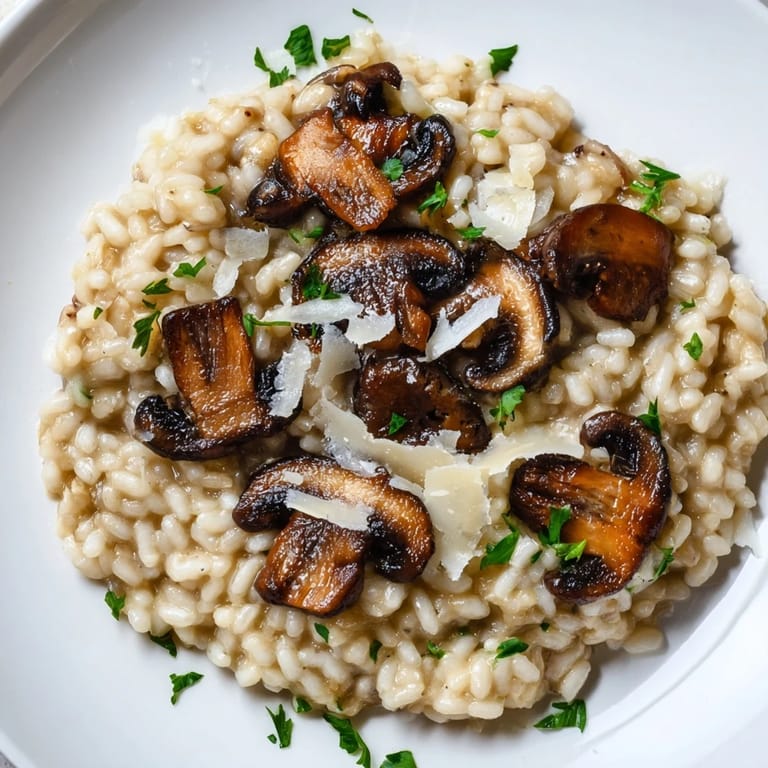
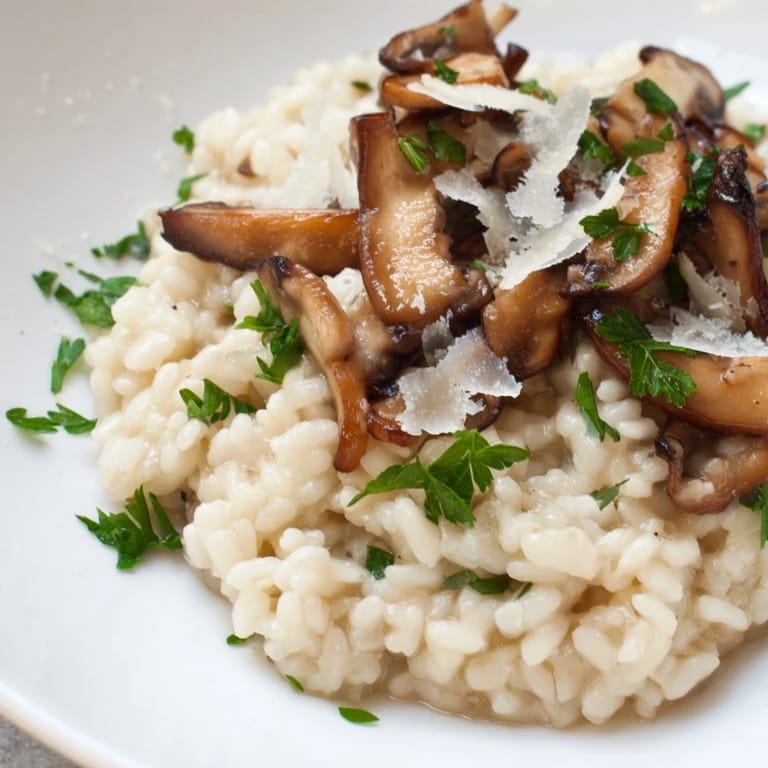
I made this for a dinner party where everything else fell apart—the appetizers didn't come together, the wine glasses weren't clean—but when I brought out these creamy, golden risotto bowls with those caramelized mushrooms scattered on top, the whole evening shifted. Everyone slowed down. They stopped reaching for their phones. And that's when I realized risotto isn't just about the rice; it's about creating a moment where people actually sit down together.
Ingredients
- Arborio Rice (1 ½ cups): This short-grain rice releases starch as it cooks, creating that signature creamy texture that's impossible to replicate with regular white rice—don't skip this step.
- Cremini or Button Mushrooms (12 oz): I always slice them fairly thick so they stay meaty and don't disappear into the rice, though you can mix varieties if you want more earthiness.
- Olive Oil and Butter: The combination gives you the fruity flavor of olive oil plus the richness of butter—use good quality if you can.
- Yellow Onion and Garlic: Finely chop the onion so it melts into the rice rather than appearing as chunks, and don't let the garlic brown or it turns bitter.
- Vegetable Broth (4 cups, kept warm): Cold broth will shock the rice and mess with the cooking time, so keep it simmering in a separate pot throughout.
- Dry White Wine (½ cup): This adds acidity and depth—if you don't drink wine, skip it rather than substituting something else.
- Parmesan Cheese (½ cup grated, plus extra): Add it at the very end so it doesn't break down and lose its nutty flavor in the heat.
- Salt and Black Pepper: Taste as you go since the broth usually carries some salt already.
Tired of Takeout? 🥡
Get 10 meals you can make faster than delivery arrives. Seriously.
One email. No spam. Unsubscribe anytime.
Instructions
- Prepare Your Mushrooms:
- Heat the olive oil and butter together over medium heat, then add your sliced mushrooms. Don't stir them constantly—let them sit for a minute or two so they get golden instead of steamed. You'll know they're ready when any liquid they released has evaporated and they smell deeply savory, about 6-8 minutes.
- Build the Aromatic Base:
- In the same pan, soften the onion until it becomes almost translucent, which takes about 3 minutes. Add the garlic and cook just until fragrant—this is usually only 1 minute, so don't walk away.
- Toast the Rice:
- Add your Arborio rice and stir it around for about 2 minutes. You're looking for the edges of each grain to turn slightly translucent while the center stays white—this toasting step helps the rice hold its shape and prevents mushiness.
- Add the Wine:
- Pour in the white wine and stir it in gently. The rice will absorb it fairly quickly, usually within a couple of minutes, and you'll smell the alcohol cooking off.
- The Long Stir:
- Here's where patience becomes your best tool. Add the warm broth one ladle at a time, stirring frequently and waiting until most of the liquid is absorbed before adding the next portion. This whole process takes 18-20 minutes, and yes, you need to be present for it—this is when risotto goes from good to extraordinary.
- Finish with Richness:
- When the rice is creamy and just tender (not soft or mushy), stir in the cooked mushrooms, the remaining butter, and the Parmesan cheese. Cook for 2 more minutes, then taste and adjust the salt and pepper—remember that the cheese and broth have already added saltiness.
- Serve Right Away:
- Risotto waits for no one, so have your bowls ready and get it to the table immediately, garnished with extra Parmesan and fresh parsley if you like.
 Save
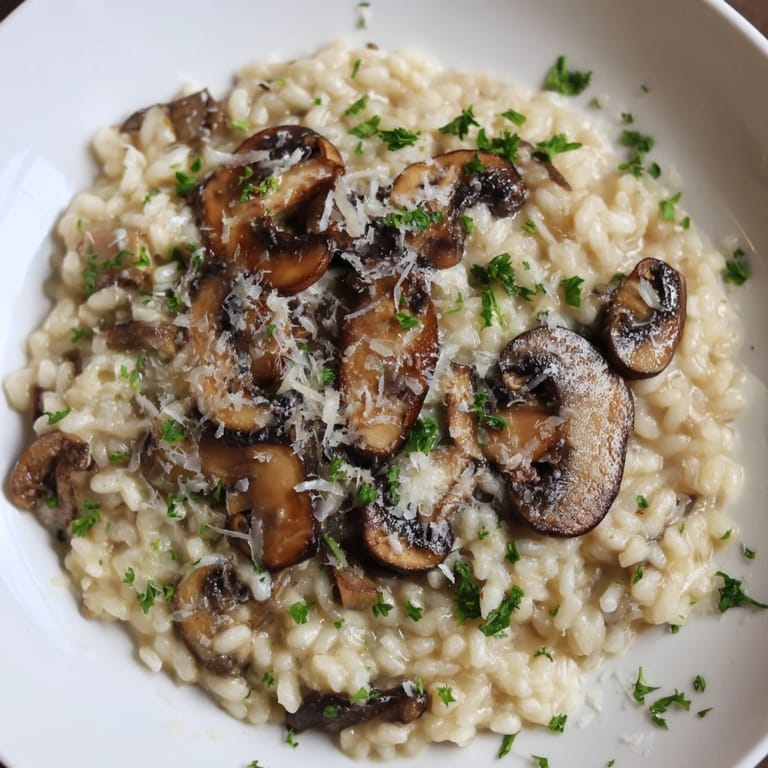
Save One Sunday afternoon, my daughter watched me make this risotto from start to finish, and by the time I was halfway through stirring, she asked if she could take over. We stood there together, passing the spoon back and forth, her asking questions about when it would be done, and me realizing that some of the best recipes are the ones that invite other people into the process instead of keeping them waiting on the sidelines.
Choosing Your Mushrooms
Cremini and button mushrooms are reliable and give you that classic earthy flavor, but I've started experimenting with mixtures—adding some dried porcini that I've rehydrated, or fresh oyster mushrooms for a different texture. The key is understanding that different mushrooms bring different things to the dish; creminis are about depth, oysters are about delicate texture, and porcinis add an almost meaty richness. Start with what's available at your market, and as you get comfortable, play around with different varieties to discover your own version of this dish.
Timing and Temperature
Medium heat is your friend here because too high and everything will cook too fast, leaving you with crunchy rice in a thin sauce instead of creamy risotto. Too low and you'll be stirring forever while the rice slowly gives up. The magic happens right in that middle zone where the liquid simmers gently and the rice gradually releases its starch at a pace you can actually manage. I used to think the 18-20 minute estimate was flexible, but I've learned that it's surprisingly consistent if your heat is steady.
Variations and Final Touches
This is a beautifully simple recipe, but it's also a foundation for experimentation. Some nights I add a handful of fresh spinach at the very end, stirring it in just before the cheese so it wilts into silky ribbons. Other times, I'll use broth infused with saffron for color and a delicate floral note. The important thing is that whatever you add should complement the mushrooms rather than compete with them.
- If you want to make this even richer, stir in a splash of heavy cream along with the butter and cheese at the end.
- Fresh thyme or sage added when you cook the mushrooms brings an herbal note that deepens the earthiness of the whole dish.
- Always taste and adjust the seasoning right before plating, since the flavors can shift slightly as everything comes together.
 Save
Save Risotto taught me that some dishes don't reward rushing, and that's not a flaw—it's the whole point. When you finally set down a steaming bowl and watch someone take that first spoonful, you'll understand why this humble rice dish has made its way into kitchens all over the world.
Common Questions
- → What type of rice is best for this dish?
Arborio rice is ideal due to its high starch content, which creates the creamy texture essential for authentic results.
- → How do I ensure the mushrooms are perfectly sautéed?
Cook mushrooms over medium heat until golden and most of their liquid evaporates, which intensifies their flavor and prevents sogginess.
- → Can I substitute the white wine in the dish?
Yes, a mild vegetable broth or an alcohol-free white wine can replace the white wine, keeping similar acidity and depth.
- → What is the key to achieving the right risotto texture?
Add warm broth gradually while stirring often, allowing each addition to be absorbed before the next, ensuring a creamy and tender finish.
- → How can I make the dish more flavorful?
Using a mix of wild mushrooms and fresh herbs like parsley enhances the earthy and aromatic qualities of the dish.