 Save
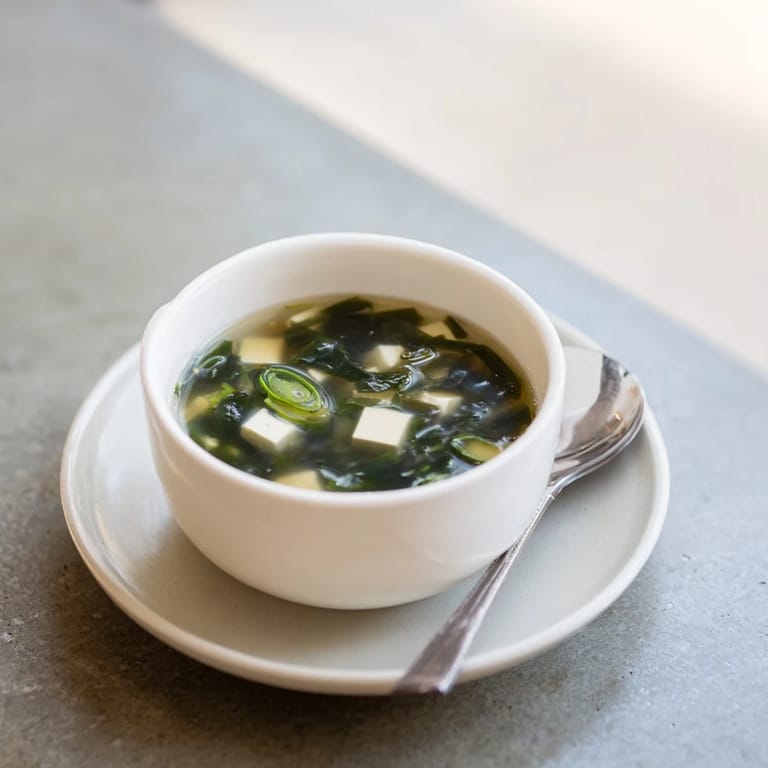
Save The steam rising from my first bowl of wakame soup at a tiny Tokyo ramen shop changed how I thought about broth entirely. The chef had slid it across the counter as a starter, this impossibly clear golden liquid with floating clouds of seaweed and tender tofu cubes. I watched him prepare it through the open kitchen, noting how gently he stirred the miso, never letting the broth reach a rolling boil. That quiet attention to detail made something so simple taste extraordinary.
Last winter my friend Mei came over exhausted from residency shifts and I made this soup for her. She took one sip and immediately asked for the recipe, saying it reminded her of her grandmothers kitchen in Osaka. We ended up sitting at my counter for hours, just talking over second bowls while the snow fell outside.
Ingredients
- Dried wakame seaweed: A little goes a long way since it expands dramatically when rehydrated
- Dashi stock: The foundation of Japanese cooking, use kombu and shiitake for vegetarian version
- Silken tofu: Creates those lovely delicate clouds floating in your broth
- White miso paste: Gentler and sweeter than red miso, perfect for light soups
- Soy sauce: Just enough to deepen the umami without overpowering
- Sesame oil: Optional but adds a beautiful nutty finish
- Scallions: Fresh green brightness to balance the savory broth
Tired of Takeout? 🥡
Get 10 meals you can make faster than delivery arrives. Seriously.
One email. No spam. Unsubscribe anytime.
Instructions
- Wake up the wakame:
- Place the dried seaweed in a small bowl and cover with cold water. Let it sit for about 5 minutes until it transforms from brittle to tender and expands to several times its original size.
- Gently warm the dashi:
- Pour your dashi stock into a medium saucepan and bring it to a gentle simmer over medium heat. You want it hot but never aggressively boiling.
- Add tofu and wakame:
- Carefully slide in your cubed tofu and the drained wakame. Let them warm through and become friends in the broth for about 2 to 3 minutes.
- Dissolve the miso:
- Remove a ladleful of hot broth and whisk in the miso paste until completely smooth. This prevents lumps and ensures even flavor distribution throughout the soup.
- Combine and season:
- Pour the miso mixture back into the main pot and stir gently. Add the soy sauce and sesame oil if using, then let everything heat through for one final minute.
- Serve with love:
- Ladle the hot soup into bowls and scatter fresh scallion slices across the top. Serve immediately while the steam still carries that wonderful seaweed aroma.
 Save
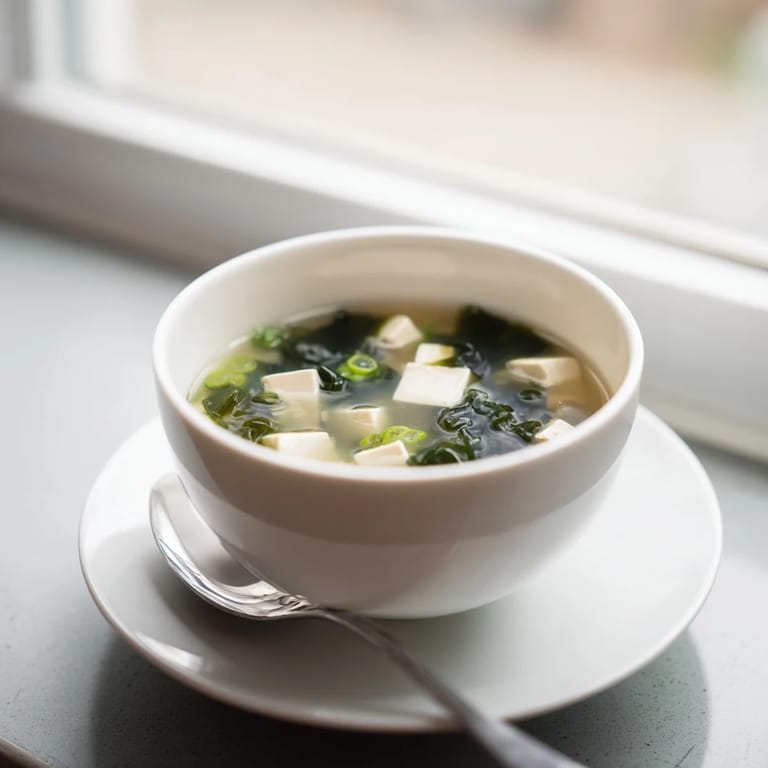
Save This soup has become my go to when anyone in my house is feeling under the weather. Something about that clear savory broth feels restorative in a way heavier meals cannot match.
Making It Your Own
The beauty of wakame soup lies in how adaptable it is to whatever you have in your refrigerator. I have added sliced mushrooms, baby spinach, even sweet corn kernels depending on my mood and what needs using up.
Getting The Broth Right
Homemade dashi makes a noticeable difference but high quality granular dashi works perfectly for weeknight cooking. The key is tasting as you go and adjusting the seasoning to your personal preference.
Perfect Pairings
While this soup shines on its own as a light starter, it becomes a complete meal with the right accompaniments. A bowl of steamed short grain rice and some simple pickles transform it into dinner.
- Pair with tempura vegetables for a restaurant style Japanese meal at home
- Add a soft boiled egg for extra protein and richness
- Leftovers keep beautifully in the fridge for two days though the tofu will firm up slightly
 Save
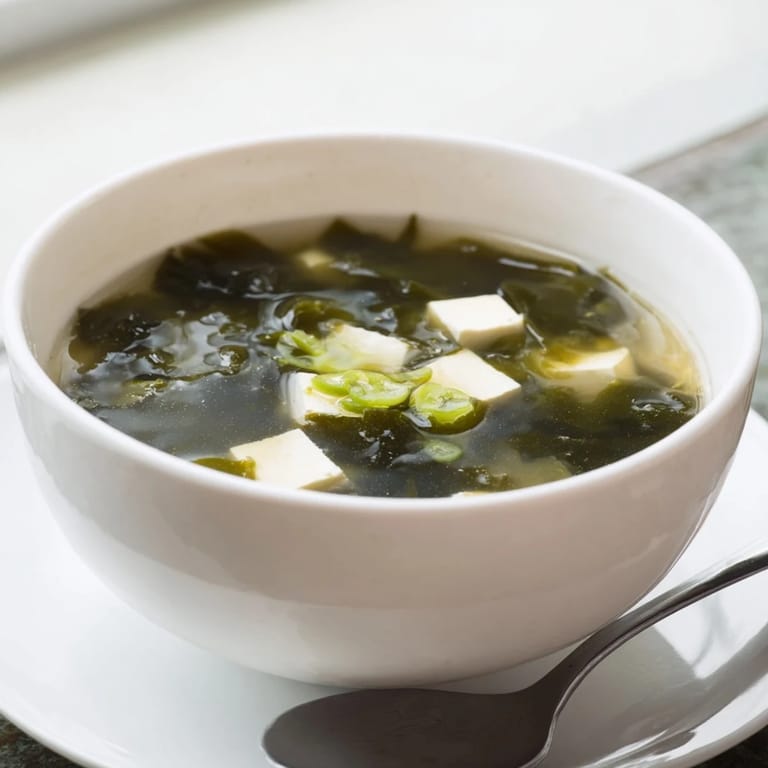
Save There is something deeply comforting about a bowl of soup that comes together so quickly yet nourishes so completely. Perfect for those nights when you need warmth without the fuss.
Common Questions
- → Is wakame soup healthy?
Yes, wakame seaweed is rich in iodine, minerals, and vitamins. Combined with tofu for protein and dashi for flavor, it's a nutritious, low-calorie option that supports thyroid health and provides essential nutrients.
- → Can I make this soup vegan?
Absolutely. Use kombu and shiitake mushroom dashi instead of fish-based dashi stock. Ensure your miso paste doesn't contain bonito flakes, and this becomes a completely plant-based dish.
- → Why shouldn't I boil miso paste?
Boiling miso paste destroys its beneficial probiotics and enzymes, while also making the flavor overly strong and salty. Always dissolve miso in hot broth separately, then stir it in at the end for the best taste and nutritional benefits.
- → What can I add to wakame soup?
Common additions include sliced mushrooms, spinach, carrots, or enoki mushrooms. Some people add cooked noodles like udon or soba for a heartier version. Keep additions simple to maintain the delicate broth flavor.
- → How long does wakame soup keep?
Store in an airtight container in the refrigerator for up to 2 days. Reheat gently without boiling to preserve the miso's benefits. The wakame will continue absorbing liquid, so you may need to add more dashi when reheating.
- → What's the difference between wakame and other seaweeds?
Wakame has a delicate, slightly sweet flavor and tender texture when rehydrated. Unlike nori which is crispy, or kombu which is thick and tough, wakame becomes silky and soft, making it perfect for soups and salads.