 Save
Save The winter solstice board came to life during a particularly grey December when I wanted to bring light to the table without heating the kitchen. My partner and I were standing in the produce section, and she pointed at honeycomb while I was drawn to the darkest figs I could find, and suddenly the whole idea clicked: a board that visually tells the story of the year's turning point. That night, arranging everything felt less like plating and more like painting—dark against light, sweet against savory, each element a small conversation between seasons.
Last year I made this for a solstice dinner with some neighbors I'd just met, and watching them sit down and just pause—really pause—to look at it before reaching for anything told me this board was special. One of them, who never talks much, spent ten minutes describing the balance of it, the way dark and light seemed to hold equal weight. That's when I realized the board was doing more than feeding people; it was creating a moment.
Ingredients
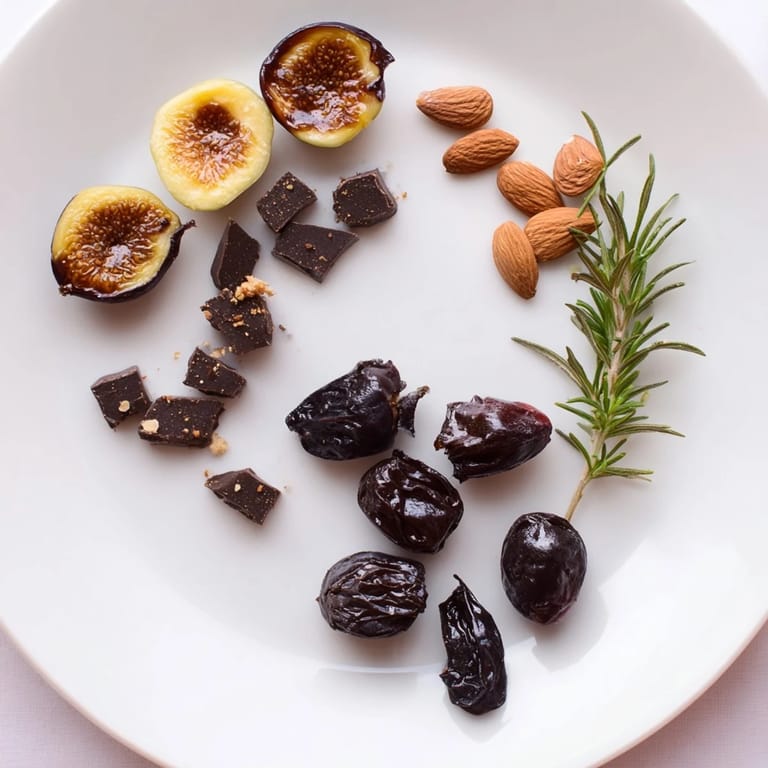
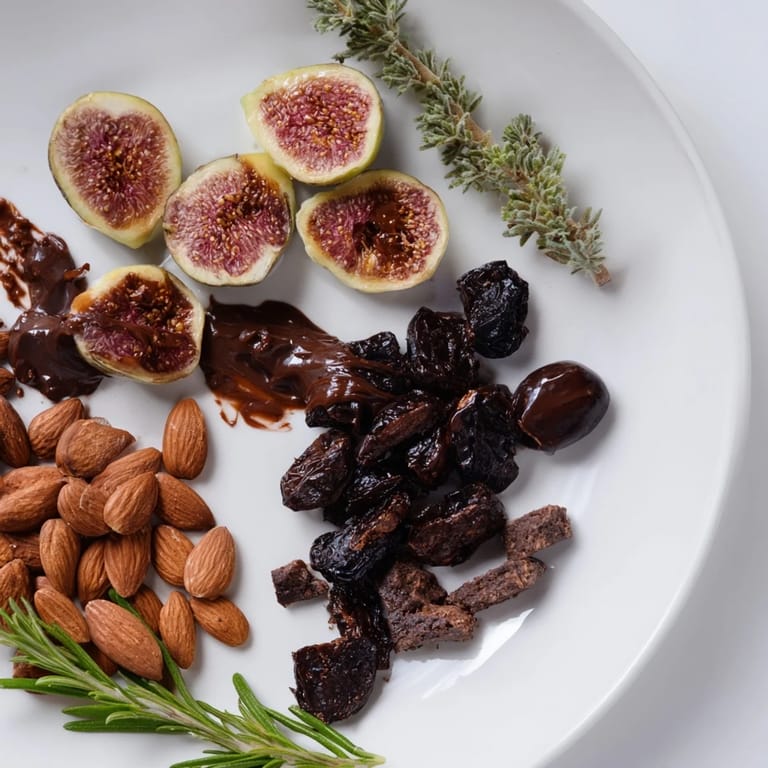
- Kalamata olives and oil-cured black olives (100 g each): These two varieties give you different depths of flavor and create visual richness; oil-cured ones are silkier while Kalamatas have more bite.
- Dried mission figs, halved (120 g): They're naturally sweet without being cloying, and their deep purple color anchors the dark side beautifully.
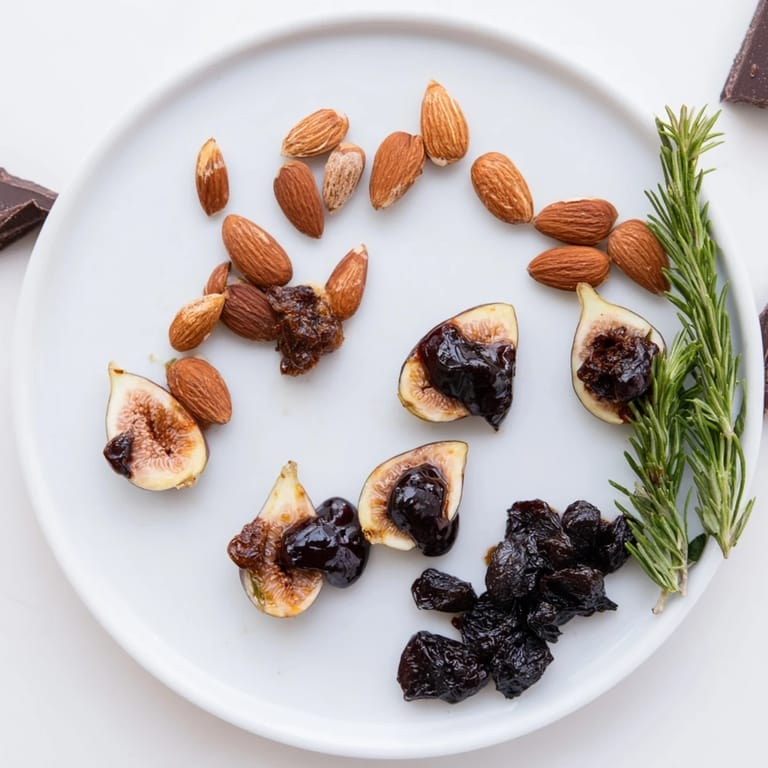
- Fig jam (2 tbsp): A small dollop acts as a bridge between the figs and the cheese, and guests love discovering it tucked on the board.
- Dark chocolate, broken into pieces (40 g): Don't skip this—the slight bitterness against the sweetness of figs creates an unexpected magic.
- Roasted almonds (60 g): The crunch and warmth of roasting make them feel more intentional than raw nuts.
- Fresh rosemary sprig (1): This garnish isn't just decoration; brush it lightly and its oils perfume the whole board.
- Ripe Brie cheese, wheel or wedge (200 g): Room temperature Brie is almost creamy enough to spread, which is exactly what you want on a winter's night.
- Ripe pears, thinly sliced (2): Slice them just before serving so they don't brown; the fragrance of fresh pears is part of the experience.
- Honeycomb or honey (60 g honeycomb or 2 tbsp honey): Honeycomb adds texture and a quiet luxury, but honey works just as well if you want simplicity.
- Toasted walnuts (40 g): Toasting brings out their earthiness and makes them taste less like an afterthought.
- Seedless green grapes (60 g): They're crisp, slightly juicy, and provide a refresh against all the richness.
- Fresh thyme bunch (1 small): Like rosemary, thyme's aroma becomes part of the board's presence.
- Baguette slices (1 small baguette, sliced): Slice it yourself rather than buying pre-sliced; you want some crust to hold everything together.
- Assorted crackers (100 g): Choose a mix of textures—some delicate, some hearty—so every bite feels intentional.
Tired of Takeout? 🥡
Get 10 meals you can make faster than delivery arrives. Seriously.
One email. No spam. Unsubscribe anytime.
Instructions
- Create Your Dividing Line:
- Start by finding the center of your board and place a line of fresh rosemary or a neat row of crackers straight down the middle. This isn't just functional; it visually separates the two halves and gives your eye a place to land.
- Build the Dark Side:
- Arrange the olives first, clustering them slightly so their shine catches the light, then nestle the figs around them like they belong together. Scatter the chocolate pieces so they peek through—don't hide them—and tuck the almonds into the empty pockets, then drizzle that fig jam directly onto the board so it bleeds slightly into everything around it.
- Build the Light Side:
- Place the Brie slightly off-center so it becomes a destination rather than just another element, and arrange pear slices in a gentle fan so their paleness glows. Scatter grapes like punctuation marks, position the walnuts to mirror the almonds on the opposite side, and finish with a generous drizzle of honey or a cluster of honeycomb on top of the Brie.
- Add Your Garnish:
- Place the rosemary sprig on the dark side and thyme on the light side, tucking them so they feel grown into the arrangement rather than placed on top. This final layer of green softens the entire board.
- Finish and Serve:
- Arrange baguette slices and extra crackers down the center or on the sides, and step back to admire your work before anyone touches it.
 Save
Save This board taught me that the most memorable meals aren't always the ones requiring hours in the kitchen—sometimes they're the ones that pause time and ask people to notice the beauty of what's in front of them. The solstice board does that every time.
The Story Behind the Balance
Winter solstice boards exist because humans have always needed to mark the turning of light and dark, and for centuries we've done it with food and gathering. This particular arrangement pulls from that impulse—the idea that on the longest night, we're not just eating; we're acknowledging the wheel turning. The dark side is rich and warming, meant to ground you, while the light side is delicate and bright, meant to remind you that spring is coming.
When to Make This
December twenty-first is the obvious answer, but honestly, this board works any time you want to create a visual pause in the room. I've made it for winter dinner parties, for quiet evenings with just family, and once for a small office gathering where it became the entire conversation. It's also brilliant when you're feeding a range of appetites—some people graze the savory side, others camp on the Brie, and everyone finds their balance.
Variations and Wine Pairings
This board is a foundation, not a rulebook, so adjust it based on what's in your market or what calls to you. I once swapped dried apricots for figs and added candied orange peel for brightness, and another time substituted Camembert for Brie and it felt entirely new. Pair the board with a dry sparkling wine for elegance, a light-bodied red like Pinot Noir for warmth, or even a crisp white if you want to highlight the pears.
- Try adding prosciutto to the dark side if you're not strict vegetarian—its salt and delicate funk elevate everything around it.
- Roquefort or a creamy goat cheese can replace Brie if you want more tang or a different texture story.
- If fresh pears aren't available, apple slices or dried apricots tell a similar visual and flavor story.
 Save
Save The beauty of this board is that it asks nothing from you except thoughtfulness in arrangement and a moment of pause before the eating begins. That's the real gift.