 Save
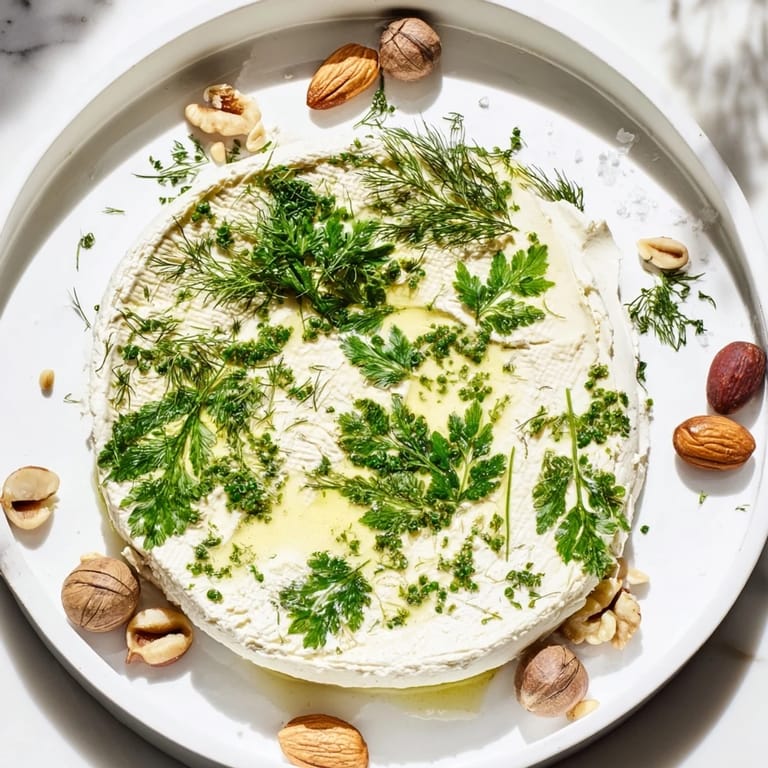
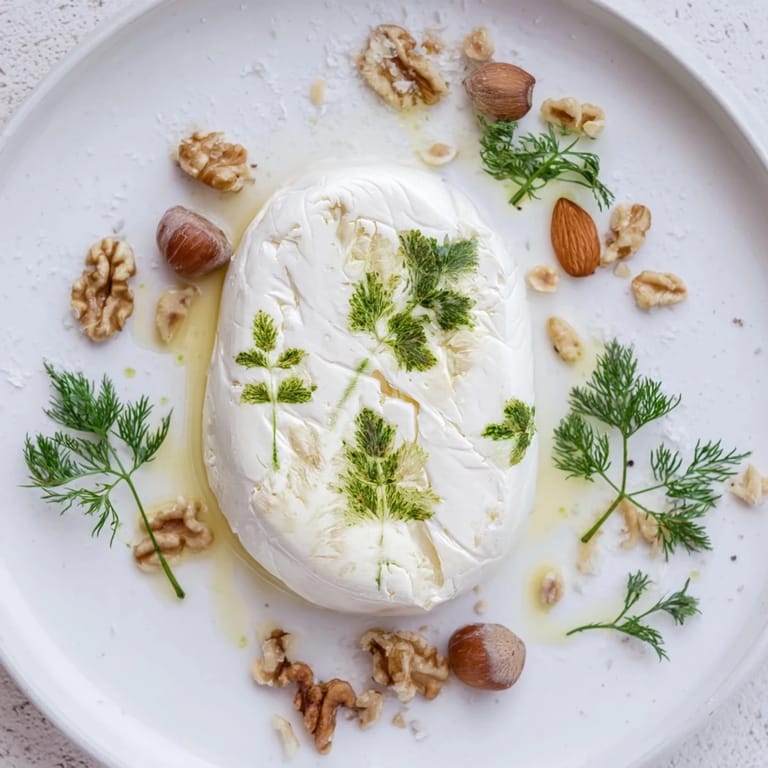
Save I stumbled onto this idea while reorganizing my kitchen and found a collection of pressed wildflowers tucked behind some cookbooks, which somehow led me to thinking about textures and impressions. That afternoon, I spread soft cheese on a plate like an artist preparing a canvas, pressed fresh herbs into it, and suddenly I had something that looked like it belonged in a museum rather than on a appetizer board. My guests stared at it for a full minute before anyone dared to taste it, which felt like the highest compliment.
The first time I served this was at a dinner where someone mentioned they worked in paleontology, which felt like the universe setting up a perfect punchline. I watched their face as they realized what they were looking at—a moment of delight followed by genuine laughter. That's when I knew this wasn't just a pretty appetizer; it was a conversation starter that actually tasted delicious.
Ingredients
- Soft cheese (250 g): Goat cheese brings tang, cream cheese adds richness, and ricotta offers a lighter touch—pick based on your mood and what you want the herbs to pop against.
- Fresh herbs (1 small bunch): Parsley, dill, cilantro, chervil, or any mix works beautifully; the key is that whatever you choose creates clear, detailed impressions in the cheese surface.
- Olive oil (1 tbsp, optional): A light brush gives the cheese a subtle sheen that makes the fossil imprints look even more pronounced, though it's entirely skippable if you prefer a matte finish.
- Assorted nuts (100 g): Whole nuts in their shells look more authentic and dramatic scattered around the cheese, but pre-cracked works just as well if you're short on time or nutcracker strength.
- Sea salt (1/2 tsp, optional): A gentle sprinkle at the end ties everything together and adds a whisper of brininess that balances the richness of the cheese.
Tired of Takeout? 🥡
Get 10 meals you can make faster than delivery arrives. Seriously.
One email. No spam. Unsubscribe anytime.
Instructions
- Prepare your canvas:
- Line a small tray or plate with parchment paper so your cheese creation slides off effortlessly when it's time to serve. This small step prevents sticky frustration and keeps your presentation pristine.
- Shape the cheese:
- Spread the soft cheese about 2 cm thick into a rough oval or round, smoothing the top gently with a spatula until the surface is even and inviting. The slight imperfections actually add to the ancient, geological feel of the piece.
- Create the fossils:
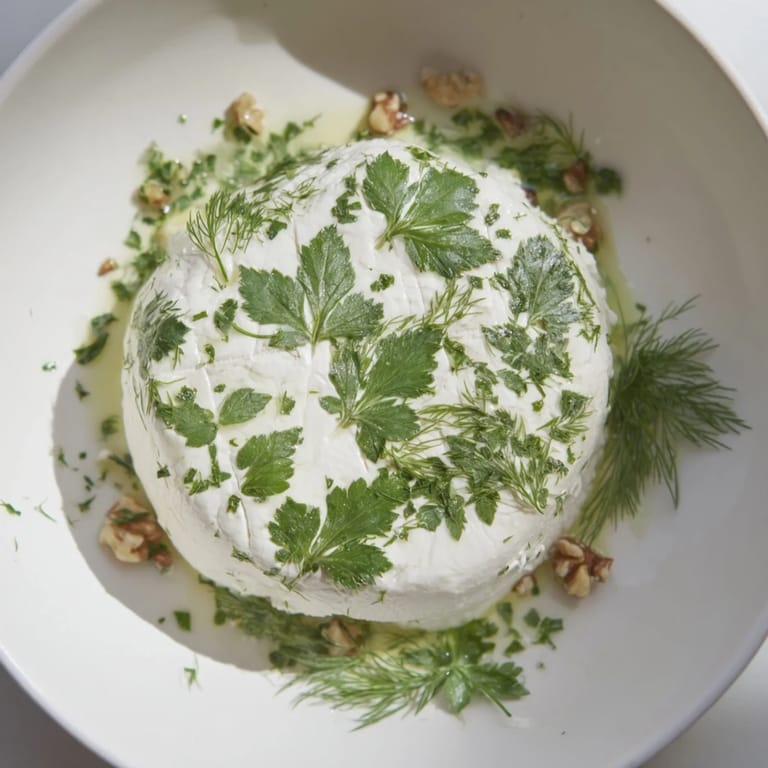
- This is where the magic happens—press fresh herb sprigs, leaves, or delicate fronds into the cheese surface with gentle but confident pressure, then carefully lift them away to reveal their detailed impressions. The slower you lift, the cleaner the imprint.
- Add shine (optional):
- Lightly brush the cheese surface with olive oil using a pastry brush or the back of a spoon, which catches the light and makes those herb fossils gleam like they've just been excavated.
- Arrange the landscape:
- Scatter cracked and whole nuts around the cheese, including some loose shell fragments, to create that sense of an active archaeological dig site. Distribute them unevenly—nature doesn't arrange things in perfect rows.
- Final touch:
- Sprinkle sea salt over the entire arrangement if you'd like, then step back and admire your work before serving immediately or refrigerating until guests arrive.
 Save
Save I realized the true power of this dish when someone who usually stays quiet at parties spent ten minutes examining the cheese with a magnifying glass they found in their bag, completely absorbed and smiling. Suddenly it wasn't just food anymore—it was an invitation to slow down and really look at what was in front of you.
Choosing Your Cheese
Each cheese brings its own character to this dish, and picking one is less about right and wrong and more about what story you want to tell. Goat cheese holds impressions beautifully and carries a pleasant tang that makes you want another bite, while cream cheese is familiar and forgiving, perfect if you're nervous about the herb-pressing technique. Ricotta sits somewhere gentle in between, slightly grainy and light, which can feel surprising and delightful to guests expecting something heavier. I've found that mixing two cheeses—say, a dollop of goat cheese in the center surrounded by cream cheese—creates visual interest and gives people a choice in what they taste.
The Herb Selection Game
Herbs are where you get to play and experiment without any real consequences since everything works. Flat-leaf parsley creates dramatic, fern-like impressions that look genuinely fossil-like, while dill adds a feathery, delicate quality that photographs beautifully. Cilantro brings unexpected geometry, and chervil is so fine and intricate it looks like something from a paleontology textbook. I once threw in a tiny sprig of tarragon on a whim, and it turned out to be my favorite texture of all—so don't feel locked into the obvious choices.
Serving and Storage Wisdom
This appetizer is best served within a few hours of making it, while the herb impressions are still crisp and defined and the cheese hasn't started to soften too much. If you need to make it ahead, press the herbs only an hour or two before guests arrive, or skip the herbs entirely and press them fresh just before serving. The nut arrangement stays beautiful for days if kept in an airtight container, and you can absolutely reassemble the whole plate from refrigerated components if timing feels tight.
- Serve with good crackers, rustic bread, or even thin slices of apple for a textural contrast that keeps people interested.
- Honey or fruit preserves on the side add a sweet counterpoint that feels elegant without being fussy.
- A crisp white wine like Sauvignon Blanc pairs so well that it feels like the appetizer was designed specifically for that moment.
 Save
Save This dish reminds me that some of the most memorable food doesn't come from hours of complexity but from genuine playfulness and paying attention to the details that make people stop and really see what's in front of them. Serve it and watch what happens.
Common Questions
- → What types of cheese work best for this dish?
Soft cheeses like goat cheese, cream cheese, or ricotta work well due to their smooth texture and mild flavor, ideal for imprinting herbs.
- → Can I use different herbs for the imprints?
Yes, herbs like parsley, dill, cilantro, or chervil create beautiful detailed imprints and add fresh, aromatic notes.
- → Are the nuts served raw or roasted?
The nuts can be served raw or lightly roasted, cracked to create a rustic look and add pleasant crunch.
- → How do I create the herb imprints on the cheese?
Press fresh herb sprigs gently into the cheese surface, then carefully lift them away to leave intricate patterns resembling fossils.
- → Is it necessary to refrigerate before serving?
Refrigeration helps the cheese firm up and flavors meld, but it can also be served immediately after preparation.
- → Can I substitute olive oil with another ingredient?
Olive oil adds a subtle sheen and richness, but alternatives like melted butter or a neutral oil can be used if preferred.