 Save
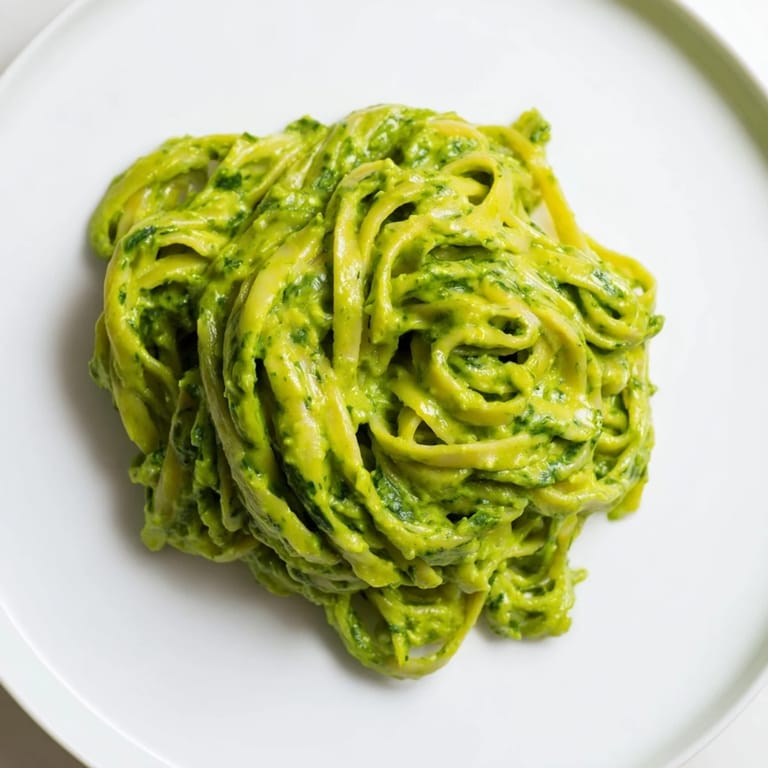
Save I discovered Green Goddess sauce entirely by accident one spring when I had a fridge full of herbs that were about to bolt. Rather than let them go to waste, I threw them into a blender with some yogurt and mayo, tossed it with pasta, and suddenly had something so vibrant and alive it felt like eating spring itself. The sauce was creamy but bright, herbaceous without being grassy, and it made me wonder why I'd never thought to turn Green Goddess salad dressing into a pasta sauce before. Now it's become my go-to when I want something that feels indulgent but tastes completely fresh.
I made this for a potluck once where everyone was bringing heavy, baked pasta dishes, and the moment I set down this bright green sauce with its herbaceous aroma, people gravitated toward it like it was the only thing that felt light and possible in that moment. Someone asked for the recipe right away, and when I explained it was basically Green Goddess dressing on pasta, they looked at me like I'd just invented something revolutionary. That's when I knew this wasn't just a happy accident—it was the kind of dish that deserves a permanent spot in the rotation.
Ingredients
- Baby spinach: Two cups packed tight gives you the volume of greens without overwhelming bitterness; the tender leaves blend into pure silk.
- Green cabbage: One cup chopped adds a subtle sweetness and textural depth that keeps the sauce from feeling one-dimensional.
- Fresh parsley: Half a cup is your green foundation—it's mild enough to be generous with but flavorful enough to anchor the whole sauce.
- Fresh basil: Another half cup brings that anise-like sweetness that makes everything taste like summer, even in January.
- Fresh chives: A quarter cup gives you onion flavor without the harshness, hitting notes that mayo and yogurt alone never could.
- Fresh tarragon: Optional, but if you have it, this quarter cup will make people ask what your secret ingredient is.
- Garlic: Two cloves minced—more than this and it overpowers, less and you lose the savory anchor.
- Green onions: Two chopped ones add a whisper of sulfurous brightness that ties everything together.
- Avocado: One small one, peeled and pitted, melts into the sauce and makes it silky without needing cream.
- Greek yogurt or sour cream: Half a cup is your creamy base; Greek yogurt keeps it protein-rich while sour cream makes it tangier.
- Mayonnaise: A quarter cup adds emulsifying power and richness that yogurt alone can't quite achieve.
- Parmesan cheese: A quarter cup grated brings umami and a slight sharpness that deepens everything.
- Lemon juice: Two tablespoons freshly squeezed—bottled changes the flavor profile entirely, so don't skip the real thing.
- White wine vinegar: One teaspoon adds the acid note that makes the sauce taste alive and prevents it from feeling heavy.
- Olive oil: A quarter cup helps emulsify and adds silkiness; use something you actually like drinking.
- Salt and black pepper: Start with a half teaspoon salt and a quarter teaspoon pepper, then taste as you go.
- Red pepper flakes: Optional, but a pinch wakes up the palate in the best way.
- Pasta: Twelve ounces of whatever shape you have—linguine, spaghetti, penne all work, though I prefer something with ridges to hold the sauce.
Tired of Takeout? 🥡
Get 10 meals you can make faster than delivery arrives. Seriously.
One email. No spam. Unsubscribe anytime.
Instructions
- Get the pasta going:
- Fill a large pot with salted water and bring it to a rolling boil—the water should taste like the sea. Add your pasta and stir occasionally so nothing sticks, cooking until it's just tender enough to bite but still has resistance in the center. Right before you drain it, scoop out a half cup of that starchy cooking water and set it aside; this liquid gold is what will make your sauce cling to every strand.
- Blender magic:
- While the pasta cooks, gather all your greens, herbs, and vegetables on the cutting board—baby spinach, cabbage, parsley, basil, chives, tarragon if you're using it, garlic, green onions, and avocado. Tumble everything into your blender along with the yogurt, mayo, Parmesan, lemon juice, vinegar, and olive oil, then add a pinch of salt and pepper.
- Blend until silky:
- Turn it on and let it run until the mixture transforms into a smooth, pourable sauce—this takes about a minute of continuous blending. Stop and scrape down the sides as you go, pushing the stubborn bits down toward the blades so everything gets incorporated evenly.
- Adjust with pasta water:
- If your sauce looks too thick, add the reserved pasta water one tablespoon at a time, blending between additions, until it reaches a consistency that will coat pasta without pooling heavily at the bottom. This is key—too thick and it clumps, too thin and it slides right off.
- Taste and season:
- Take a spoon, taste it straight, and decide what it needs: more salt for depth, more lemon for brightness, or a crack more pepper for snap. Go slow here because seasoning compounds as you add it.
- Marry sauce and pasta:
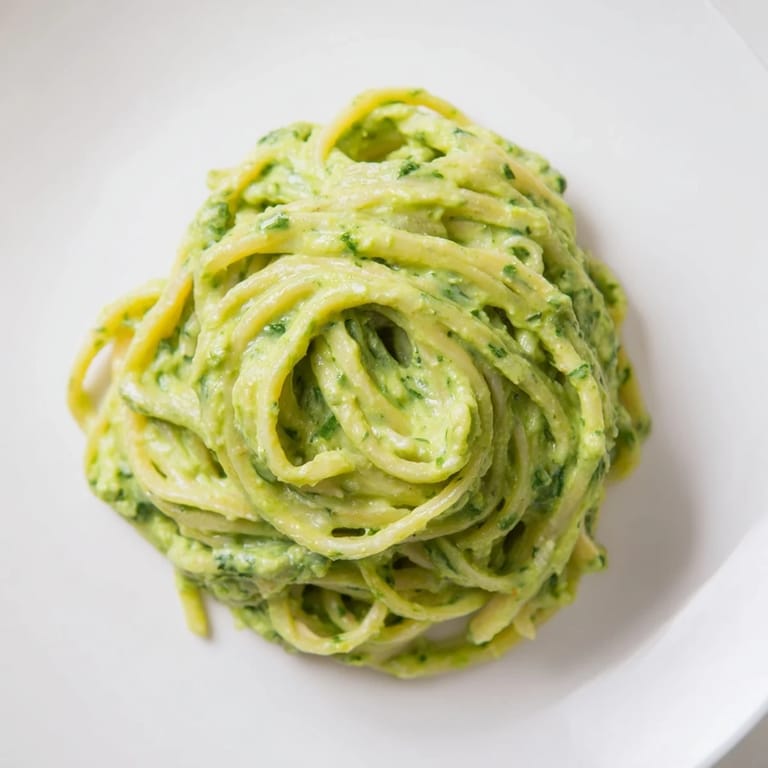
- Pour the hot drained pasta into a large bowl or back into the pot, then add all the green sauce and toss until every strand is coated in green. The heat of the pasta will warm the sauce through without cooking it, preserving that fresh, herbaceous taste.
- Serve right away:
- Divide it among bowls and top with more fresh herbs and a shower of Parmesan if you want to be fancy about it, then eat while it's still warm and the sauce clings beautifully.
 Save
Save There's a moment, right after you toss the hot pasta with that vivid green sauce, when the kitchen fills with this incredible herbal aroma—basil and parsley and tarragon all waking up from the warmth. That smell, more than anything else, is what makes me keep coming back to this dish. It's the taste of abundance without apology, of a kitchen that knows what it's doing.
Why Fresh Herbs Actually Matter Here
This sauce lives or dies by the quality of your herbs, so dried won't cut it—they'll give you a dusty, stale flavor that defeats the whole purpose. If your grocery store's herb selection looks sad and wilted, it's worth a trip to a farmers market or, honestly, growing a few pots on a windowsill. Fresh basil in particular has a completely different taste profile than dried, with floral and slightly peppery notes that make people actually notice what they're eating. I've made this sauce with subpar herbs once out of convenience, and it was fine but forgettable; with good ones, it's the kind of thing people call you about later.
Customizing for Your Crowd
The beauty of this sauce is that it bends to whatever dietary needs or preferences show up at your table. Skip the dairy entirely and swap Greek yogurt for cashew cream and mayo for olive oil-based vegan mayo, and you've got something that tastes nearly identical to anyone vegan in your life. Toss in a handful of toasted walnuts or pine nuts if you want richness and crunch, or leave the sauce as is if you prefer the clean, herbal simplicity. I've even served this cold the next day as a pasta salad, dressed with a little extra lemon and oil, and it becomes something completely different and equally delicious.
Storage and Make-Ahead Tips
You can make this sauce up to a day ahead and store it in an airtight container in the fridge—just give it a stir before using because the liquids will separate slightly. If you're prepping for a crowd, know that the sauce holds up beautifully whether you serve it warm or cold, making this an excellent option for potlucks or packed lunches. If you've made way too much sauce and find yourself with leftovers, it keeps for about three days and works just as well drizzled on roasted vegetables, dolloped on a baked potato, or even stirred into soup.
- Make the sauce first, then cook the pasta, so everything comes together at peak freshness with minimal wait time.
- If you don't have a food processor, a regular blender works perfectly—just work in batches if your blender is small.
- This sauce pairs beautifully with a crisp white wine like Sauvignon Blanc, which cuts through the richness and amplifies the herbal notes.
 Save
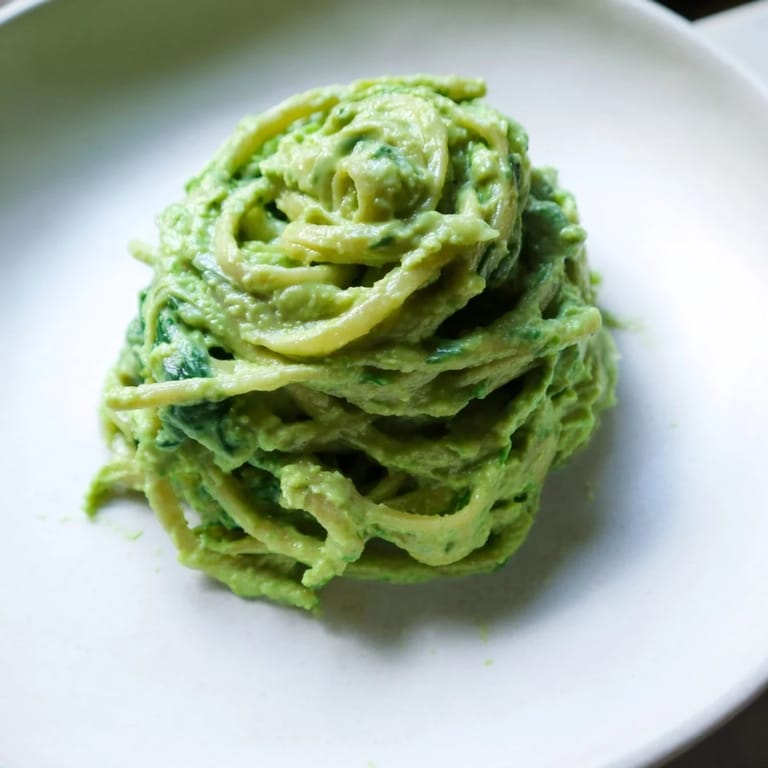
Save This pasta has become my answer to every occasion where I want to cook something that feels special but doesn't demand hours in the kitchen. It's the kind of dish that reminds you why eating real food, made with your own hands, is worth the small effort.
Common Questions
- → What greens are used for the sauce?
The sauce features baby spinach, green cabbage, parsley, basil, chives, and optional tarragon for herbaceous depth.
- → How is the sauce thickened and smoothed?
Greek yogurt, mayonnaise, and Parmesan create a creamy texture, while blending ensures a smooth, pourable consistency.
- → Can this sauce be made vegan?
Yes, by substituting dairy yogurt and mayonnaise with plant-based versions and omitting or replacing Parmesan with a vegan alternative.
- → How is the sauce adjusted for consistency?
Reserved pasta cooking water is added gradually to achieve the desired pourable texture for coating pasta evenly.
- → What pasta types work best with this sauce?
Long or short dried pasta like linguine, spaghetti, or penne pairs well, allowing the sauce to cling effectively.
- → Are there serving suggestions for this sauce?
It can be served warm or as a cold pasta salad and pairs nicely with crisp white wines such as Sauvignon Blanc.