 Save
Save The first time I arranged ingredients on tiered stands, I wasn't thinking about appetizers at all—I was just trying to fit everything on a crowded kitchen counter during a dinner party. My friend watched me stack bowls and small platforms, then smiled and said, 'That actually looks intentional.' By the end of the night, guests were gathered around that accidental display, picking and dipping without stopping, and I realized that sometimes the most impressive dishes are the ones that feel effortless and alive, like a garden you can eat from.
I made this for my sister's birthday last spring when she was between jobs and needed a mood lift. She showed up exhausted, and I'd arranged everything with colors that felt almost cheerful—the pink strawberries, the orange carrots catching afternoon light, goat cheese dotted like little clouds. Watching her face shift from tired to curious, then actually relaxed as she grazed and laughed with other guests, I understood that sometimes food is really just an excuse to gather people around something beautiful.
Ingredients
- Cherry tomatoes: Halve them to expose the inside and catch light beautifully; they're sweet and tart at once, so pick ones that smell slightly herbal at the stem.
- Baby carrots: Keep them whole with a bit of green attached if possible—they'll look more alive and taste sweeter than peeled versions.
- Cucumber slices: Cut them thin enough to see light through them, and leave some skin on for color and texture contrast.
- Radishes: Slice paper-thin on a mandoline if you have one; they'll be peppery and crisp, not harsh.
- Snap peas: Buy them already perfect and don't fuss with them—they're meant to be eaten whole and quickly.
- Endive leaves: These are your edible spoons and structure; their slight bitterness keeps everything from feeling one-note.
- Seedless grapes: Mix red and green if you can; they bring sweetness and visual rhythm to the arrangement.
- Strawberries: Hull them just before assembling so they stay bright and don't weep into the other ingredients.
- Goat cheese: Roll room-temperature cheese into balls between your palms—it's easier than you think and feels intentional on the plate.
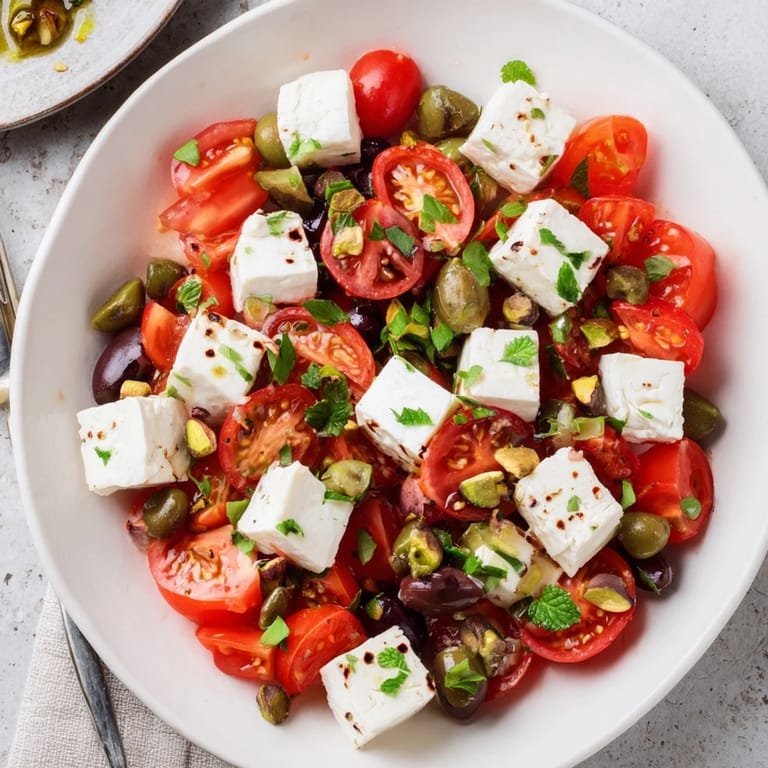
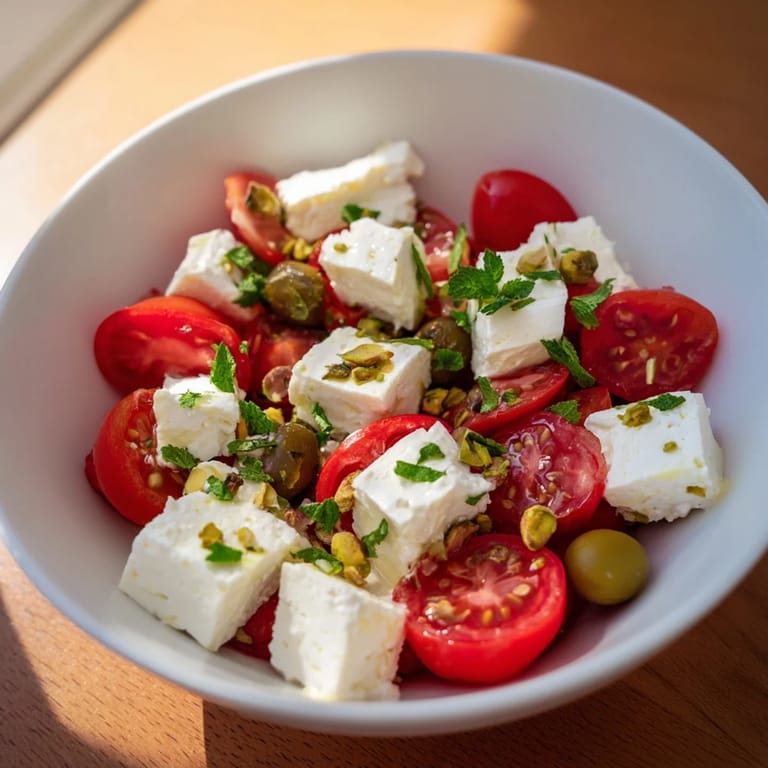
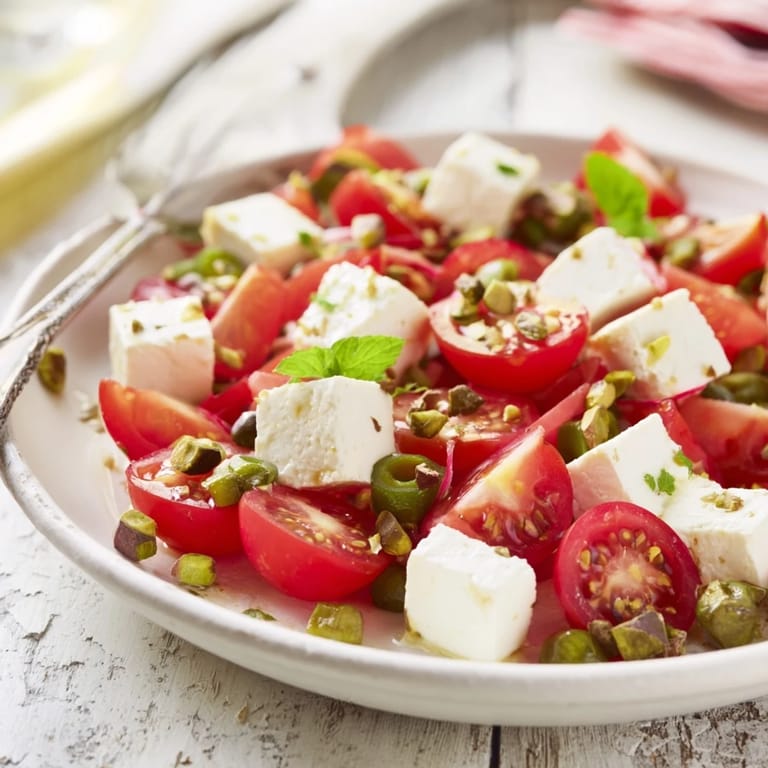
- Feta: Cut into cubes that feel substantial enough to eat alone with a grape or tomato.
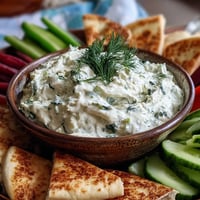
- Hummus, tzatziki, pesto: These are your anchors; they give people permission to dip and play instead of just standing and snacking awkwardly.
- Toasted pistachios: Toast them yourself if you can; store-bought are fine, but a quick dry pan brings out something nuttier and warmer.
- Fresh basil: Tear it gently by hand rather than cutting it; whole leaves look more generous scattered across the display.
- Edible flowers: Pansies, violas, and nasturtiums work beautifully and aren't as precious as they sound—check farmers' markets.
- Olive oil and seasoning: The final drizzle of good oil and a grind of pepper make the difference between 'nice platter' and 'restaurant moment.'
Tired of Takeout? 🥡
Get 10 meals you can make faster than delivery arrives. Seriously.
One email. No spam. Unsubscribe anytime.
Instructions
- Wash and prepare everything:
- Rinse your vegetables gently, pat them dry—water will make the display look tired—and trim as you go. This takes patience but pays off when the colors stay vibrant.
- Shape and cube the cheeses:
- Goat cheese should be at room temperature, almost soft, so your hands warm it slightly and the balls stay tender. Feta can be cubed ahead of time and chilled, so it stays clean and doesn't crumble all over your hands.
- Arrange your platforms:
- Use whatever you have—small bowls, a tiered cake stand, a cutting board propped on an overturned cup. Vary the heights so your eye travels around the display like you're walking through an actual garden.
- Build the garden:
- Start by placing the tallest, most visually striking ingredients—those basil leaves, maybe some endive standing upright. Then distribute colors across the stands so no single spot feels crowded or boring; let things overflow naturally and cascade down a bit.
- Nestle in the dips:
- Fill three small bowls with your dips, and tuck them into the arrangement as if they're part of the landscape. People will find them without instruction.
- Add the flourishes:
- Scatter toasted pistachios, torn basil, and edible flowers last, right before guests arrive. They'll make everything feel finished and surprising.
- Final seasoning and serve:
- Drizzle with a thread of olive oil, season lightly with salt and pepper, then step back and let people eat as they talk—no plating ceremony, no awkward serving vessels.
 Save
Save What struck me most after that first time was that no one asked me for the recipe—they asked me for the memory of how they felt standing there, picking and talking and forgetting to be self-conscious about eating. That's when I realized this arrangement isn't really about the ingredients at all.
Why Tiered Heights Matter More Than You Think
A flat platter is easy to build and boring to look at. Tiered arrangements create natural sightlines that draw people in and make them want to reach for something they might have missed. It's also practical—ingredients on different levels don't crush each other, and small spaces on a board feel intentional rather than sparse. The visual drama does half the work of hospitality for you.
The Art of Letting Guests Graze
There's something almost magical about watching people stop being formal around food when they can pick at will instead of being served. This setup transforms appetizer hour from 'take a small plate and mingle awkwardly' into actual conversation and discovery. You'll notice people linger longer, try combinations they wouldn't normally order, and genuinely enjoy themselves instead of just eating because food is there.
Seasonal Swaps and Personal Touches
The beauty of this arrangement is that it's a framework, not a strict formula. In summer, add ripe stone fruits and fresh mint; in fall, roasted grapes and toasted walnuts transform the vibe completely. You can layer in prosciutto or smoked salmon without changing a single step, or add roasted chickpeas for crunch and depth. The bones of the arrangement stay the same—height, color, variety—while the details shift with what your market has and who you're serving.
- Swap seasonal vegetables without hesitation; let spring asparagus or winter roasted beets take the place of lighter options.
- Add proteins like cured meats or smoked fish tucked between vegetables for visual interest and substance.
- Change your dips entirely—try muhammara, romesco, or a bright herb yogurt instead of the classics.
 Save
Save Some of my best dinner parties have been built around this one simple idea—gathering people around something fresh and alive, where everyone gets to decide what matters to them. That's all you really need.
Common Questions
- → What are the main ingredients for the Hanging Gardens appetizer?
Fresh vegetables like cherry tomatoes, baby carrots, cucumber slices, radishes, snap peas, and endive leaves, combined with seedless grapes, strawberries, goat cheese balls, and feta cubes.
- → How are the ingredients presented in this dish?
The ingredients are artfully arranged on tiered mini-stands and bowls, creating a vibrant garden-like display that highlights color and texture.
- → Are there any dips included in the arrangement?
Yes, small bowls of hummus, tzatziki, and pesto are placed among the ingredients to complement the fresh produce and cheeses.
- → Can this dish accommodate dietary restrictions?
It is vegetarian and gluten-free by default. Adjustments can be made for other diets by swapping or omitting certain items.
- → What garnishes enhance the presentation and flavor?
Toasted pistachios, fresh basil leaves, edible flowers, extra virgin olive oil, sea salt, and freshly ground black pepper add flavor and visual appeal.
- → What tools are needed to assemble this arrangement?
Mini-stands or tiered trays, small serving bowls, a large platter or board, a sharp knife, and small spoons for dips.